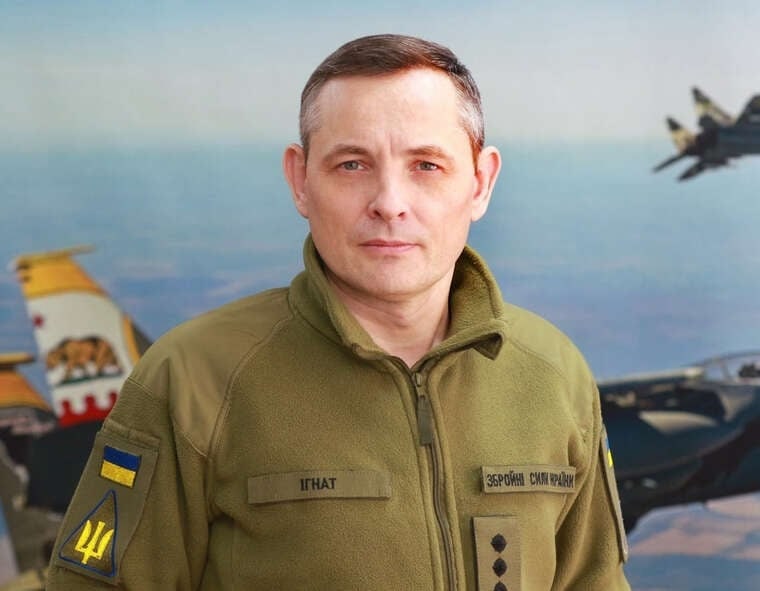
Air Force spokesperson reports hack on 'Air Alert' app
Yuriy Ignat explained that the spread of false data regarding the Oreshnik missile and radiation is linked to a likely interference with the mobile app's operation.
Yuriy Ignat explained that the spread of false data regarding the Oreshnik missile and radiation is linked to a likely interference with the mobile app's operation.
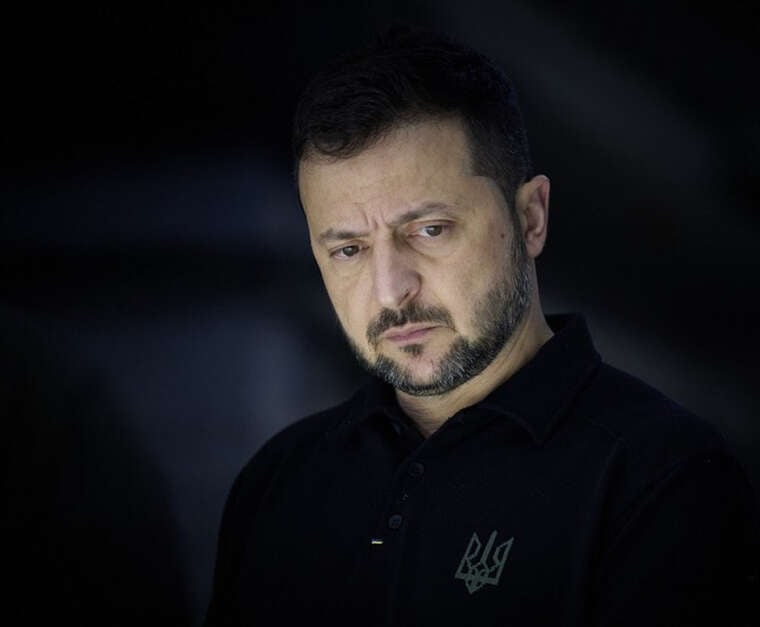
Ukrainian President criticised Moscow's initiatives regarding non-aggression guarantees, calling Russia an aggressor and emphasising the priority of ending hostilities.
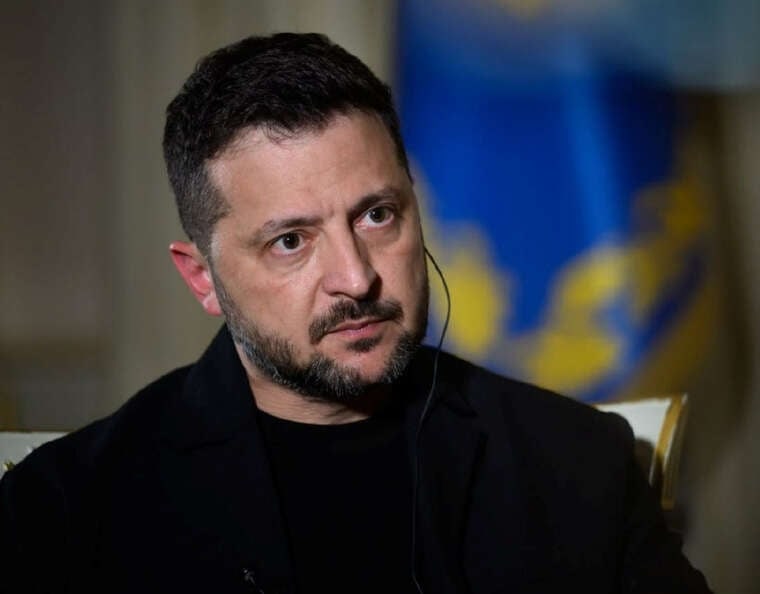
Ukrainian president stated that no official letter from Washington has been received yet, although Donald Trump previously did not rule out Kyiv's participation in the event.

Analysis of Vladyslav Andronov's declarations revealed his use of his ex-wife's property, an unfinished house in Plyuty, and possible involvement in a privatisation case.

The Kyiv City State Administration assured that the digital service and the capital's outdoor alert network are operating in normal mode and will transmit air raid alerts.
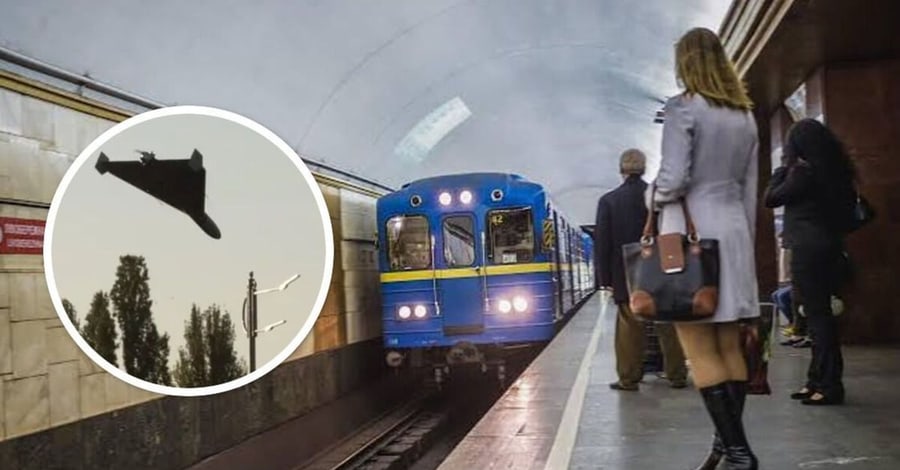
Russian drones attacked Kyiv region on the night of 2 November 2026, damaging infrastructure and injuring one person. In Kyiv, metro and electric transport operations were temporarily restricted due to power supply issues.

The Ground Forces command representation confirmed that the blogger, detained by TCC and police officers, was mobilised after undergoing a medical board.
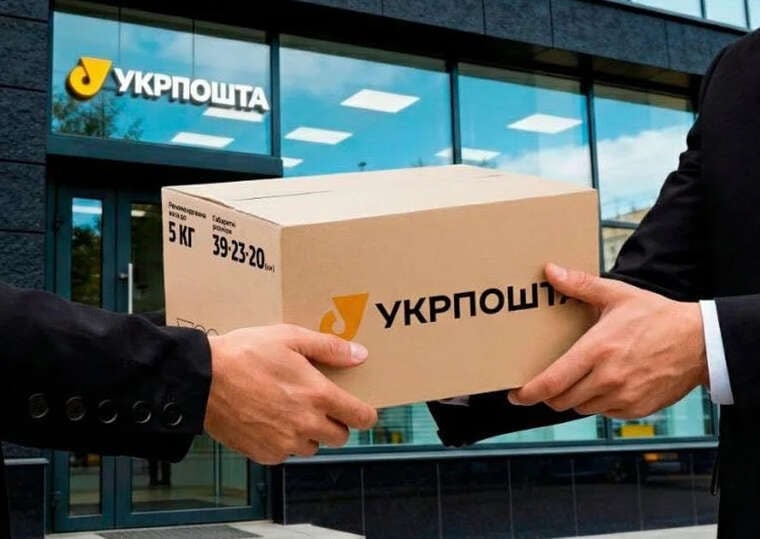
The price difference between the winner and its competitor was just 10 hryvnias. Over five years, the company received orders from the state enterprise worth 33.7 million hryvnias.
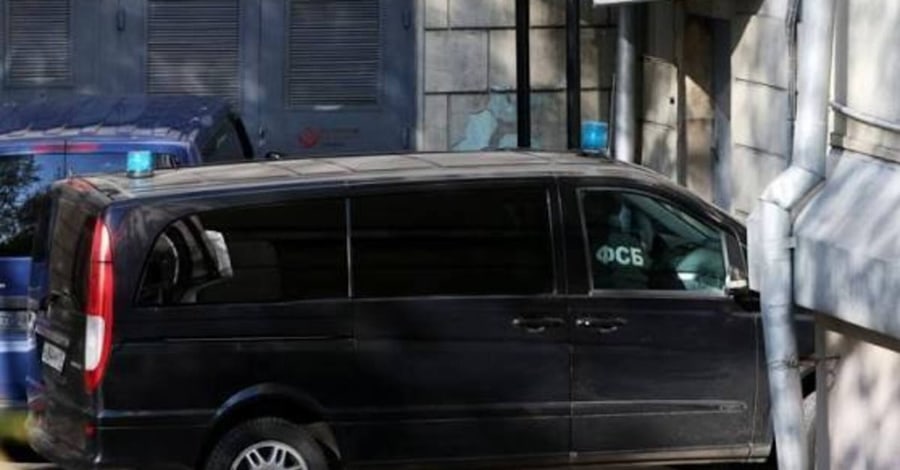
On 2 November, the Russian FSB issued a statement regarding the discovery of FPV goggles allegedly containing hidden explosive devices. According to the agency's version, the equipment was intended for Russian military personnel at the front line, and the explosion was supposed to occur at the moment the device was switched on, when the operator began controlling the unmanned aerial vehicle.
The special service asserts that the rigged elements replaced standard components of the cooling system in the goggles. Drone operators use such equipment to view video streams from cameras in real time. In other words, according to Russian officials, the devices were supposed to explode when the goggles were switched on, while military personnel would be using them to control unmanned aerial vehicles.
The agency reported that the first suspicious devices appeared in the Volgograd region. A local volunteer handed two pairs of goggles to a Russian soldier, who was supposed to send them to the front. However, acting on the instructions of military counterintelligence, the soldier handed the equipment over to FSB officers.
Russian RBC notes that experts used X-ray examination to check the bodies, which allowed them to detect foreign objects. Later, the FSB announced the seizure of a similar batch in other regions, adding that the goggles were sent via the postal operator "Pochta Rossii" (Russian Post). Meanwhile, the total number of units seized and independent expert results have not been published.
According to the Russian special service, the initiators of the operation used anonymous Telegram accounts to communicate with volunteer organisations and charitable foundations. The unknown individuals presented themselves as supporters of the Russian army and offered to transfer equipment to the military for free.
The senders, as the FSB claims, did not disclose personal data, phone numbers, or places of work. They also refused to switch to communication via the Max messenger. Another condition for transferring the equipment was receiving video recordings with thanks from military personnel. Presumably, such recordings could serve as confirmation that the goggles had indeed reached military units. The Russian side has not provided documentary evidence of this.
The Investigative Department of the FSB Directorate in the Volgograd region opened a criminal case under articles related to the illegal circulation of explosives, their manufacture, and the preparation of a terrorist act. The special service announced a search for individuals it considers involved in sending the rigged goggles, but the names of the suspects or information about arrests have not been disclosed.
Information about the incident was disseminated primarily by Russian state media, including TASS, RIA, and "Interfax". The independent publication "Mediazona" also mentioned the FSB's statement but emphasised that it refers only to the special service's claims, not to an established fact. There are currently no independent technical expert examinations confirming the presence of functional explosive devices.
Ukrainian special services, including the SBU and the HUR, have not published a confirmed reaction to these accusations as of the time of publication.
Recall that earlier StopKor reported a strike by "Flamingo" missiles on the "Titan-Barricades" plant in Volgograd, which manufactures launchers for the "Iskander-M", "Topol-M", and "Yars" missile systems.
Comments
No comments yet. Be the first!