Short-term euphoric spike
Yesterday, financial markets demonstrated significant optimism. After the Democrats gained control of both chambers of the US Congress, the Dow Jones index rose by nearly 3%, while the S&P 500 increased by 1.6%. The price of Brent crude oil fell to approximately $94 a barrel, despite exceeding $117 the previous week. Cryptocurrencies also experienced positive momentum: Bitcoin returned to a level above $80,000, with its price temporarily reaching $81,000.
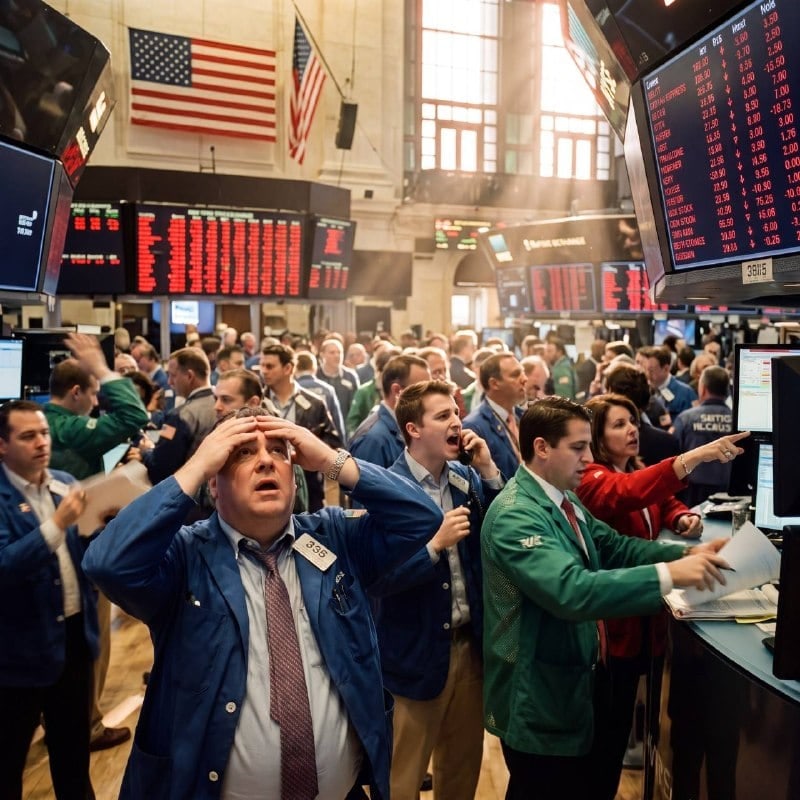
However, the situation has changed today. Bitcoin reversed downwards, and the overall market moved into negative territory. The euphoria that prevailed after the elections proved to be short-lived. This is only the beginning.
Geopolitical challenges remain relevant
The main issue is not who won the parliamentary race, but the fact that fundamental market risks have not only failed to disappear but have intensified. The conflict with Iran is not exhausted. According to analysts' estimates, the parties are still far from reaching an agreement. Risks associated with the Strait of Hormuz and oil supplies remain high. During the escalation of the conflict, the world consumed a significant portion of its oil reserves.
The market is reacting not to the actual resolution of the problem, but to the hope that the situation will improve. These are fundamentally different things, and illusory optimism can become a trap for investors.
Regulatory pressure on the artificial intelligence sector
The second important factor is the artificial intelligence sector. Just a week ago, market discussions were dominated by the question of how many trillions of dollars need to be invested to generate real revenue. The situation is complicated by the fact that the majority in Congress now lies with those who intend to implement strict regulation of this industry.
The market reaction was immediate: Nvidia shares fell by 3.2% yesterday specifically due to concerns about increased regulatory pressure.
Political deadlock and US financial risks
The most significant risk is becoming so-called "gridlock" — a political stalemate. Since the White House and Congress are now controlled by different forces, every important decision regarding the budget, national debt, debt ceiling, taxes, and spending will turn into a struggle.
Problems with the US national debt, budget deficit, and the cost of servicing it have not gone anywhere. The market has simply decided to forget about them for the time being. Before the elections, risk factors included an overheated AI sector, expensive money, a giant national debt, the conflict with Iran, high oil prices, and general geopolitical tension.
Now, this list has been joined by divided government, the risk of a two-year political war, new big tech regulation, and pressure on data centres. The key question for investors is: who will be able to implement an economic programme and support the markets if the administration and parliament are in confrontation?
Cryptocurrencies and legislative uncertainty
The positive momentum of cryptocurrencies yesterday looked strange given the political situation. It was the Democrats who were the main opponents of the Clarity Act. In September, this bill failed in the Senate with a result of 49 votes against 50. Today, the price of Bitcoin is already showing a decline.
Conclusion: the illusion of safety
The main market trap lies not in the growth of assets, but in the false feeling that all problems have disappeared after the elections. In reality, the situation has only become more complicated. Economic indicators and debt obligations cannot be resolved by media headlines alone. You cannot pay off debt with a headline.







Comments
No comments yet. Be the first!