
Verkhovna Rada approves expansion of EU languages' rights in education
Parliament supported a bill expanding the rights of Hungarian and other EU languages in the education sector.
Parliament supported a bill expanding the rights of Hungarian and other EU languages in the education sector.

Investigation established that the city councillor controlled the production and supply of over 260,000 non-compliant heating devices for border guards worth 5.4 million UAH.

The BEB established that between 2022 and 2023, fictitious methanol supplies were processed through "transit" companies in the Poltava region. The budget lost over UAH 5 million in tax revenue.
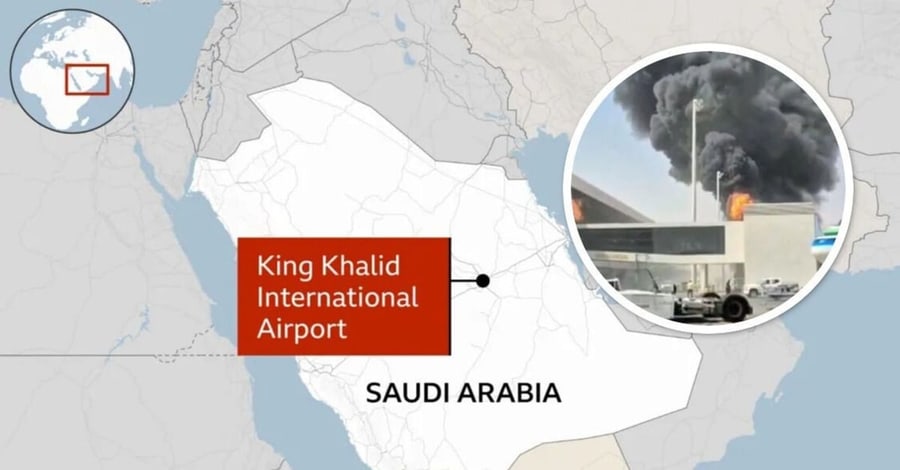
Houthis have taken responsibility for a series of missile strikes on the airport in the Saudi capital, resulting in deaths and disruptions to the international hub.
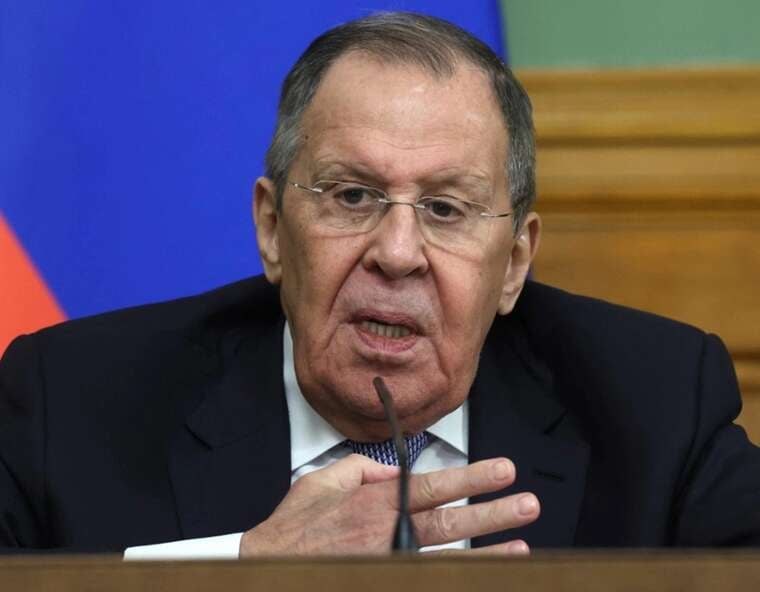
Russian Foreign Minister Sergey Lavrov stated that Moscow will not give Ukraine a breather on the battlefield, citing that it will not be swayed by the Ukrainian leader's assurances.

In October 2026, reaching the age of 50 is not an automatic ground for exemption from conscription, although the law provides a list of social and medical circumstances for obtaining a deferment.
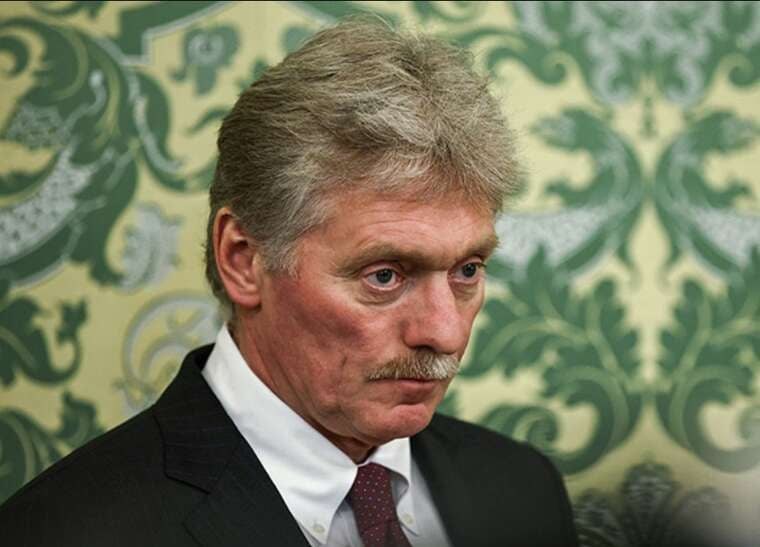
Kremlin spokesman explained why Russia does not agree to the two-month ceasefire proposed by Zelensky, limiting the possibility of a pause to voting day only.
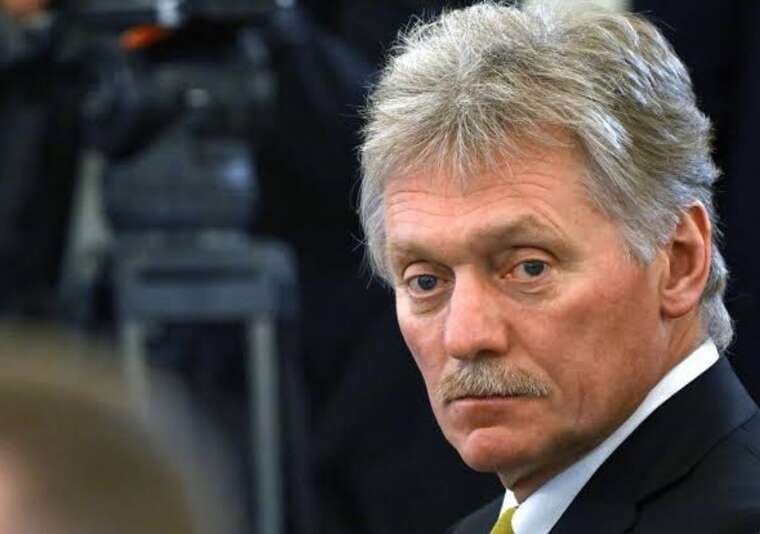
Russian officials rejected Volodymyr Zelensky's proposal for a 60-day ceasefire, stating the priority is creating a long-term peace.
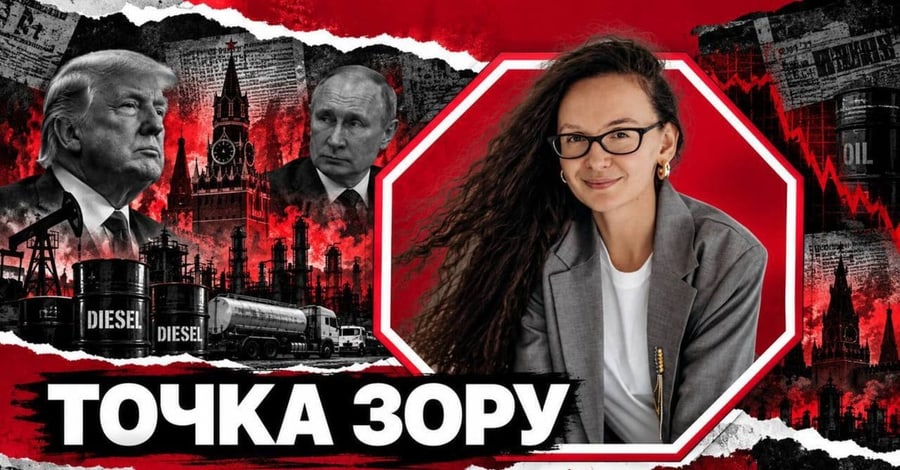
US President Donald Trump is once again putting forward initiatives aimed at stopping the fighting, including discussing energy security with Russian leader Vladimir Putin. Washington is trying to persuade Kyiv to cease attacks on Russian oil processing facilities. Meanwhile, Russian troops continue to shell Ukrainian cities, and the issue of easing sanctions on the Russian energy sector is gaining urgency again. The question arises: what lies behind the proposal for an "energy ceasefire" — a genuine desire to stop the war, an attempt to level out oil prices, or the pursuit of broader economic interests?
On 11 October, Donald Trump announced an alleged agreement reached between Ukraine and Russia to stop strikes on energy infrastructure. For Ukrainians preparing for the winter period and fearing power outages, such news might have sounded like a relief. However, there is a significant problem: Volodymyr Zelensky stated that the US President's announcement came as a surprise to him.
Kyiv emphasises its readiness for a mutual cessation of attacks but stresses the need for Moscow to honour its commitments. Despite the announced agreement, reports of Russian strikes on Ukrainian infrastructure have not stopped. This creates a dissonance: if the deal already exists, why does its implementation remain in question? It appears that for Washington, the priority is quickly announcing a diplomatic success, whereas for Ukraine, real security guarantees are critically important.
To understand the motives of the parties, it is worth assessing the situation with Russian oil infrastructure. Strikes on oil refineries are one of the key tools for inflicting damage on the Russian war economy. According to Reuters, between August and October 2025, Ukrainian forces carried out approximately 58 attacks on at least 17 major Russian refineries. At peak times, the unavailability of processing capacity due to damage and repairs reached approximately 20%.
Although this did not mean a loss of a fifth of total production (some capacity was compensated), Russia is forced to spend significant resources on protecting facilities, repairing equipment, and fuel logistics. The strikes create risks for the supply of petroleum products to the army. Against this backdrop, proposals to stop the attacks are emerging. According to Axios, the US side was considering such a step as a stage of a broader energy ceasefire.
For Moscow, this is a beneficial scenario: a pause allows it to focus on restoring processing. For Ukraine, however, this could be a dangerous imbalance if Ukrainian drones stop attacking Russian factories while Russian missiles continue to target our power plants.
There is another important aspect — energy prices. Due to instability in the Middle East and supply problems, American consumers are facing rising fuel costs. For the Trump administration, this is a serious domestic political issue, especially ahead of the Congressional elections.
Against this backdrop, reports are emerging of possible agreements regarding Russian diesel and the easing of certain sanctions. The pragmatic explanation is that additional volumes of fuel could help stabilise the market. However, analysts note that even large supplies of Russian diesel do not necessarily significantly affect global prices, as the market problems are more extensive. Instead, the political effect could be significant: easing pressure on Russian energy exports could increase Kremlin revenues, undermining the effectiveness of the sanctions mechanism designed to limit war funding.
Donald Trump has always positioned himself as a proponent of big deals. When it comes to war and the resources of an aggressor state, the line between diplomacy and business requires attention. The media discussed contacts between American and Russian representatives regarding the future of the "North Streams," including the possible participation of American investors in their restoration.
Currently, this does not mean the existence of a ready deal, the implementation of which depends on sanctions, the position of European countries, and the technical condition of the infrastructure. But the very idea of European energy links with the participation of American capital deserves public discussion. Could future agreements be beneficial to business circles close to the US administration, or even to the President's inner circle? There is currently no verified evidence of personal financial gain for Trump or his family from specific negotiations, so it would be wrong to speak of proven corruption schemes. However, the issue of a potential conflict of interest cannot be ignored. Society has the right to know who may receive shares in projects and whether the prospects of economic deals influence diplomatic decisions on which Ukraine's security depends.
The idea of stopping energy strikes is not new. As early as March 2025, the US acted as a mediator in similar negotiations. At that time, statements about agreements were also made, but it quickly became clear that the parties understood the terms differently. On 26 March 2025, Presidential Office representative Ihor Zhovkva stated that after 18 March, Russia had attacked at least eight Ukrainian energy facilities. The result was disputes over violations, mutual accusations, and new risks for civilian infrastructure.
A ceasefire without a verification mechanism is just a promise, the effectiveness of which Ukraine has already assessed. Moreover, formally identical restrictions can have different consequences. Russia has a powerful oil refining industry that ensures the domestic market, exports, and the army. Ukraine's sector, after years of attacks, is in a much worse state. Therefore, a ban on strikes on refineries could protect Russian industrial capacity, depriving Ukraine of a tool to pressure the enemy's resources.
The key question is: what responsibility will Russia bear for violating the new ceasefire? Will sanctions be automatically restored or strengthened? Will Ukraine receive additional air defence systems? Will it have the right to resume strikes on Russian facilities in the event of new attacks? Why is the protection of Russian refineries being discussed so actively, while security guarantees for Ukrainian energy remain undefined?
Washington must answer these questions before announcing a "diplomatic breakthrough." In this situation, different interests are visible: Trump wants to demonstrate the ability to reach agreements and lower prices, Putin — to reduce pressure on the economy and protect infrastructure, and major companies — to obtain investment opportunities. For Ukraine, however, this is a matter of survival.
Peace should not turn into a formula where the aggressor gains economic advantages and the victim receives only promises. If as a result Russian factories get a breather while Ukrainian cities continue to suffer from shelling, the question of the point of such negotiations will arise. The main goal of diplomacy must be the real cessation of attacks, not the stabilisation of the Russian oil sector. There is a risk that the price of these agreements for Ukraine will turn out to be significantly higher than for Russia, and the Kremlin will get exactly what it sought: time to restore resources for continuing the war.
Comments
No comments yet. Be the first!