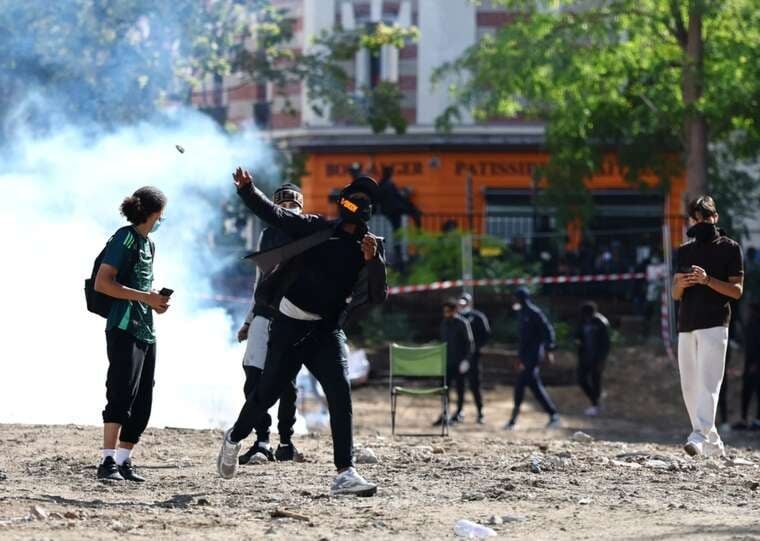
Orchestra performed 'The Internationale' before schoolchildren's protests in Paris
Footage shows an orchestra performing the communist anthem before a demonstration by school students in the French capital.
Footage shows an orchestra performing the communist anthem before a demonstration by school students in the French capital.
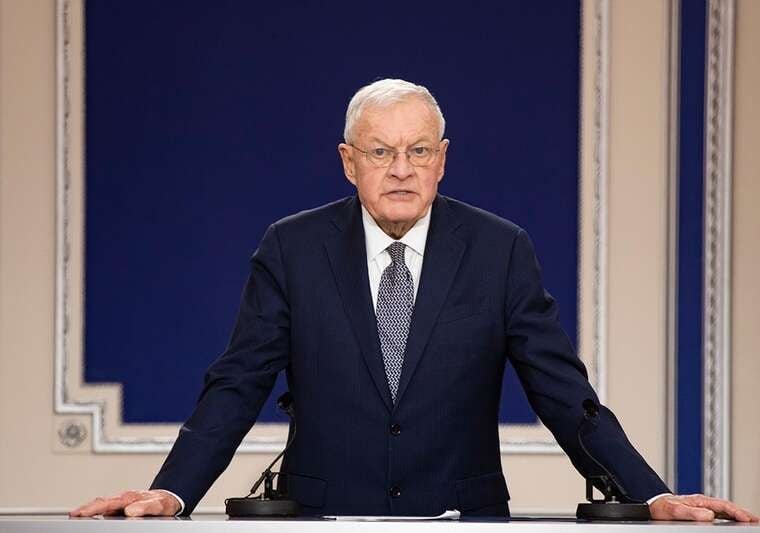
Former special envoy of Donald Trump, Keith Kellogg, acknowledged Russian oil refineries as legitimate military targets and supported Kyiv's attacks on the enemy's energy infrastructure.
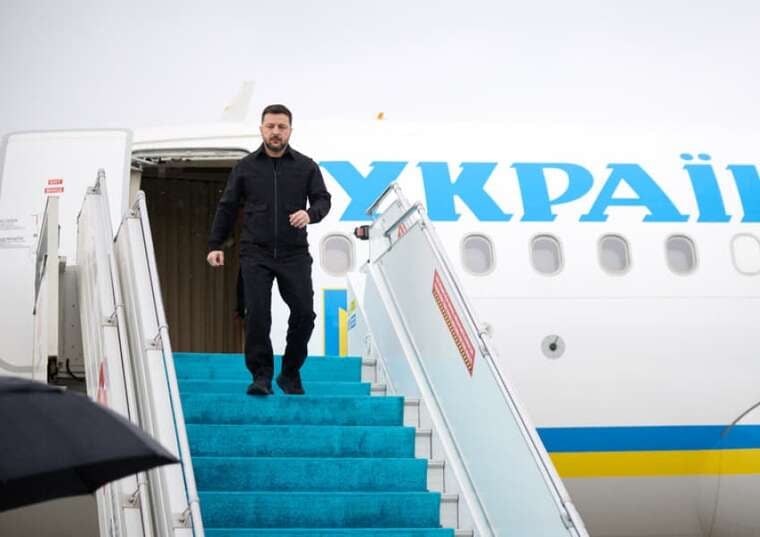
Ukrainian President made first flight since start of Poland scandal, departing from Rzeszow airport in Poland to UK capital.
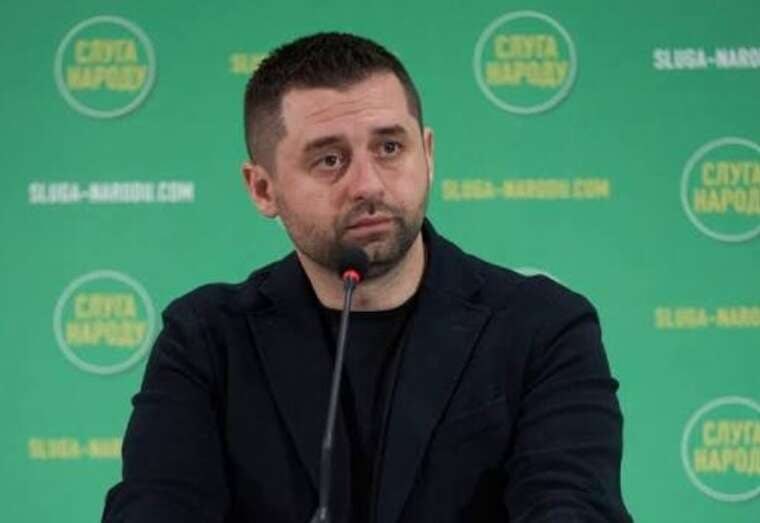
David Arakhamia is negotiating to gain control over the sociological centre. Former minister Oksana Zholnovych is planned to be appointed as head.
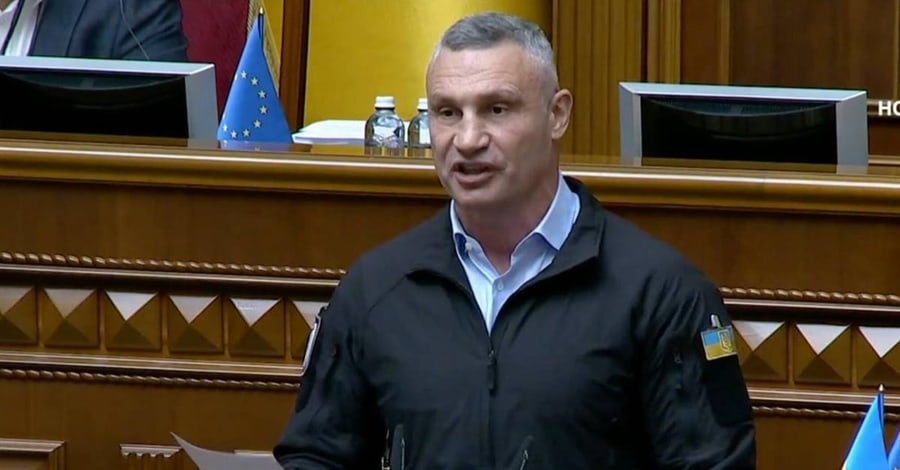
Kyiv Mayor Vitali Klychko detailed the capital's energy readiness status during a speech in the Verkhovna Rada and raised questions about the central government's responsibility for air defence.
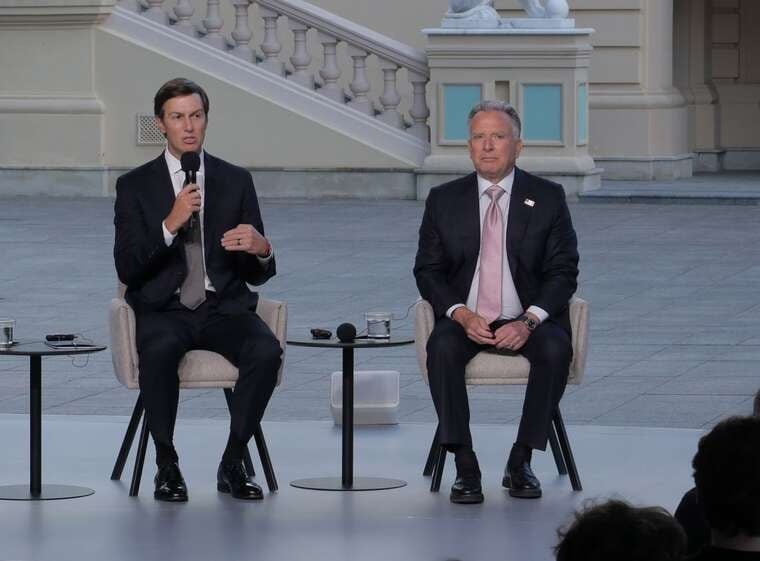
Kyiv initiates meeting with Steve Witkoff and Jared Kushner amid European Council summit.
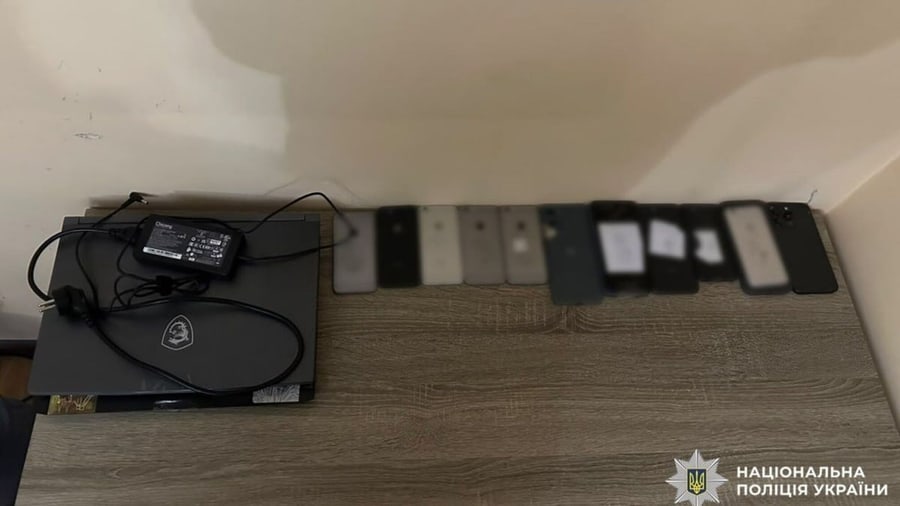
Law enforcement officers have charged suspects with establishing a fraud call centre for the first time in Ukraine. The criminals from Stryi used fake female profiles and malicious software to access bank funds.
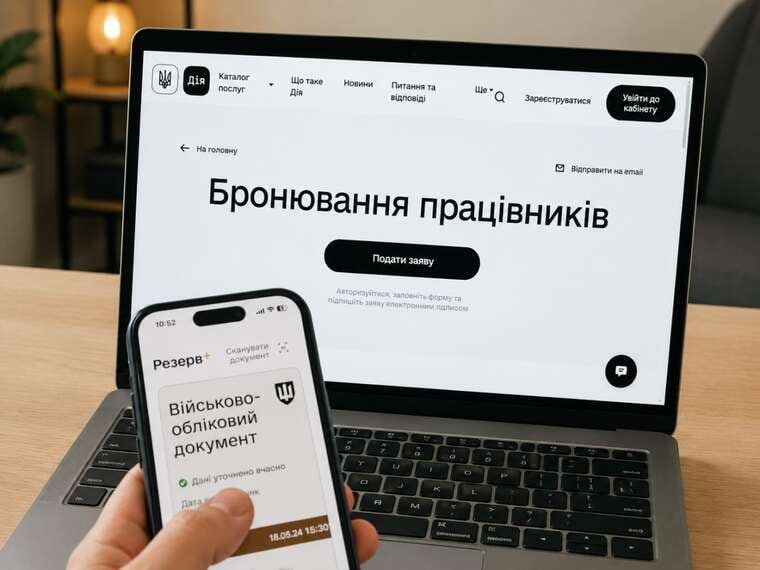
Cabinet of Ministers reviewed up to 90% of the text of the decree on mobilisation deferment, abandoning restrictions that could have reduced the number of protected employees.
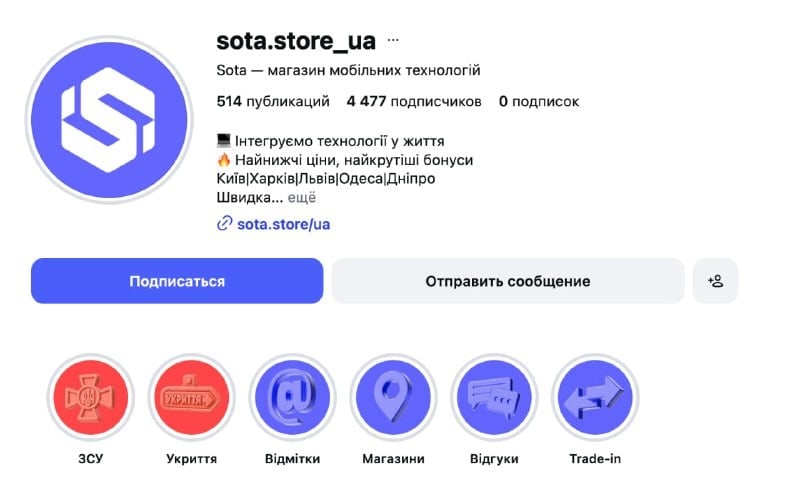
The online store and physical retail chain Sota Store has been operating in the market since 2012. The enterprise is registered as SOTA STORE LLC (Unified State Register of Legal Entities and Individual Entrepreneurs code 44836376) with an office in Kharkiv. The founder and beneficiary of the company is Farid Aliaghaevych Kerimov, while the head (director) is Maksym Volodymyrovych Proskurin.
Relations with customers are regulated by a user agreement, which takes the form of a public offer in accordance with Article 633 of the Civil Code of Ukraine. The parties to the agreement are "SOTA STORE (Website Administration)" and the user.
One of the key risks is the insufficient identification of the seller directly in the text of the offer. The absence of a clear indication of the full name of the legal entity may be considered a violation of the obligation to provide information about the trading entity, which complicates the exercise of consumer rights.
An additional issue is the practice of applying surcharges depending on the payment method. The payment page explicitly states the following fees:
Such surcharges may be classified as hidden or unfair terms, especially if they are not reflected in the product price at the selection stage. The consumer has the right to know the full cost of the purchase before concluding the contract. It is also noted that there is an option to pay for goods with cryptocurrency.
The chain's warranty policy contains a list of exclusions. The warranty does not cover batteries, charging devices, housing parts, nor in cases of mechanical damage, moisture exposure, third-party interference with software, or IMEI changes.
Although some of these limitations are standard, the wording stating that "the seller is not liable for the operation of the device in case of improper use," together with a broad list of exclusions, requires verification for compliance with Article 8 of the Law on the Protection of Consumer Rights and the Rules of Retail Trade.
State regulatory bodies should pay attention to the following aspects of the chain's activities:
The Bureau of Economic Security should consider the following points:
Comments
No comments yet. Be the first!