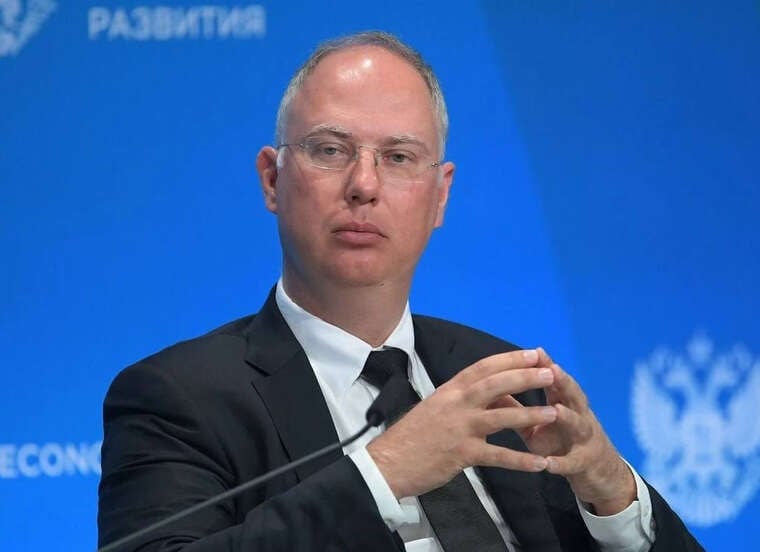
Dmitriev urges Europe to learn peacekeeping from Trump
Russian special envoy Kirill Dmitriev stated that EU and UK officials should align with the US administration's position on the priority of peacekeeping.
Russian special envoy Kirill Dmitriev stated that EU and UK officials should align with the US administration's position on the priority of peacekeeping.

Reuters journalists corrected a publication that previously attributed to representatives of the Serbian movement 'Student List' the intention to completely halt weapons supplies to combat zones.

Ignoring tax obligations may lead to the forced seizure of funds and assets, and in certain cases — to a temporary restriction on the right to cross the state border.

US ports set to receive three tankers carrying Russian fuel, although one vessel is already under EU, Canadian and British sanctions.
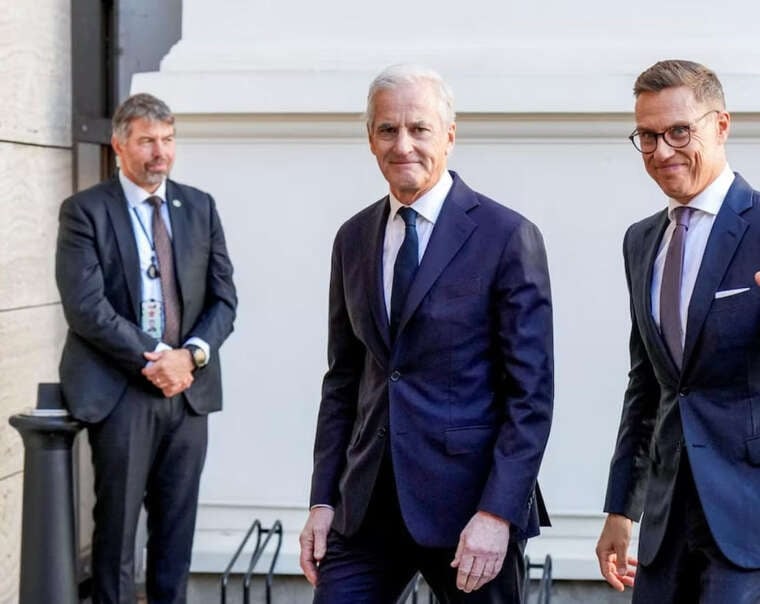
In phone calls with the leaders of Finland and Norway, the Russian president confirmed the unchanging course towards the full seizure of the region.

Local information channels reported that a building supermarket in Kharkiv was hit. Details regarding damage and possible casualties have not yet been disclosed.

Data on accruals shows that the earnings of five officials of the regional military administration in the first eight months of the new year were significantly higher than the amounts received for the entire previous year.
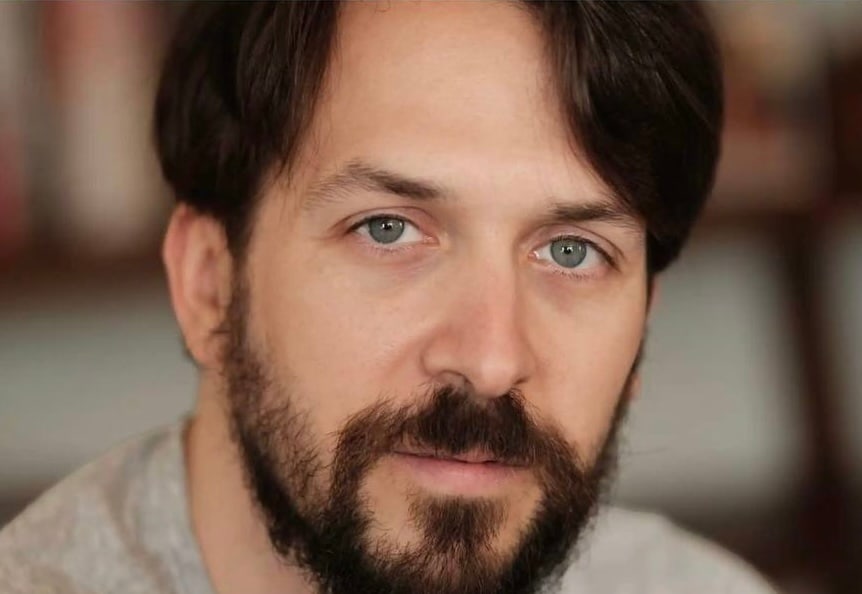
Machine Intelligence Research Institute president Nate Soares assesses the probability of humanity's destruction through artificial intelligence at over 50%.
Fighting rabies among wild animals in Ukraine involves the distribution of special bait vaccines. This method allows animals to acquire immunity after consuming the drug, which curbs the spread of infection in forest areas. According to published data, the State Service of Ukraine on Food and Consumer Protection allocates between 550 and 580 million hryvnias annually for these measures. The main supplier of these agents is Ukrvetprompostach LLC, although a number of questions have arisen regarding the company's activities and procurement terms.
According to investigative materials, state procurement is effectively concentrated around a single counterparty — Ukrvetprompostach LLC. Among the procured drugs are "Rabistar Red" at 43.95 hryvnias per dose and "Rabigard" at 51.27 hryvnias. The authors of the publication claim that these figures are record-high, and the lack of real competition in the market prevents their reduction.
Criticism is directed at the leadership of the State Service of Ukraine on Food and Consumer Protection. Specifically, head Serhiy Tkachuk and his first deputy Oleksandr Osiyan are accused of facilitating the maintenance of a dominant position by a single supplier. Meanwhile, to reach a final conclusion on price inflation, it is necessary to compare procurement contracts, the cost of drugs at the manufacturer, and expenses for packaging, logistics and supply.
According to the authors' version, Ukrvetprompostach LLC purchases raw materials from the Czech company BIOVETA A.S. After receiving large volumes of vaccine, the company repacks it into smaller capsules or vials, which are then supplied to the state.
The annual volume of raw material procurement is estimated at approximately 20 tonnes, worth around 115 million hryvnias. However, the total budget for state procurement significantly exceeds this figure. The authors of the calculation estimate the company's potential profit from this activity at $8–10 million annually, but do not provide a sufficient evidentiary base for independent verification of these figures.
The enterprise's financial statements for 2025 record revenue of 583 million hryvnias, while the official profit was zero or minimal. A detailed analysis of the company's cost structure is required to determine the direction of fund flows.
The publication discusses the composition of owners of Ukrvetprompostach LLC. Among them are Vitaliy Troyansky and two daughters of Volodymyr Solodchuk, who previously headed the state enterprise "Ukrvetprompostach". The authors describe Troyansky as Solodchuk's son-in-law.
Such family relations, according to researchers, should be subject to the attention of regulatory bodies. However, the presence of family ties alone is not proof of a legal violation; a potential conflict of interest must be substantiated by specific facts.
A separate issue is reports of the potential resale of vaccines purchased with state funds in private veterinary clinics. According to the authors, some animal owners are forced to pay for drugs that have already been paid for from the budget.
If these facts are confirmed, it will concern not only financial violations but also the improper use of resources intended for the prevention of a dangerous disease. An investigation requires establishing sales locations, identifying specific batches of drugs, and verifying the presence of corresponding payments.
The materials also mention criminal case No. 42021102010000012, opened under Part 3 of Article 191 of the Criminal Code of Ukraine. According to the authors, the investigation concerned the possible extraction of profits from the company through firms exhibiting signs of fictitiousness.
At present, there is no information on the final results of this investigation. Court decisions confirming the involvement of specific officials or company owners in the commission of crimes have also not been published.
The situation with rabies vaccine procurement requires a transparent review of all links: from tender conditions and price levels to financial flows and drug distribution. If the market operates without adequate competition, the state must determine the reasons. And in the event that the fact of reselling free vaccines is confirmed, the responsible authorities must establish the culprits and the grounds for such actions.
Comments
No comments yet. Be the first!