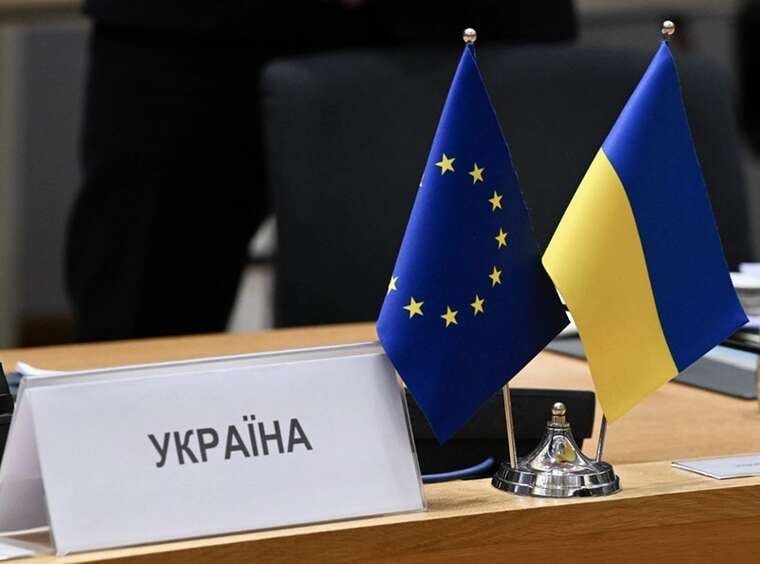
EU prepares financial response to Ukraine's €70bn budget deficit
The European Commission plans to agree on mechanisms to cover two-thirds of the budget deficit declared by Kyiv for next year by the end of the year.
The European Commission plans to agree on mechanisms to cover two-thirds of the budget deficit declared by Kyiv for next year by the end of the year.

A tanker flying the Maltese flag carrying Russian diesel fuel is heading to New York. This is the first implementation of the agreements between Moscow and Washington.
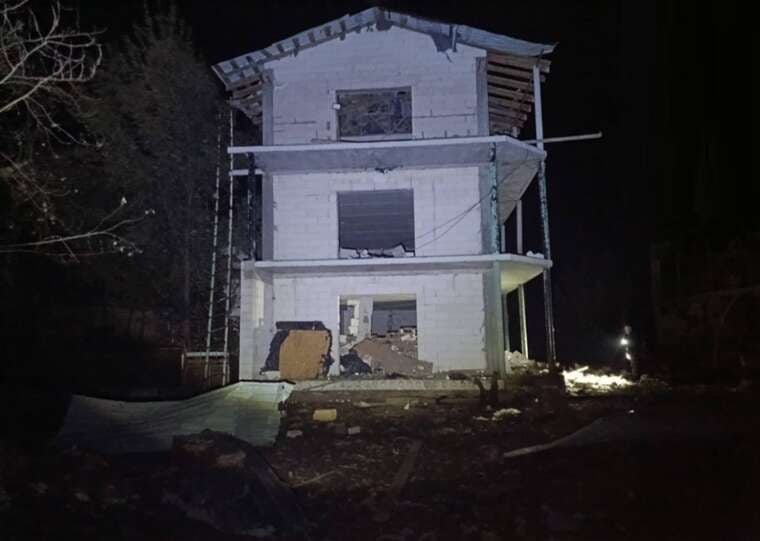
Odesa Regional Military Administration reported enemy strikes on DTEK infrastructure and a resort area in the south of the region on the night of October 23. No casualties.
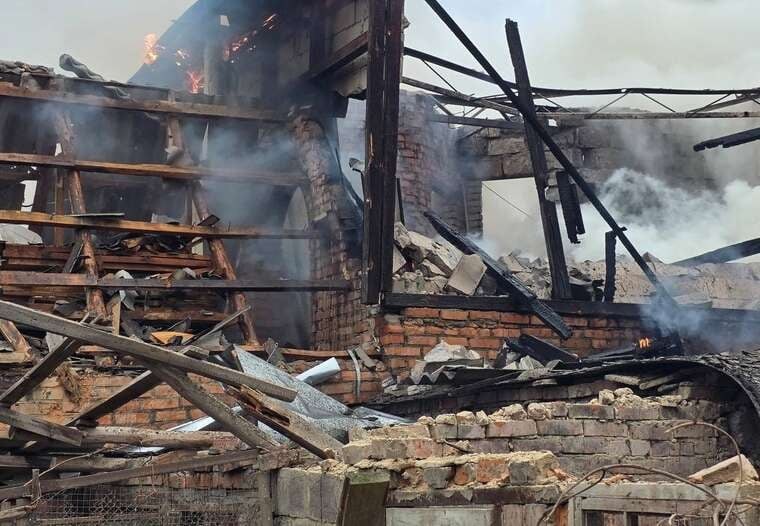
Head of Vinnytsia Regional Military Administration Natalya Zabolotna reported infrastructure damage following a massive attack, but there are no civilian casualties.
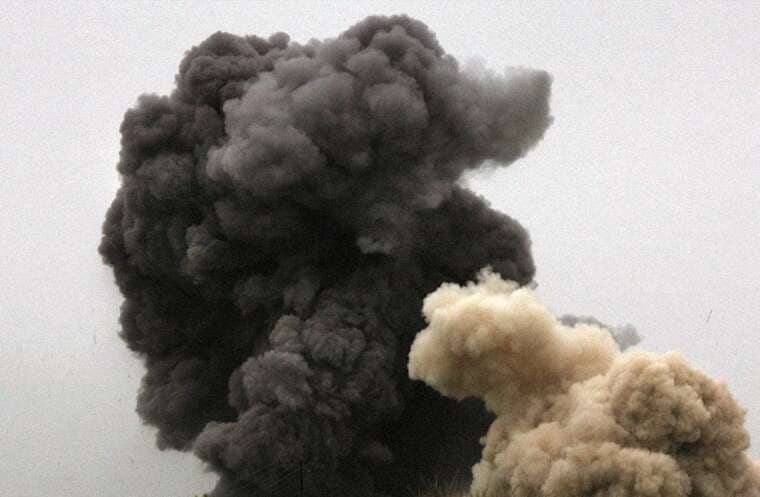
On the night of 23 October, a facility in Nizhny Novgorod Oblast storing information from Russian state registers came under attack.

Russian occupiers shelled Dniprovskyi district on the morning of 23 October, resulting in two injuries and a fire at an enterprise.
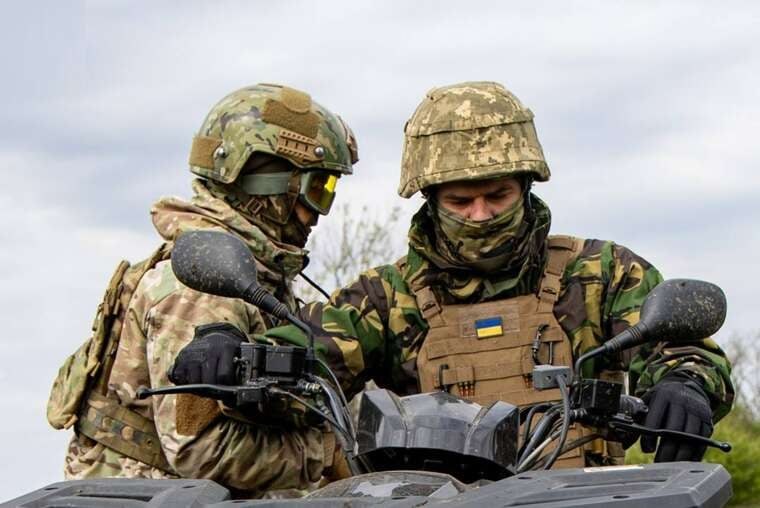
Institute for the Study of War analysts noted that since 1 September 2026, Russian losses have exceeded gains. The pace of Russian military advances has dropped sharply.

Court denied Karina Kostyuk's appeal against tax assessments, ruled information exchange with the UK lawful, and ordered payment of personal income tax and military levy.

The United States is actively working on resuming the negotiation process regarding the cessation of the Russian-Ukrainian war. According to The Economist, Washington is proposing a new model of possible compromises, which includes several key conditions for both sides of the conflict.
The central element for Ukraine is the rejection of accession to the North Atlantic Alliance (NATO). In return, Kyiv is offered the prospect of European Union membership and an investment package. One of the options envisages the creation of a demilitarised zone in the Donbas.
The Russian side, according to the described scheme, may obtain the opportunity to conclude commercial contracts with American corporations, achieve the lifting of existing sanctions, and normalise political relations with the US. Among the economic bonuses for Moscow, the resumption of Russian natural gas exports to Europe and the resumption of operations of the "Nord Stream" pipeline are also being considered.
Ukrainian officials have not yet received the full package of information on Washington's latest proposals, although the general set of conditions is known to them. The Economist journalists characterise this deal as unbalanced. The US administration is trying to urgently resume work on a peace agreement.
Meanwhile, Russia currently does not demonstrate readiness for a peaceful settlement. Moscow is launching a large-scale winter campaign of strikes and will likely try to drag out negotiations, counting on concessions on the issue of sanctions.
Ukrainian negotiators fear that American representatives may agree on favourable economic deals with Russia before the end of hostilities. "From their point of view, why wait and waste time? Time is money," noted one Ukrainian official.
Against the backdrop of peace initiatives, relations between Ukraine and the US are becoming increasingly unstable. One of the reasons was the restriction of Starlink satellite communication for Ukrainian drones. According to The Economist, this decision may have looked like a diplomatic warning, but its consequences were directly felt by the Ukrainian military.
No representative of US President Donald Trump's administration publicly acknowledges responsibility for this step. The publication suggests that the decision may have come from a narrow circle of people around the American president, including Elon Musk and special envoy Steve Witkoff.
According to reports, Musk allegedly wanted to punish Ukraine for strikes on Russian oil refineries. Meanwhile, one official claims that the entrepreneur contacted the White House only after the restrictions were introduced. Another source notes that Musk sympathises with Ukraine, although it seems that Vladimir Putin sometimes gets ahead of him. According to The Economist, for the Russian president, the Starlink disruptions became the culmination of two successful weeks for him.
A source in the US government denies that Trump's recent decisions are aimed at forcing Ukraine to capitulate. Instead, the publication's interlocutor considers the American president a victim of a successful Russian information operation. According to the source, Trump is also concerned about unfavourable polling results ahead of the mid-term elections in the US.
The publication pays particular attention to the activities of American representatives Steve Witkoff and Jared Kushner. According to The Economist's interlocutors, they mistakenly view Putin's motives primarily as economic and territorial, underestimating the nationalist component of his policy. In the opinion of sources, this makes American negotiators vulnerable to Russian manipulations.
A former American official sharply criticised the situation around Trump and his entourage, stating that the US president is creating difficult circumstances while relying on people whose decisions raise doubts.
The Economist also draws attention to the political calculations of Ukrainian President Volodymyr Zelensky, who has recently criticised Trump for insufficiently decisive actions. According to the publication's assumption, the Ukrainian president may be counting on the fact that unfavourable results of the mid-term elections for Republicans will weaken the position of the American leader.
However, such a calculation may prove to be wrong. One member of Congress, who sympathises with Trump, noted that intensified investigations against the president by the Democrat-controlled Congress could provoke even more aggressive behaviour by the head of the White House.
In the opinion of The Economist, such a development of events is unlikely to be favourable for Ukraine, which is simultaneously facing military pressure from Russia and uncertainty in relations with the United States.
Comments
No comments yet. Be the first!