
Lviv region: two new leptospirosis cases, one linked to water from a forest spring
Two more leptospirosis patients have been registered in Lviv region. The infection was contracted while working on a plot and during a forest outing.
Two more leptospirosis patients have been registered in Lviv region. The infection was contracted while working on a plot and during a forest outing.
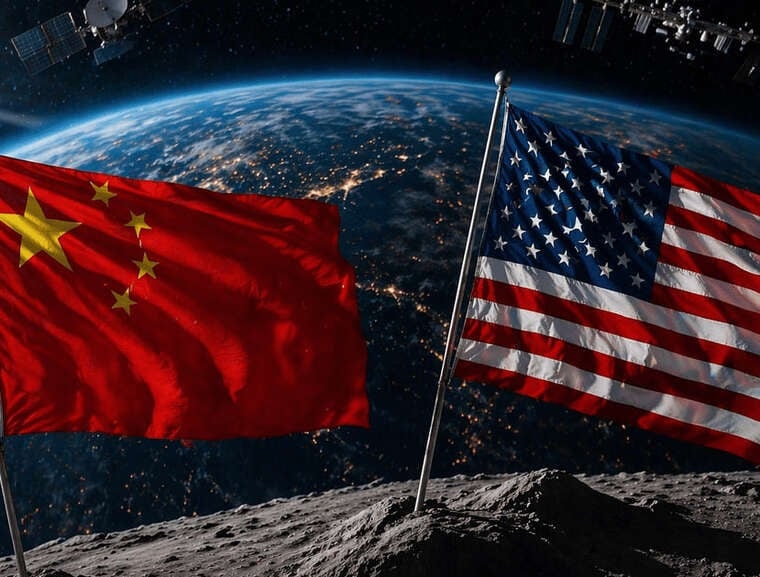
Major powers are accelerating the development of atomic facilities for space to ensure a constant power supply for future lunar bases and gain an advantage in exploring Earth's satellite.
During an interview with Jacob Rees-Mogg, the American blogger called Britain's entry into the Second World War a mistake and justified Adolf Hitler's position on territories.
Entrepreneur Elon Musk and Shivon Zilis have ended their romantic relationship, which lasted over five years. Zilis aims to maintain a friendship for the sake of their four children.
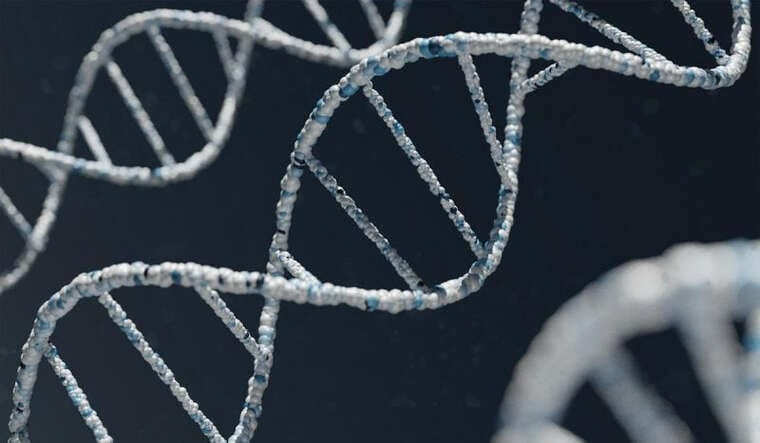
The British publication warns of the risks of creating artificial organisms with altered molecular spatial orientation, which could become an uncontrollable threat.

The speaker of the Iranian parliament stated that Tehran refuses to open the strategic strait until Washington accepts conditions based on the Islamabad memorandum.

Budget analysis shows courts receive less funding than law enforcement agencies, compounded by a high volume of complaints against investigators arising from bureaucracy.
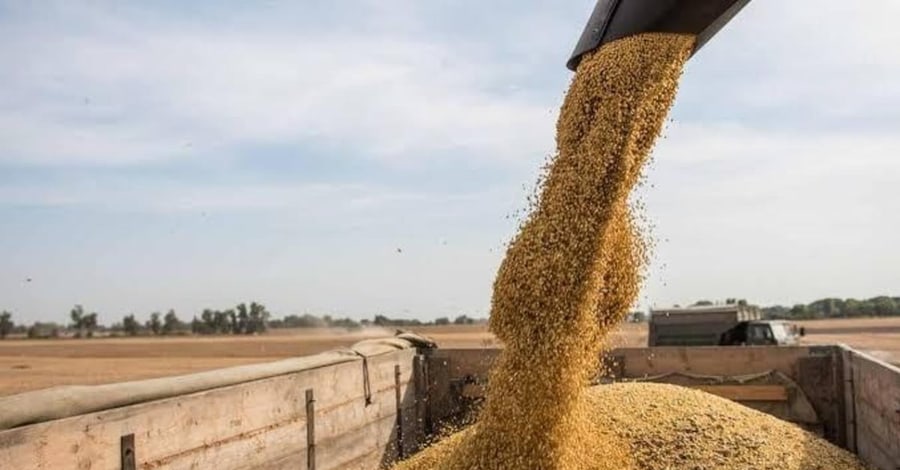
Neighbouring countries stated they cannot double the volumes of Ukrainian agri-product shipments. This threatens the loss of around 30 million tonnes of exports and a 35–40% reduction in sown areas.
The British publication The Economist has published an article warning of the potential danger associated with the creation of so-called "mirror life". The publication calls on scientists to establish strict limits on research in this area in advance to avoid unpredictable consequences.
The issue concerns experiments with artificially created cells whose molecules have the opposite spatial orientation. In simplified terms, they can be called "mirror" versions of familiar living organisms. This structural change creates a unique challenge: the immune systems of natural organisms may simply fail to recognise viruses and diseases built on such a principle.
Meanwhile, science currently knows of no effective way to combat such organisms. It is physically impossible to simply "mirror" atoms in the reverse direction, and for "mirror" forms of life, there may be no natural protection, nor mechanisms for normal interaction with other forms of life.
To prevent a possible uncontrolled breakthrough in this field, The Economist proposes introducing strict regulation. Among the key proposed measures are a ban on international funding for such research and restrictions on the use of artificial intelligence to assist in work on them.
Comments
No comments yet. Be the first!