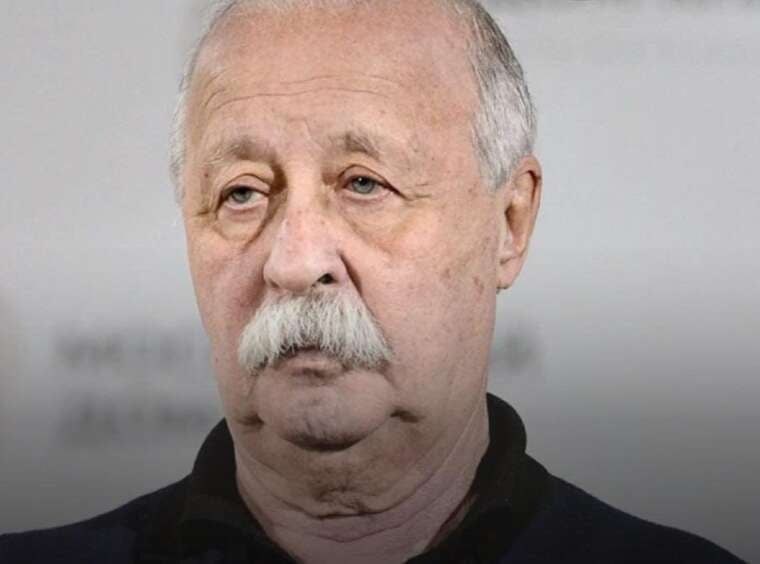
Leonid Yakubovich added to GUR database for spreading propaganda and supporting occupation
The host of "Field of Wonders" was included in the Main Intelligence Directorate's list for systematically facilitating Russia's armed aggression.
The host of "Field of Wonders" was included in the Main Intelligence Directorate's list for systematically facilitating Russia's armed aggression.
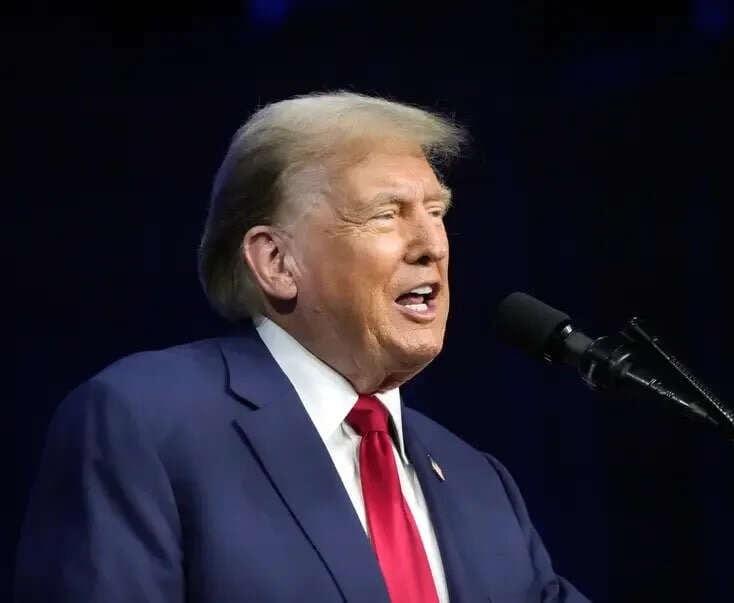
Former NATO official Oana Lungescu warns that Washington may use its military presence as a pressure tool on allies to conclude a large-scale agreement with Moscow.
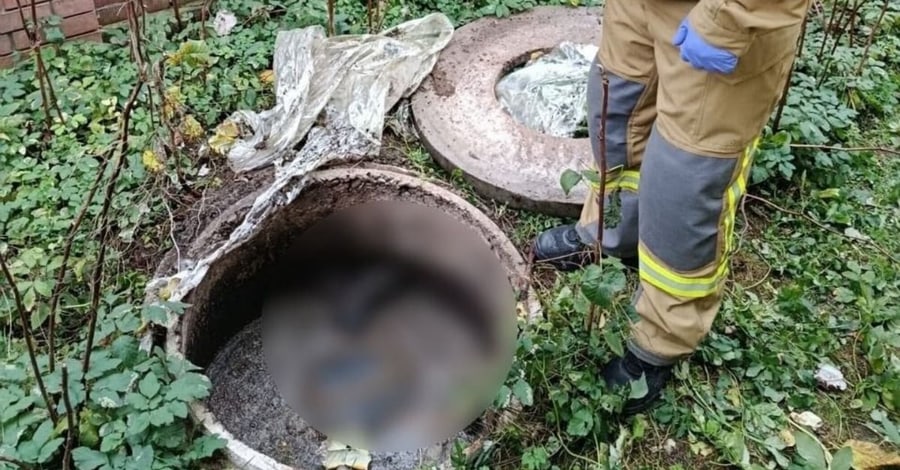
ARZSP rescuers retrieved the body of an unidentified woman from an underground structure. Police are establishing the identity of the deceased and the details of the tragic incident.
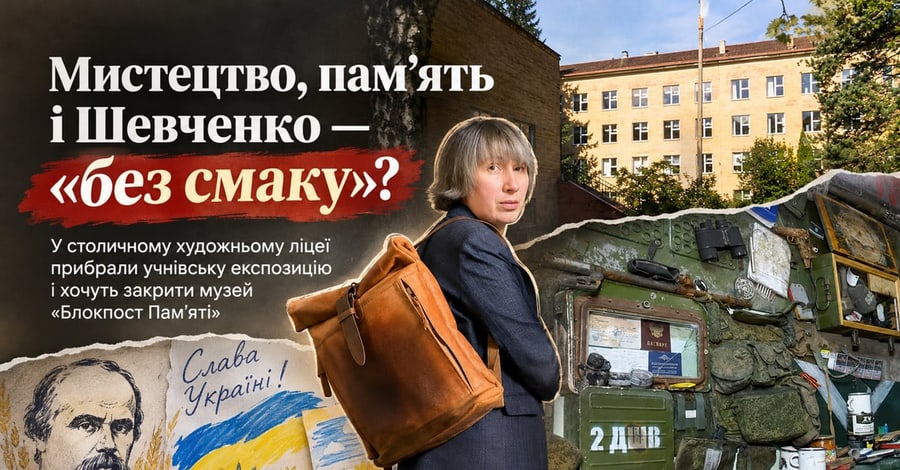
New administration of Shevchenko Lyceum dismantled exhibition near entrance, calling it "tasteless". Memorial museum "Blockpost of Memory" housing belongings of fallen soldiers now faces closure.

Kyiv Mayor Vitali Klychko announced the launch of heating in the capital's residential sector from Monday, 2 November, noting that the season has already begun for social facilities.
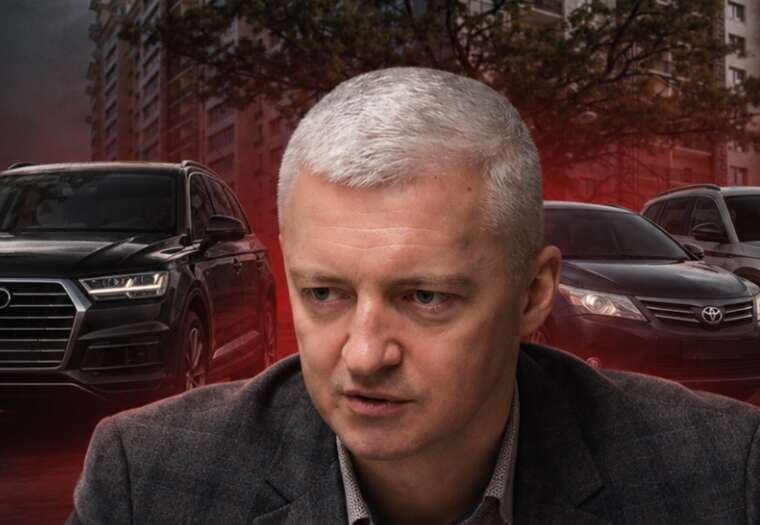
Investigation revealed that Andrii Tantsarov uses assets registered in the names of his parents, brother, and wife, raising questions about his integrity.

Ivano-Frankivsk court convicted a woman for offering improper benefit to a State Labour Service official for processing documents without labour safety knowledge checks.
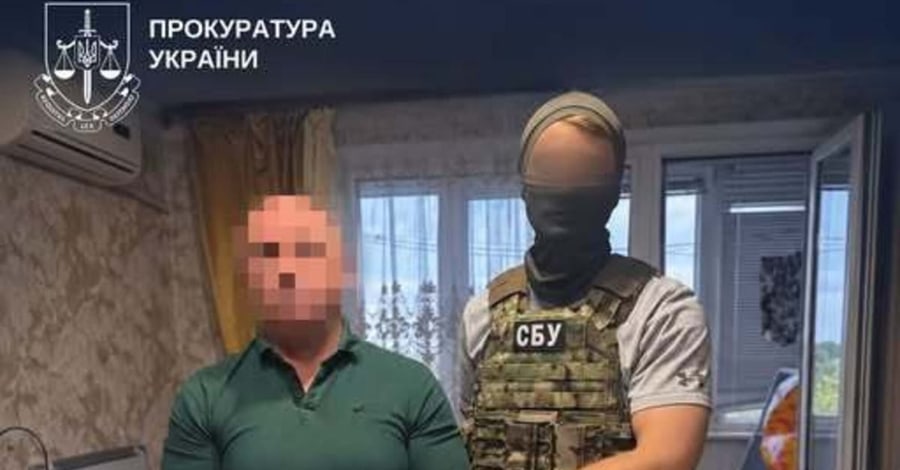
Svyatoshyn District Court kept the man charged with attempting a terrorist act in custody but allowed release on bail of 998,400 UAH. The prosecution plans to appeal this decision.
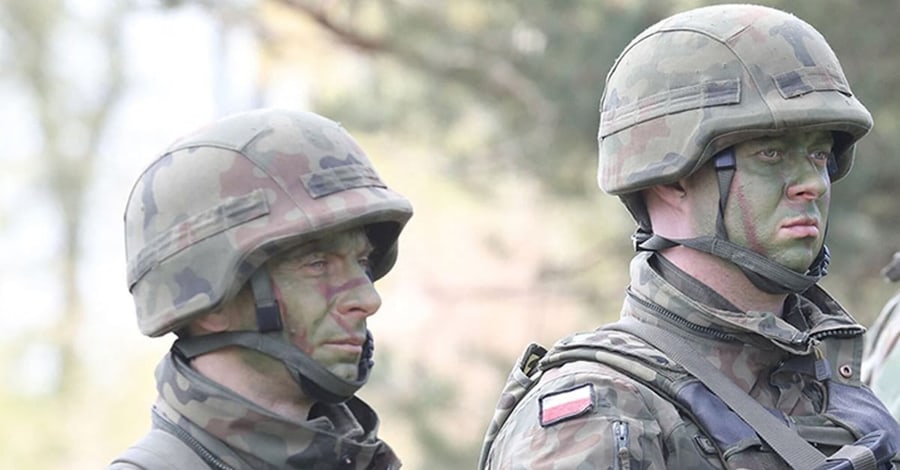
In November, large-scale military exercises will take place on Polish territory, involving at least 1,500 servicemen. The international group will include representatives of the armies of the United Kingdom, France, Germany and Poland. The main objective of the manoeuvres is to practise mechanisms for moving multinational formations and ensuring they are supplied with necessary resources. These measures are viewed as preparation of European troops for a possible mission in Ukraine after the cessation of hostilities. However, discussions regarding the specific mandate of these forces and the level of involvement of the United States remain open.
Plans for such training were reported by the British publication The Times. Similar information was also published by the editorial team of “Yevropeiska Pravda”.
The agreement on the exercises was reached in July during a meeting of leaders of the “Coalition of the Willing” in Paris. According to the Polish government, these manoeuvres are intended to increase the readiness of allies for joint actions in support of regional security and Ukraine.
During the exercises, servicemen will focus on practising the movement of units across borders, coordinating the actions of forces from different states, and logistical support. Particular attention will be paid to the supply of fuel and food.
These tasks have practical significance for a future multinational mission. Its effectiveness will depend not only on the number of troops but also on the ability to deploy units in a timely manner, provide them with everything necessary, and act according to a single plan.
At the same time, the conduct of exercises does not mean that a decision to deploy foreign troops in Ukraine has already been made. Currently, a ceasefire has not been agreed upon, and the final terms of the future mission and its authorities still require clear definition.
The United Kingdom and France play a leading role in planning the future multinational force. In July, the British government stated that such a mission could be deployed after the end of hostilities to support Ukraine's security and restore its defence capabilities.
Meanwhile, the lack of a clear commitment from the US to send its own ground troops creates uncertainty about what specific resources and guarantees will underpin the European presence. The exercises themselves will not answer the question of how allies will react to a possible violation of the ceasefire or new aggression by Russia.
For Kyiv, the key aspect is not only the physical deployment of an international contingent but also the reliability of partners' commitments. A statement by the co-chairs of the “Coalition of the Willing” dated 13 July mentioned politically and legally binding security guarantees that are to enter into force after the establishment of a ceasefire. The coalition also confirmed the readiness of the multinational force to act at Ukraine's request after a reliable cessation of hostilities is achieved.
Russia opposes the deployment of foreign troops on Ukrainian territory. Therefore, European states will have to agree not only on the practical aspects of a possible mission but also on the conditions for its deployment and the level of responsibility of each participating country.
The November manoeuvres in Poland will be an important test of military coordination. However, the main question will remain political: whether allies will be able to turn plans into specific commitments sufficient to deter new Russian aggression.
Recall that the Verkhovna Rada ratified a credit agreement with the EU for €90 billion. This document provides for financing weapons purchases, support for the defence industry, and budgetary needs.
Previously, it was also reported that the EU provided €343 million in guarantees and grant funding for the development of Ukraine's defence technologies. The relevant agreements were signed by the European Commission, Ukraine's Ministry of Defence, and the governments of France and Finland.
Comments
No comments yet. Be the first!