State enterprise Ukrnafta has encountered a second refusal to hold an auction for hydrocarbon extraction at the Stynavskoye field. This situation has sparked debate over how the state manages its own natural resources, particularly against the backdrop of special permits held by private entities.
Chronology of refusals and key figures
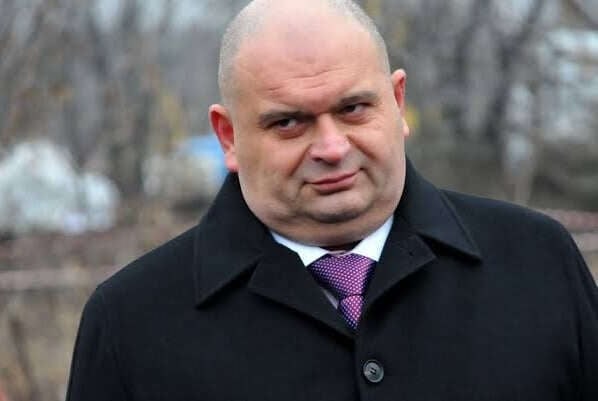
According to published information, the first refusal was issued on 28 September, and the second on 16 October. Both decisions were signed by Acting Head of the State Geology Fund Serhiy Vlasenko. Meanwhile, the company Pari Naftogaz is operating in this area, which is linked to the daughters of former Environment Minister Mykola Zlochevskyi. Following a re-registration in 2022, their special permit contains no restrictions on extraction depth.
Financial risks for the state
The potential consequences of such decisions could be significant. Financial expert Boris Kushniruk estimates possible budget losses at more than 1 billion hryvnia if the plot area is reduced by over 30%. It is worth noting that this is an expert estimate, not a confirmed amount of damages, but the scale of the risk requires transparent explanations from the responsible authorities.
Government reaction and court practice
On 21 October, political scientist Oleh Pasternak stated that the Ministry of Economy returned the Security Service of Ukraine's request to investigate the situation back to the State Geology Fund, instead of establishing a separate commission. This means that an issue requiring independent investigation has once again ended up within the system that has been subject to criticism.
Meanwhile, Borislava Oil Company, which on average extracted 43 tonnes of oil and 68,000 cubic metres of gas per day before its operations were suspended, is challenging the cancellation of its special permit in court.
Appeal to parliament
The temporary investigative committee of the Verkhovna Rada, headed by Yaroslav Zheleznyak, has reportedly requested documents in this case. The deadline for their submission is set for 23 October.
The main question remains open: why is a state company receiving refusals, while the terms of private enterprises' special permits raise questions? The state is obliged to substantiate its decisions with specific documents. If there are no violations, this needs to be proven openly; if there are grounds to suspect abuse, competent authorities must investigate. After all, the subsoil belongs to society, and citizens have the right to know who is gaining access to these resources and on what terms.







Comments
No comments yet. Be the first!