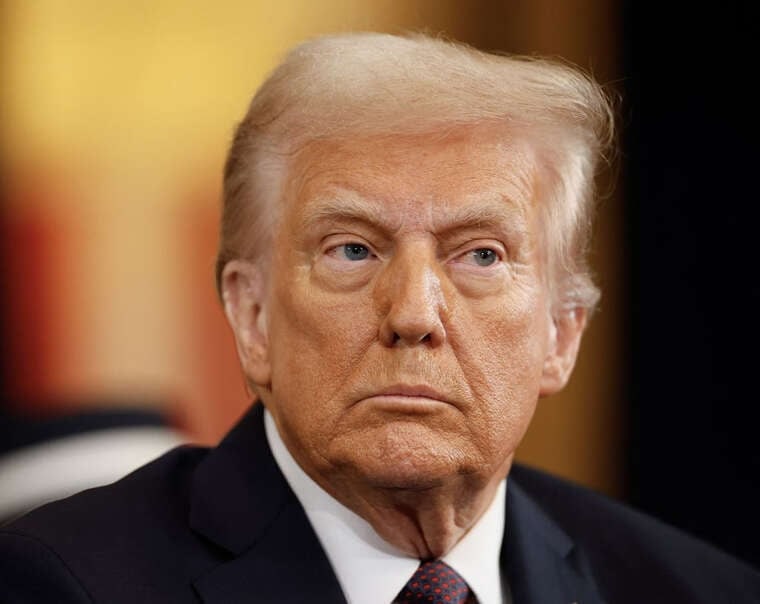
Trump calls Norway "disgusting" over Nobel Prize snub
Donald Trump stated during a speech in Michigan that he wants no dealings with Norway because he did not receive the Nobel Peace Prize.
Donald Trump stated during a speech in Michigan that he wants no dealings with Norway because he did not receive the Nobel Peace Prize.
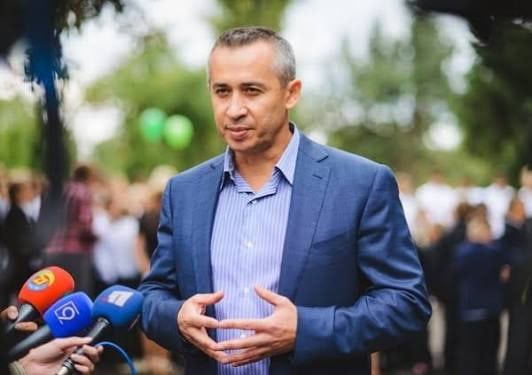
A conflict has arisen in Dnipro over work to prepare an apartment building for the winter period. In a post by “Dnipro OPERATIVNIY”, deputy Zagid Gabibullaev Krasnov was accused of presenting completed

Former head of Israeli intelligence claims that revealing some agents was intended to trigger a wave of arrests and disrupt the operations of Iranian security services.
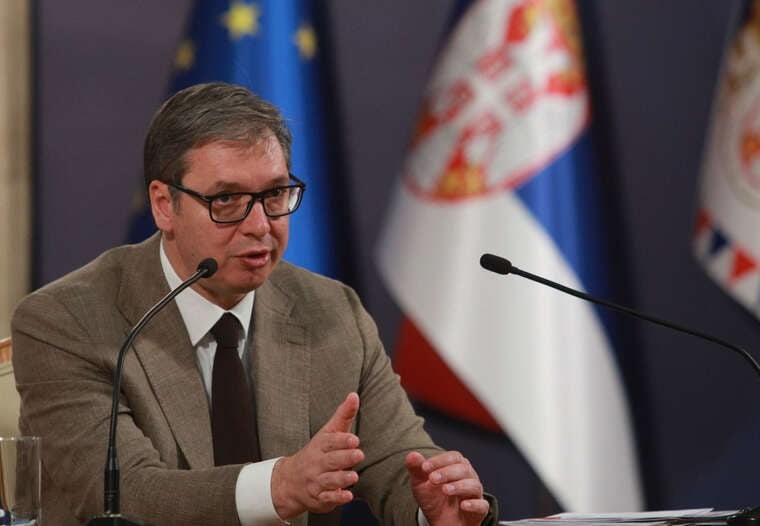
The politician acknowledged that his party is losing the snap parliamentary elections, with the "Student List" emerging as the winner.
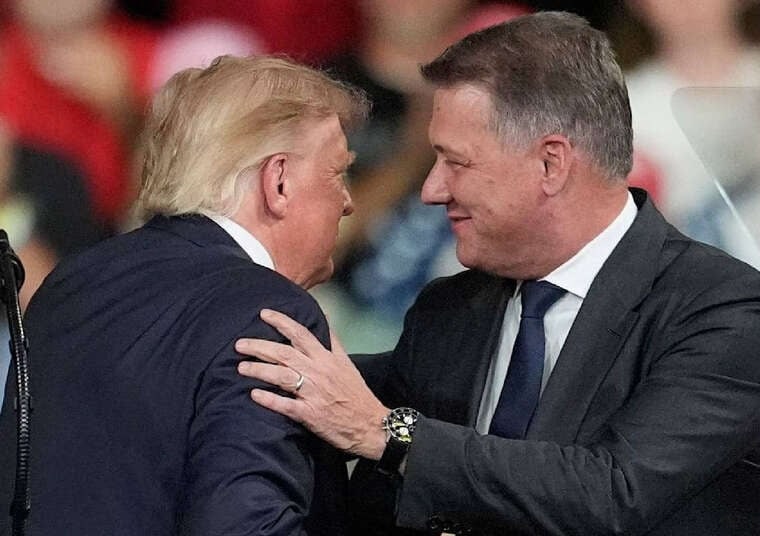
German car giant to create 4,500 jobs in Georgia state to minimise losses from tariffs.
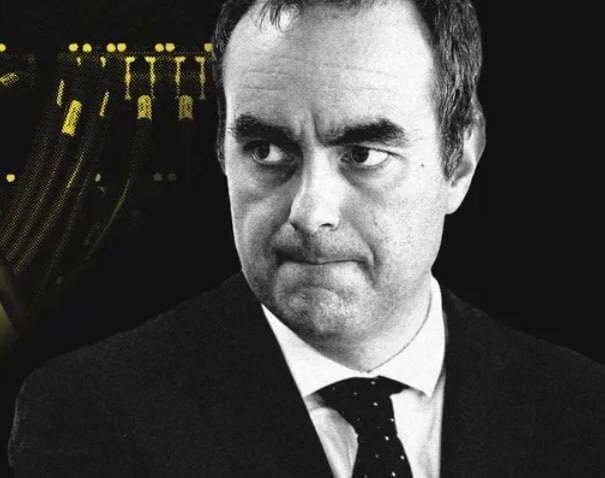
Prime Minister Sébastien Lecornu has asked telecom operators to be ready for potential social media restrictions, which he claims facilitated the coordination of violence.
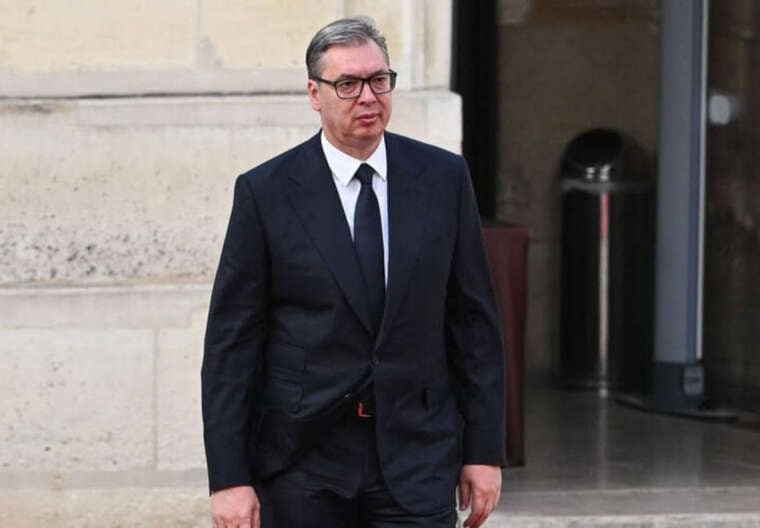
The Serbian Progressive Party reported an incident in which Angelina Vucic was pushed and her grocery bags were torn.
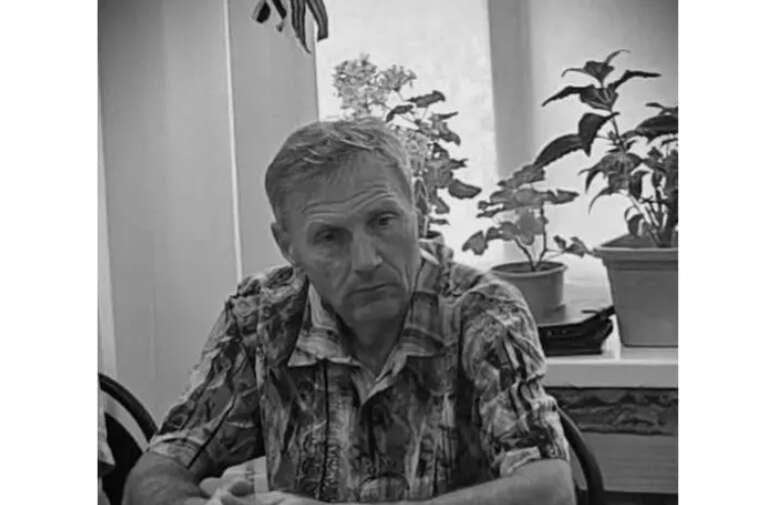
Serhiy Hlushchenko, who previously headed a weather station, was killed by an anti-personnel mine explosion near the village of Khorly.
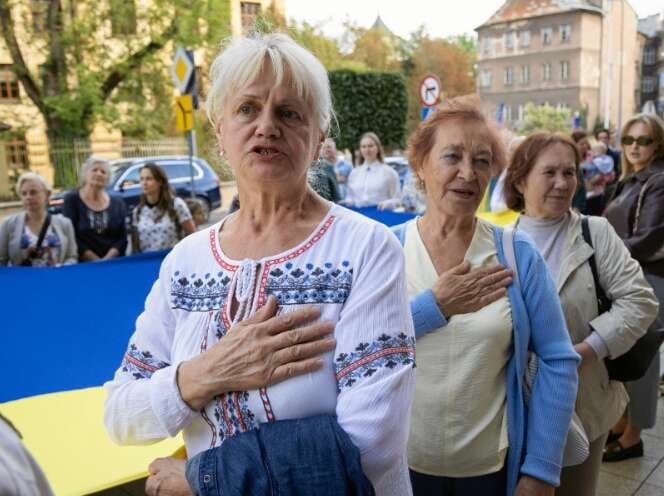
The economic footprint of Ukrainians in Poland over the past year has been substantial: their contribution to the gross domestic product amounted to approximately 94 billion zloty. This means that the Ukrainian community formed approximately 2.4% of the country's economy. In parallel, refugees transferred over 40 billion zloty to the budget in the form of taxes and mandatory contributions.
These figures are presented in a joint report published in early October by the consulting firm Deloitte and the Office of the United Nations High Commissioner for Refugees (UNHCR). This is the third study by these organisations dedicated to analysing the situation of Ukrainians in Poland and their impact on the national economy.
The authors of the document believe that this contribution may grow in the future. The main factors should be the successful integration of Ukrainians into the labour market, the improvement of their qualifications, and their transition to higher-paid positions.
The study analysed data on individuals who received the PESEL UKR identification code. This status is granted to people who crossed the border after the start of Russia's full-scale invasion. Experts note that some refugees were not included in the sample because they changed their legal residence status after improving their situation. Therefore, the actual economic contribution of Ukrainians may be higher than stated in the report.
According to the study, 70–80% of Ukrainian refugees are economically active (i.e., working or actively seeking work). For comparison: among Polish citizens, this figure does not reach 60%.
An even higher level of activity is observed among Ukrainians who moved to Poland before the full-scale war: here it stands at 95–99%. A similar trend was also recorded by the state bank BGK in its 2024 study.
Experts explain the difference in figures by age structure: refugees are predominantly relatively young people, while the category of economically inactive individuals mainly includes pensioners, people with health problems, and those in education. Additional factors for successful employment are cited as the cultural proximity of the two peoples and the rapid learning of the Polish language.
In 2025, Ukrainians with PESEL UKR status paid over 40 billion zloty in taxes and contributions. If considering the entire Ukrainian community in Poland, including those who resided in the country before the start of the full-scale war, insurance contributions to the Polish Social Insurance Institution (ZUS) alone exceeded 13 billion zloty last year.
ZUS head Liwiusz Laszka provided more recent figures: in the first half of 2026, Ukrainians have already transferred 7.4 billion zloty to the social security system.
Thus, the results of the work by Deloitte and UNHCR confirm the significant impact of Ukrainians on the Polish economy through employment, tax payments, and social contributions. It is expected that with the deepening of professional adaptation and the growth of incomes, this contribution may increase.
Comments
No comments yet. Be the first!