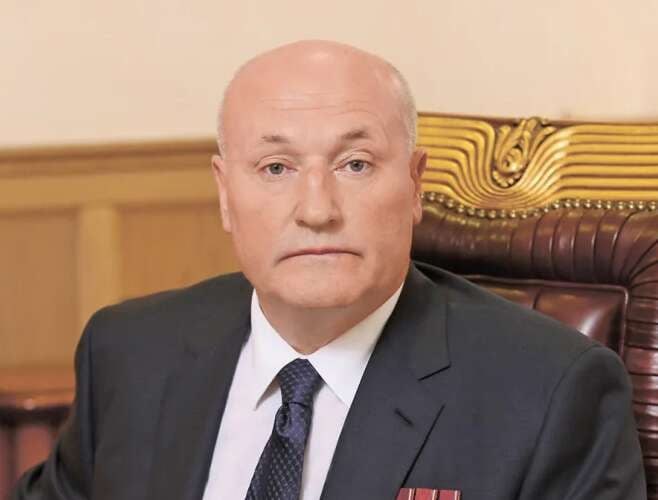
Serhiy Taranenko: Investigation into 93 million UAH procurement and award scandal
The owner of the Dnipro Switch Factory is accused of embezzling funds from Ukrzaliznytsia and inflating prices for the Port of Pivdennyi.
The owner of the Dnipro Switch Factory is accused of embezzling funds from Ukrzaliznytsia and inflating prices for the Port of Pivdennyi.
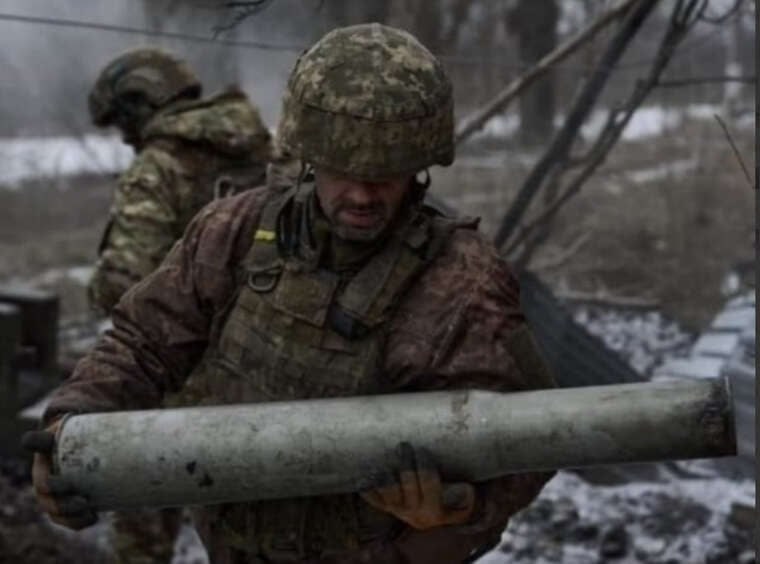
According to a source in Volodymyr Zelensky's team, during preparations for a ceasefire in Kherson region, Ukrainian troops deviated from agreed terms three times, demanding additional security guarantees.
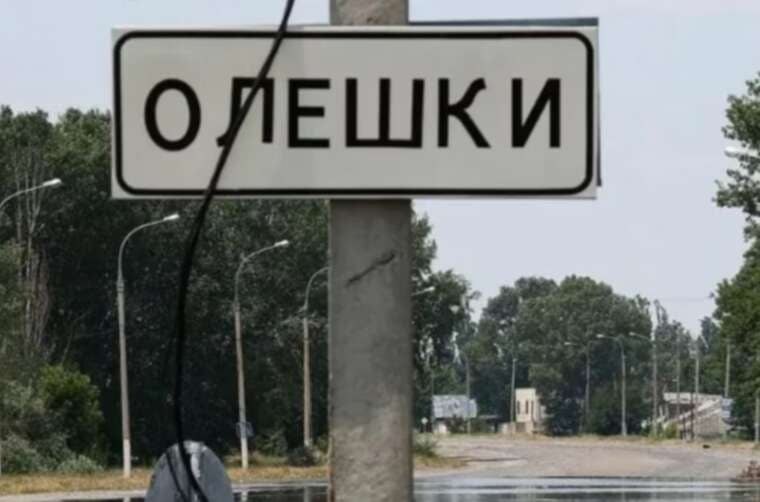
Ombudsman Dmytro Lubynets led a group heading to the temporarily occupied Oleshky. A flight to Belarus is planned afterwards.
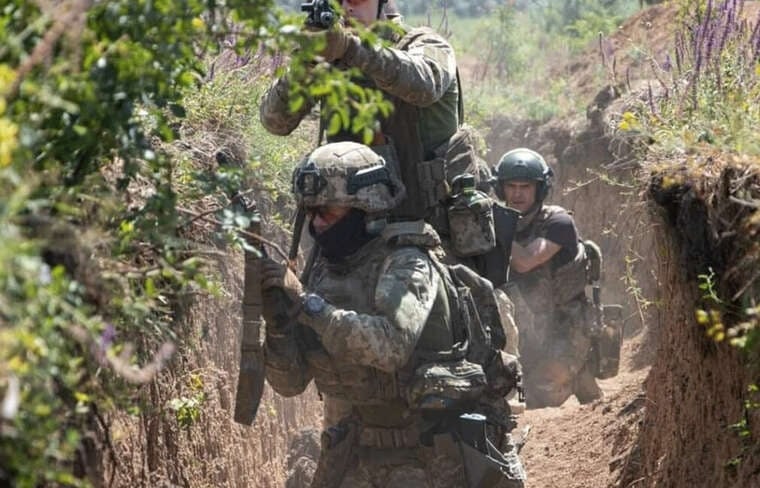
President's Office adviser Serhiy Leshchenko stated that Ukraine could propose establishing a demilitarised zone only in the area of direct combatant confrontation in the Donetsk region.
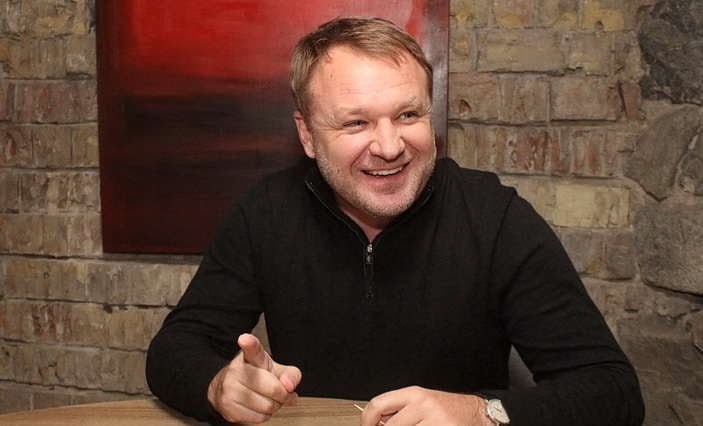
A structure linked to oligarch Kropachov, which is in bankruptcy proceedings, files a lawsuit against the State Tax Service for an amount exceeding 400 million hryvnia.
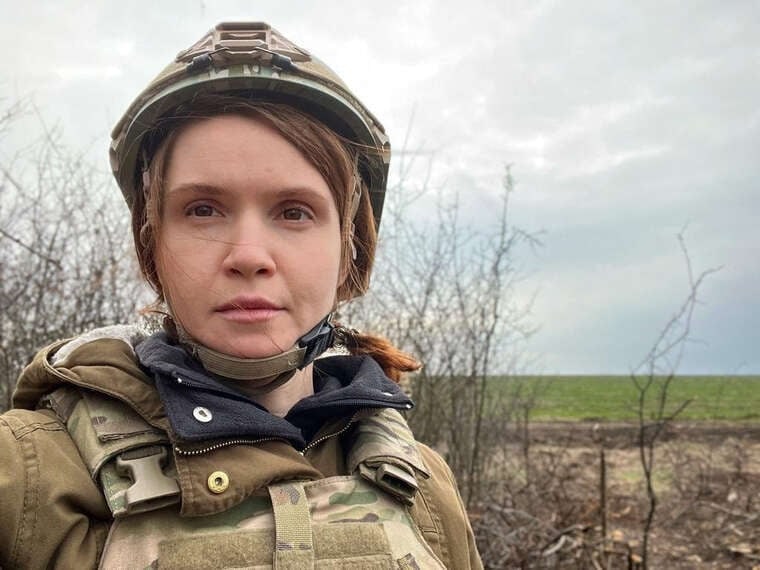
People's Deputy Maryana Bezuhla believes that changes in the leadership of the Marine Corps and the status of the 59th Brigade will contribute to increasing the combat readiness of the Armed Forces of Ukraine.
Due to the risk of ballistic weapons use, a red danger level has been established in the capital and a number of Ukrainian regions. Residents are urged to take shelter immediately.
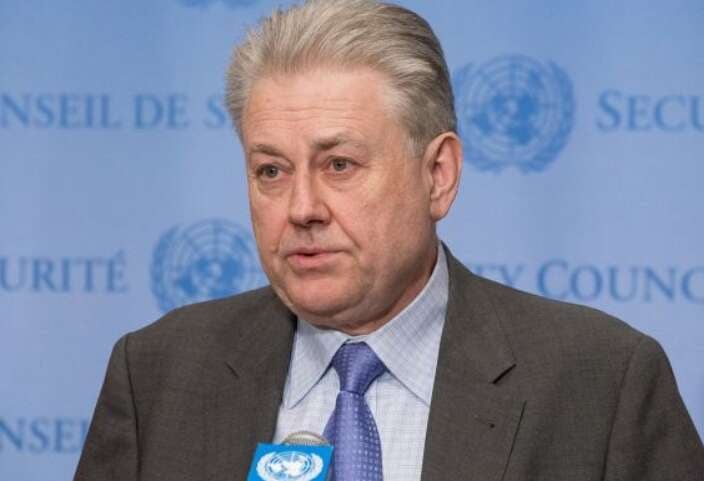
Former Ukrainian ambassador to the US, Volodymyr Yelchenko, explained how to limit the Russian delegation's participation in UN meetings, citing the 1956 Hungary precedent.
Ukraine is actively preparing an international initiative that could deprive Russia of the right to participate in UN meetings. As explained by former Ukrainian ambassador to the US and the UN, Volodymyr Yelchenko, if it were possible to "freeze" the credentials of the Russian delegation in the General Assembly, this would mean a suspension of its activities in the Security Council.
According to the diplomat, the current discussion is not about the full expulsion of Russia from the organisation, as such a step is politically unrealistic. Instead, there is a realistic chance to limit its credentials by using a historical precedent similar to the situation with South Africa during the apartheid era.
Yelchenko highlighted a specific example that few people know: in 1956, following the invasion of Soviet troops into Budapest, the credentials of the Hungarian delegation were frozen. This decision remained in effect for nearly three years.
«Або, от мало хто знає цей приклад: 1956 рік, Угорщина. Після вторгнення радянських військ у Будапешт повноваження угорської делегації були заморожені, і це продовжувалося майже три роки. Це означатиме, що російські представники, такі як Небензя, перестануть мати можливість ходити на засідання і по всьому світу нести оту маячню, яку ми чуємо з телевізора на кожному засіданні Ради Безпеки чи Генеральної Асамблеї ООН» (Or, well, few people know this example: 1956, Hungary. After the invasion of Soviet troops into Budapest, the credentials of the Hungarian delegation were frozen, and this continued for nearly three years. This would mean that Russian representatives, such as Nebenzia, would lose the ability to attend meetings and carry that nonsense around the world that we hear on television at every Security Council or UN General Assembly meeting), — noted the former ambassador.
The diplomat clarified that the mechanism in this case is quite clear. It is necessary to bring this issue to the consideration of the General Assembly by sending a corresponding letter from Ukraine. However, in his words, a better option would be a collective appeal from a group of countries supporting such an initiative.
«І саме над цим Фундація Пилипа Орлика зараз працює. Ми вже об’їхали кілька країн. Продовжуємо ці подорожі, переконуючи на парламентському, урядовому рівнях і на рівні громадськості, щоб ці країни приєдналися до нашої ініціативи» (And it is precisely on this that the Pylyp Orlyk Foundation is currently working. We have already visited several countries. We continue these trips, persuading at the parliamentary, government levels and at the public level, so that these countries join our initiative), — Yelchenko emphasised.
The collective letter should state that a group of states does not recognise the credentials of the Russian delegation, and also calls for including this item on the agenda and starting its consideration.
The former ambassador predicts that such an initiative will be extremely irritating for Russia. Moreover, it will once again draw global attention to a problem that has not been properly discussed for a long time.
«Я на власному досвіді переконався: коли ми зараз говорили в деяких країнах із дипломатами високого рівня, вони кажуть: "О, дійсно, а ми не думали, що це питання можна от саме так поставити". Тобто всі про нього знають, але якось, знаєте, не на часі, їм не до цього, тому що їм ніхто про це не нагадував» (I have personally convinced myself: when we recently spoke with high-level diplomats in some countries, they say: "Oh, really, we did not think that this issue could be raised in exactly this way". That is, everyone knows about it, but somehow, you know, it is not timely, they do not have time for it, because no one has reminded them about it), — Yelchenko added.
In the diplomat's belief, there is a chance of success, as there are many grounds for not recognising the credentials of the Russian Federation. The key reason is not that Russia is an aggressor, but that in 1991 it did not undergo the necessary procedures to become a member of the UN.
«От це ми ставимо під сумнів, і будь-який юрист-міжнародник вам скаже, що рішення може бути однозначно не на користь Російської Федерації» (This is what we are questioning, and any international lawyer will tell you that the decision can be unequivocally against the Russian Federation), — Yelchenko concluded.
Comments
No comments yet. Be the first!