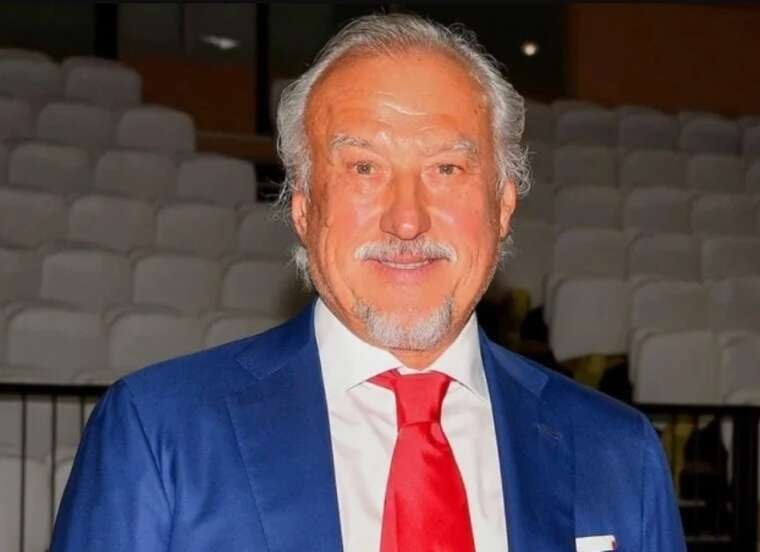
Oleksiy Fedorichev to face trial over $60 million in damages to DPZKU
The owner of a grain trader is accused of diverting state grain to Saudi Arabia and laundering over $40.9 million through Cypriot companies.
The owner of a grain trader is accused of diverting state grain to Saudi Arabia and laundering over $40.9 million through Cypriot companies.

Law enforcement officers detained 40-year-old Artem Kyryushin in Spain, who is suspected of establishing a criminal organisation and embezzling funds through inflated heating prices in Ivano-Frankivsk.
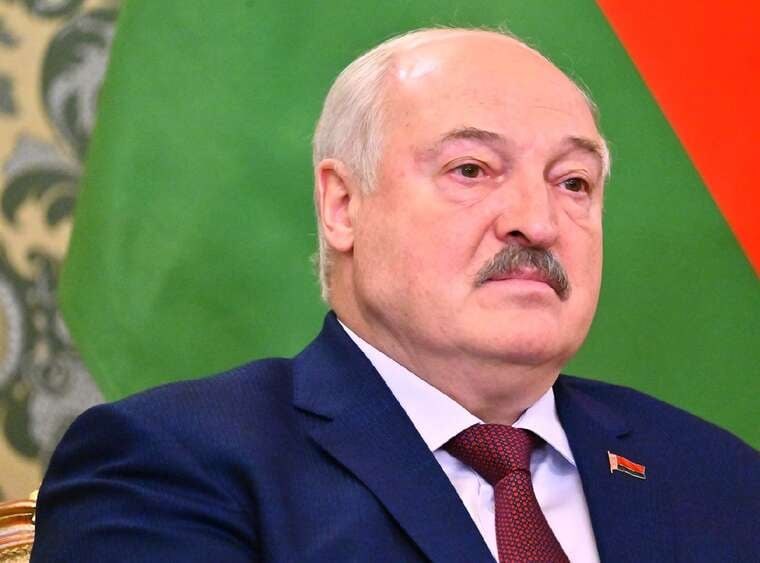
The Belarusian leader stated that refusing a peaceful settlement in the current year would make further negotiations more difficult, and eventually impossible.
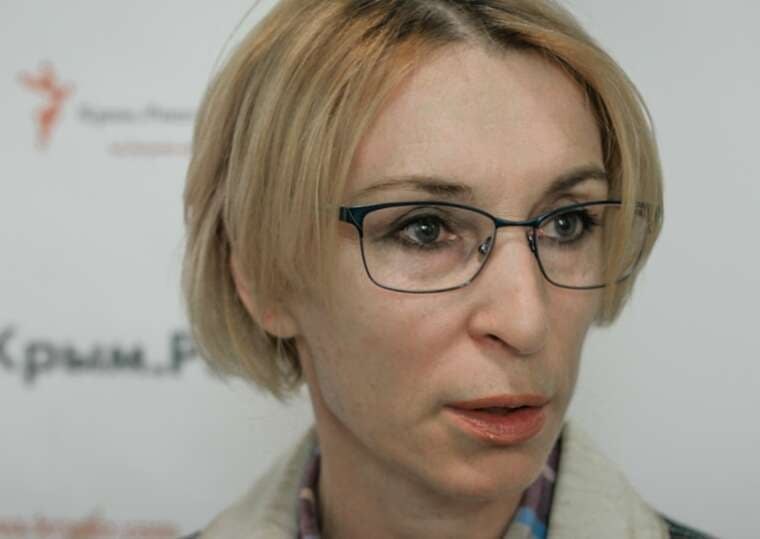
A deputy from the Servant of the People faction delivered sharp criticism of the US president, comparing her assessment of his actions to Boris Nemtsov's remarks about Vladimir Putin.
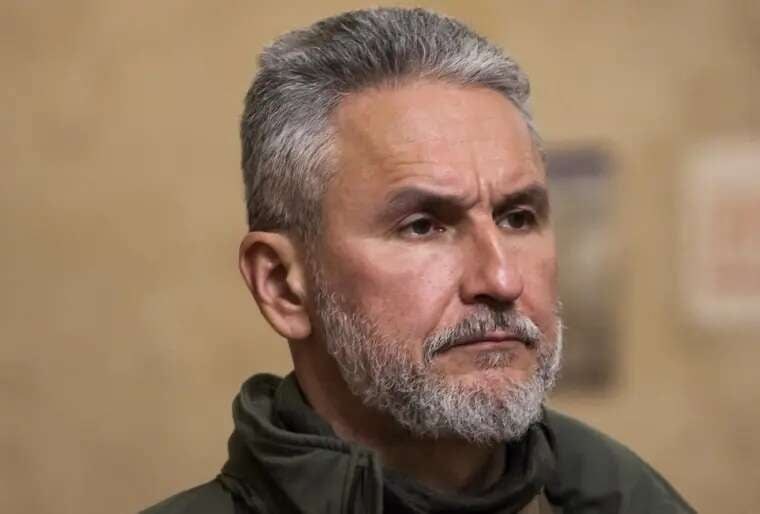
Military medic Hennadii Druzhenko stated that his transfer to the Rubizh brigade is linked to his public criticism of the state leadership's actions.

A resident of Lviv region received $200 for registering an agricultural company used to convert non-cash funds into cash.

The Belgian Prime Minister stated that financing military operations in Ukraine requires enormous funds, which will soon run out.

Natalia Tarasova retained her mandate despite obtaining a Russian document and registering a company in the occupied zone, as the party cannot convene a conference to recall her.
The court found a 33-year-old man who arrived from Lviv region guilty of violating Part 2 of Article 205-1 of the Criminal Code of Ukraine. The defendant was sentenced to three years of imprisonment. The court also established a probation period of one year.
In addition, for the next three years, the man will be prohibited from holding managerial positions, as well as occupying positions related to the performance of administrative and business functions.
According to materials provided by detectives of the Bureau of Economic Security (BEB), the defendant agreed to become the formal head of an agricultural company in exchange for monetary compensation. He received 200 US dollars for registering the enterprise in his name.
The man handed over his personal documents and signed registration papers containing false information. After registration in Odesa, the company's charter specified activities in the cultivation of grain and oil crops. However, in reality, the convicted man had no involvement in the business: he did not make managerial decisions, did not sign commercial agreements, did not dispose of bank accounts, and did not keep financial records. All these functions were performed by third parties.
Law enforcement officers established that the agribusiness registered in this manner became a tool for tax evasion. It was used to convert non-cash payments into cash for the benefit of other companies that conducted real business activities.
Investigative actions regarding other individuals involved in using this firm in the financial scheme are ongoing in a separate criminal case.
Previously, BEB detectives uncovered a tax evasion scheme involving a sum of almost 42 million hryvnia. According to investigation data, the company purchased agricultural products in cash, but the documents listed as suppliers enterprises that did not actually make these deliveries. As a result, the state budget failed to receive a significant portion of corporate income tax and VAT.
Comments
No comments yet. Be the first!