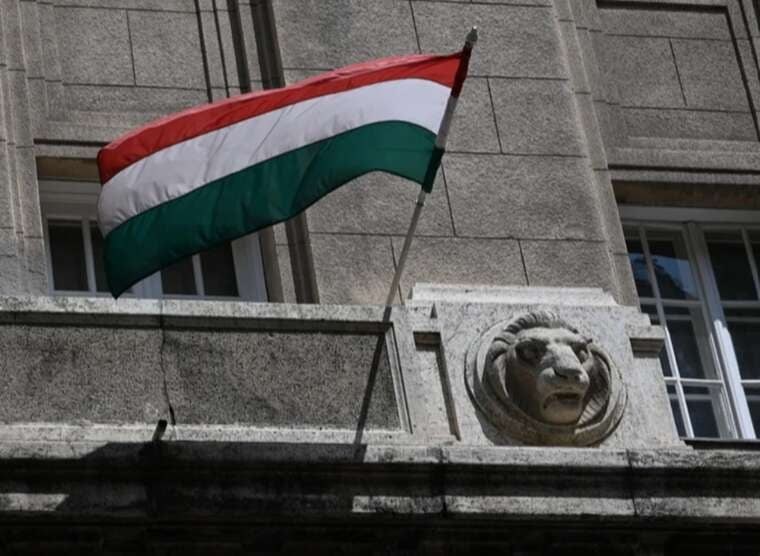
Verkhovna Rada approves expansion of EU languages' rights in education
Parliament supported a bill expanding the rights of Hungarian and other EU languages in the education sector.
Parliament supported a bill expanding the rights of Hungarian and other EU languages in the education sector.
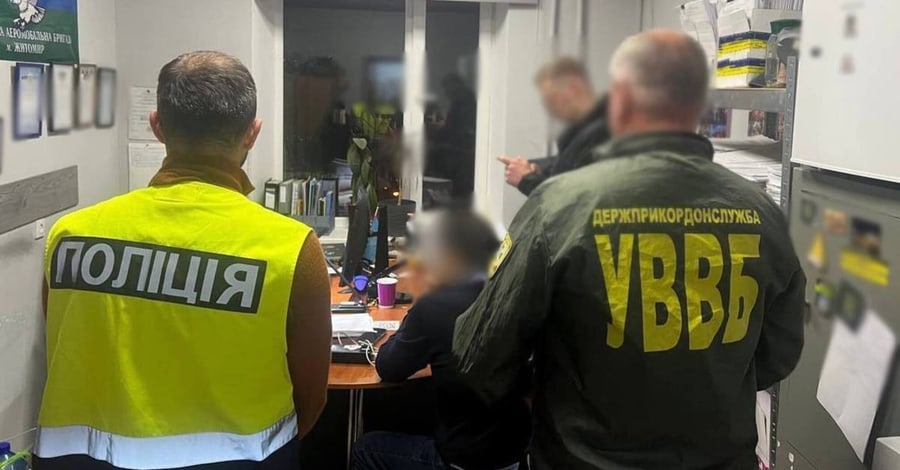
Investigation established that the city councillor controlled the production and supply of over 260,000 non-compliant heating devices for border guards worth 5.4 million UAH.
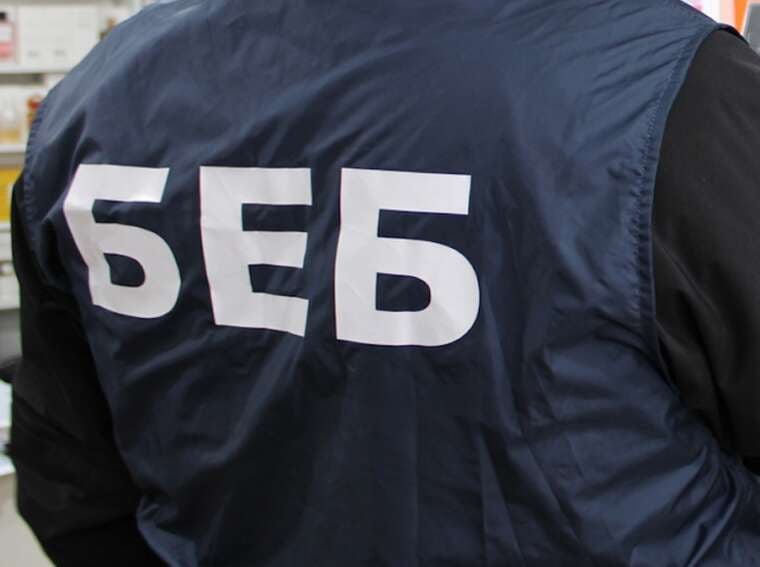
The BEB established that between 2022 and 2023, fictitious methanol supplies were processed through "transit" companies in the Poltava region. The budget lost over UAH 5 million in tax revenue.
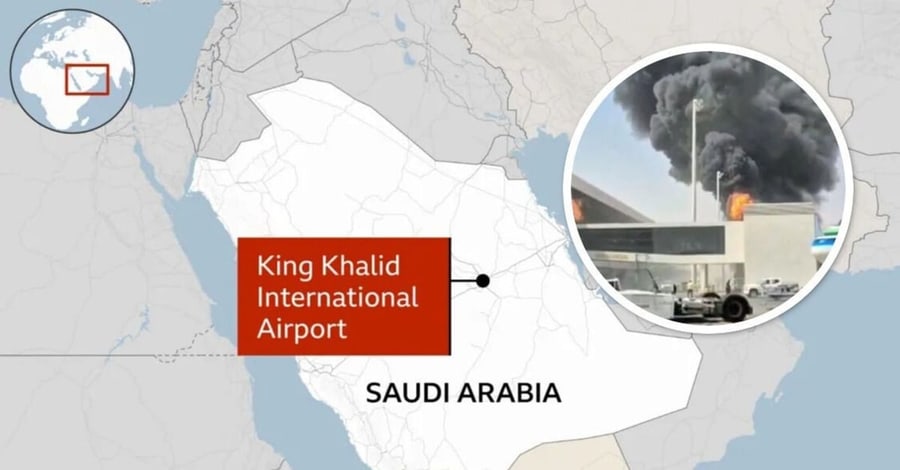
Houthis have taken responsibility for a series of missile strikes on the airport in the Saudi capital, resulting in deaths and disruptions to the international hub.
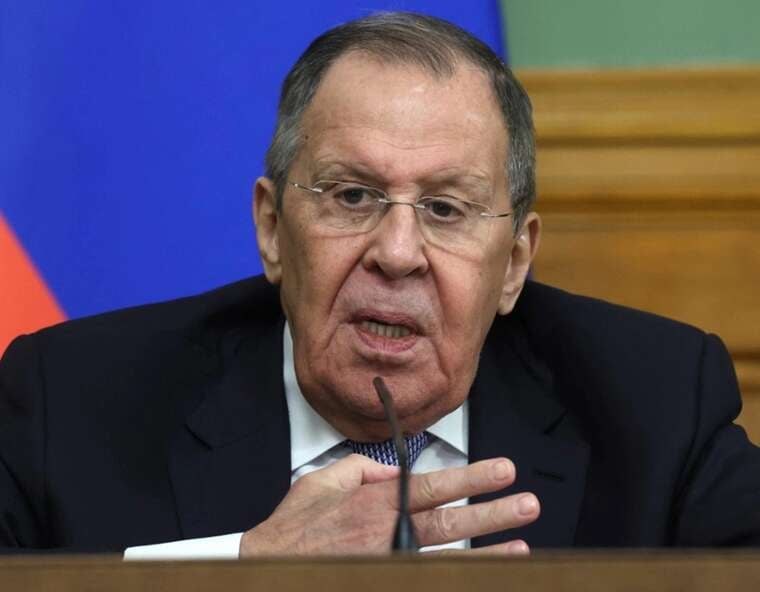
Russian Foreign Minister Sergey Lavrov stated that Moscow will not give Ukraine a breather on the battlefield, citing that it will not be swayed by the Ukrainian leader's assurances.
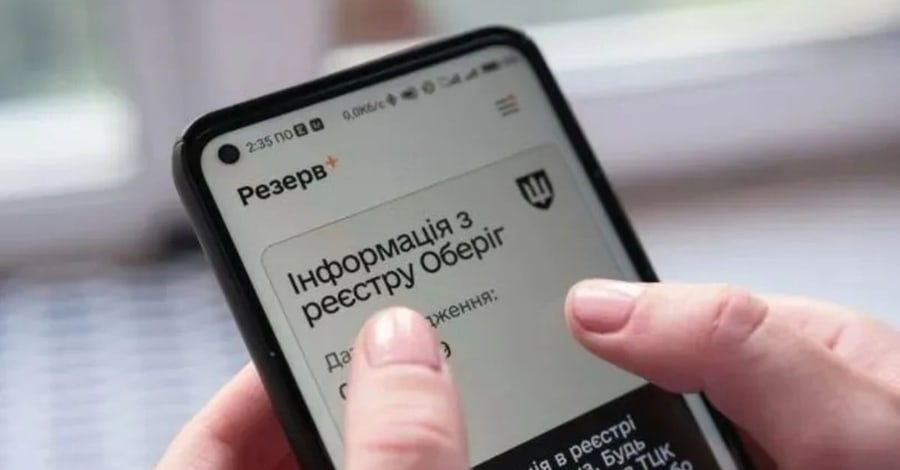
In October 2026, reaching the age of 50 is not an automatic ground for exemption from conscription, although the law provides a list of social and medical circumstances for obtaining a deferment.
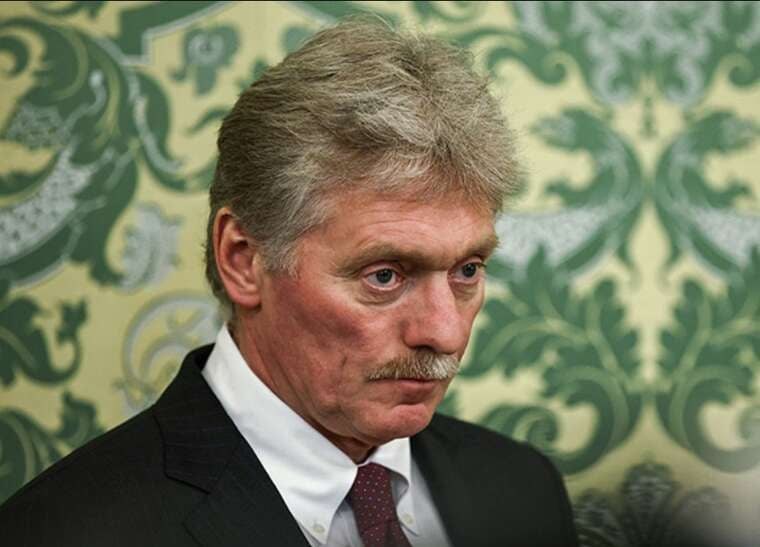
Kremlin spokesman explained why Russia does not agree to the two-month ceasefire proposed by Zelensky, limiting the possibility of a pause to voting day only.
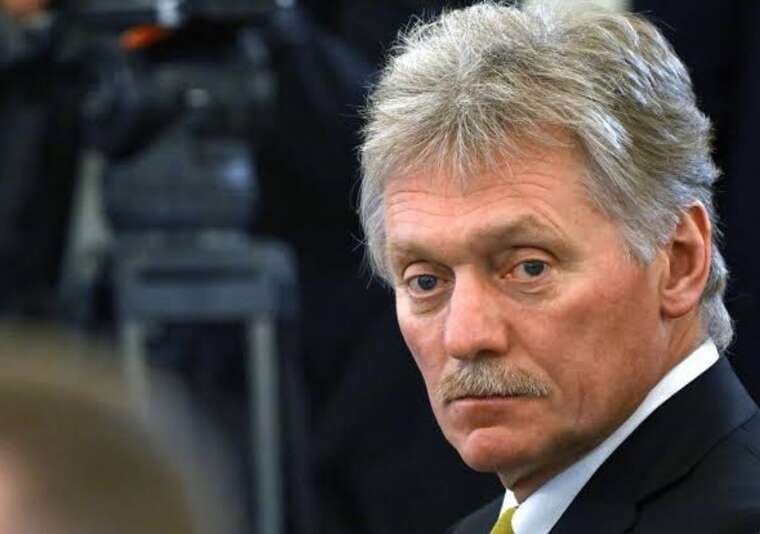
Russian officials rejected Volodymyr Zelensky's proposal for a 60-day ceasefire, stating the priority is creating a long-term peace.
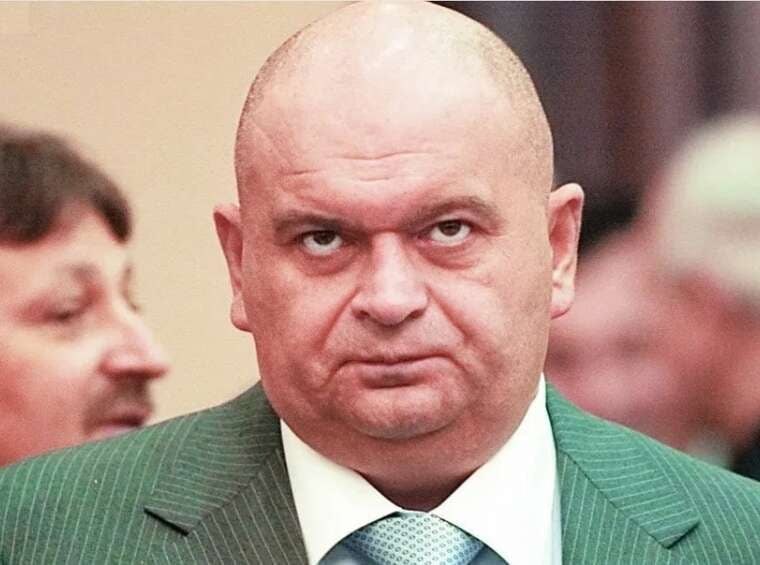
An investigation into the seizure of state oil and gas resources is ongoing in Lviv Oblast. The Security Service of Ukraine (SBU) is examining schemes through which companies, whose ultimate beneficiaries are the daughters of former Environment Minister Mykola Zlochevsky, gained access to the Stynava field. Estimates suggest that annual losses from such actions may exceed one billion hryvnia.
The story dates back to the presidency of Viktor Yanukovych, when a company linked to then-Environment Minister Mykola Zlochevsky obtained a licence to develop the Stynava field. The licence was later cancelled, and extraction rights were to be put up for a state auction. The state company Ukrnafta attempted to hold the tender, but it suddenly emerged that the boundaries of the Stynava field partially overlap with those of the Semiginiv field.
The special permit for the use of the subsoil of the Semiginiv field belongs to Pari Naftogaz LLC, which is controlled by Mykola Zlochevsky's daughters, Anna and Karina. The key issue is that the current version of the Pari Naftogaz licence, issued in July 2022, does not specify the depth boundaries of the plot. Meanwhile, the productive horizons of the two fields are located at different depths: for the Stynava field, this is 2,800–3,600 metres, and for the Semiginiv field, 3,605–4,540 metres. The difference between them is only five metres.
The absence of a depth limit in the Pari Naftogaz permit allows it to be interpreted as a right to extract minerals throughout the entire vertical column of the subsoil under the adjacent territory. This poses a threat to state interests, as the company could formally claim resources belonging to another field.
A detailed analysis of court documents, in particular the ruling of the Supreme Court of 18 December 2025 in case No. 320/35831/24, sheds light on corporate manoeuvres surrounding these assets. Formally, this is a tax dispute between Pari LLC and the tax authority, but the text of the decision describes the transfer of special permits and the purchase of seismic survey results.
It was established that on 17 September 2021, a new legal entity, Pari Naftogaz LLC, was spun off from Pari LLC. The new company was transferred special permit No. 5398 for the use of the subsoil of the Semiginiv field, issued on 25 October 2011. Pari Naftogaz LLC was registered on 7 December 2021. According to open data, the company's director is Andriy Pavliv, the founder is Cypriot Semigin Holdings Limited, and the ultimate beneficiaries are Anna and Karina Zlochevsky.
Even before the spin-off of the new company, on 30 March 2021, Pari LLC signed a contract with Geounit to conduct seismic exploration works to clarify the geological structure of the plot. After the permit was transferred to Pari Naftogaz, the results of these studies were formalised separately: on 9 January 2023, a contract No. 15-K/P was signed between Pari LLC and Pari Naftogaz LLC for the transfer of documented results of seismic data interpretation and the construction of a structural model of the field.
This separation indicates that geological information and the right to use the subsoil became subjects of separate legal operations. This raises doubts about whether the actual use of this data complies with the boundaries and conditions of the special permit, especially considering the proximity to the Stynava field.
The same court document describes the relationship between Pari LLC and the company Binergo regarding the development of the Pylipiv gas field. On 16 July 2018, the parties signed a production cooperation agreement, which provided for joint drilling and operation of wells. Initially, profits were split equally, but a supplementary agreement of 2 August 2023 changed the proportion: from 16 October 2023 to 15 October 2024, Pari's share was 30%, and Binergo's was 70%. After 16 October 2024, the 50-50 proportion was restored.
An interesting historical aspect is the licensing of the Pylipiv field. In 2011, Pari obtained special permit No. 5384 for gas extraction. In 2016, the Specialised Anti-Corruption Prosecutor's Office (SAP) attempted to annul this licence due to a violation of the approval procedure with the Ivano-Frankivsk Regional Council. However, in June 2017, the Higher Administrative Court of Ukraine refused the lawsuit due to the expiration of the limitation period for filing a claim. The permit remained valid.
A similar situation occurred earlier: the prosecutor's office lost an appeal regarding the annulment of four other special permits issued to Pari LLC, as well as to Tehnorezurs LLC and Nadragaz LLC (also companies linked to Zlochevsky). The reason was the same—missed deadlines for filing lawsuits.
The tax case also features a dispute over gas prices. The tax authority claimed that in 2019–2023, Pari LLC sold natural gas at prices below market rates, which led to an understatement of the financial result by 465.18 million hryvnia. Courts, including the Supreme Court, did not support the tax authority's position, deeming the company's actions lawful. At the same time, this episode illustrates the scale of financial operations in the Zlochevsky family's extraction business.
The financial statements of Pari Naftogaz LLC demonstrate dynamic changes. For 2025, the company's assets amounted to 174.5 million hryvnia, liabilities to 217.9 million, and net loss to 12.5 million. For 2026, significantly changed indicators are noted: assets increased to 417.8 million hryvnia, liabilities to 501.3 million, and the loss for the period was 40 million hryvnia. The origin of funds for financing geological exploration works and the reasons for the increase in assets require further examination by state authorities.
Returning to the main issue, the version of "forgetfulness" by officials when formalising the licence for the Semiginiv field appears unlikely. The protocol of the State Commission on Reserves of Useful Minerals clearly defines the interval of deposits of the Semiginiv field as 3,605–4,540 metres. However, the text of the current permit form lacks a depth limit.
The five-metre difference between the horizons does not prove the absence of geological connections between the deposits. If the lower boundary of the plot is not defined, an unreasonably broad interpretation of the rights of the private subsoil user arises. This creates a risk that the discrepancy between the geological justification and the text of the licence will be used to seize resources of the state Stynava field. The SBU continues to investigate these circumstances.
Comments
No comments yet. Be the first!