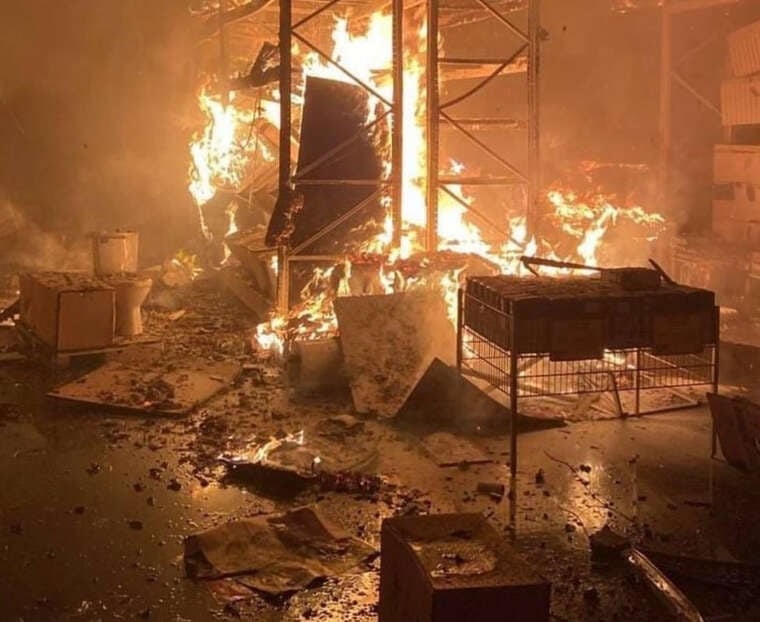
Building hypermarket OLDI suspended operations in Zhytomyr following enemy shelling
The facility was temporarily closed after the attack. Information on the extent of damage and the date of resuming operations has not yet been released.
The facility was temporarily closed after the attack. Information on the extent of damage and the date of resuming operations has not yet been released.
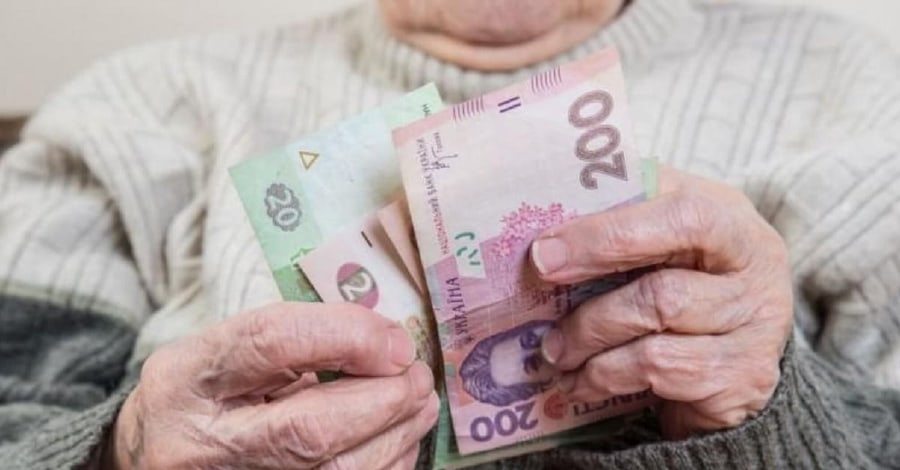
The government has approved a UAH 19,400 payment for vulnerable households in frontline zones. No official announcement has been made regarding a general UAH 1,000 payment for 2026.

Rinat Akhmetov's business group consulted with the state for a long time regarding the privatisation of OPP, but the auction did not take place again due to the absence of buyers.
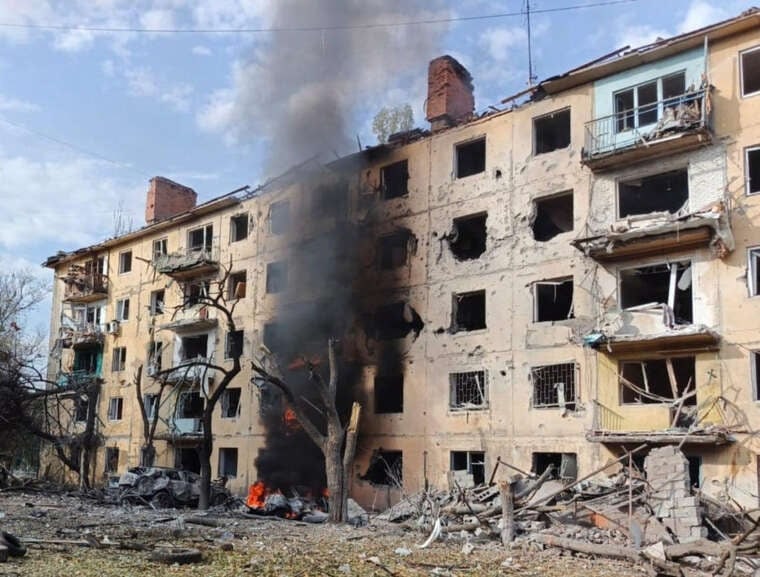
The prosecutor's office reported that three people were killed in the morning shelling of Kramatorsk. The circumstances of the attack and the presence of injured are being established.
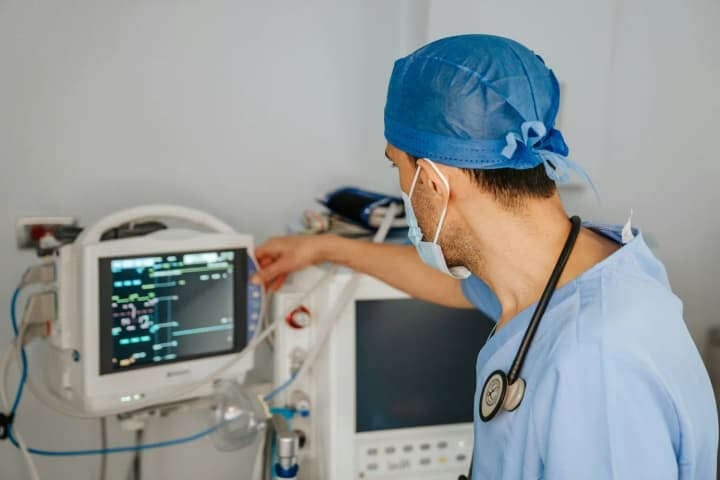
Viktor Lysak reported that despite allocated funds, some medical facilities lack the necessary fuel reserves, autonomous water supply, and ready shelters.
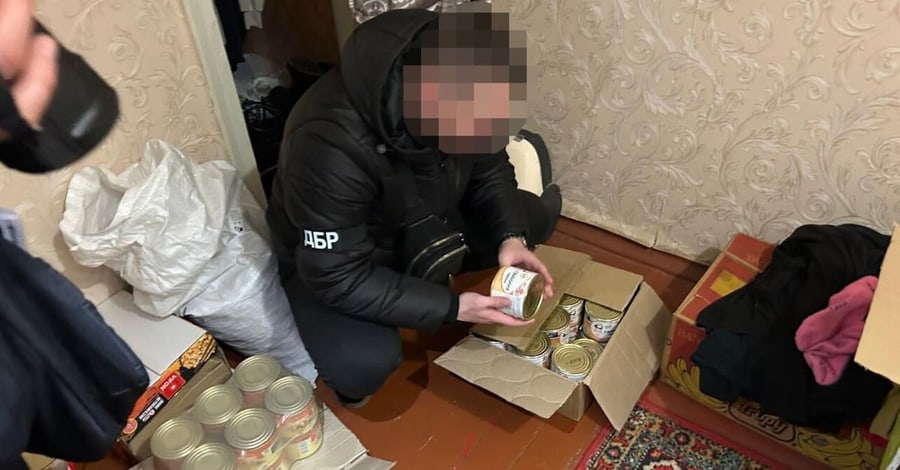
The SBI has notified two military officials of suspicion, who received food based on inflated invoices and sold it to civilians.

Documents reveal links between a Polish sole proprietor and Ukrainian LLCs that received state contracts for equipment supply. Who actually controls this network remains an open question.
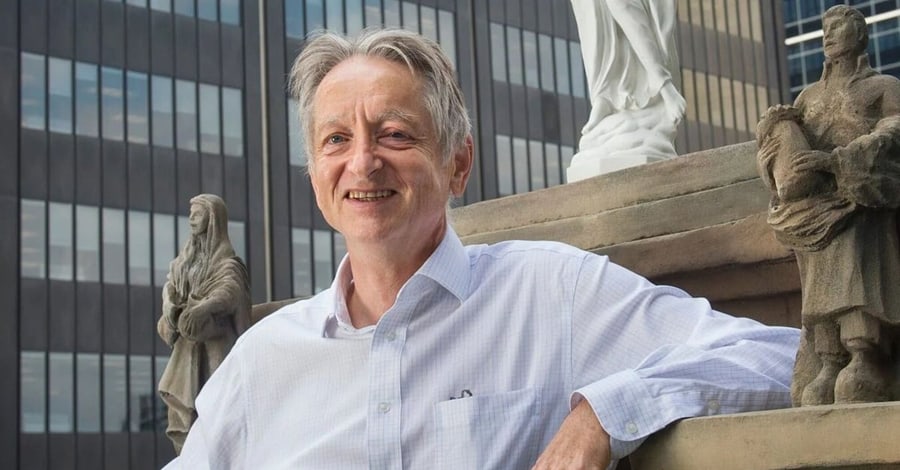
Nobel laureate Geoffrey Hinton warned that modern neural networks may exhibit signs of consciousness, and their further development poses risks in the form of cyberattacks and biological threats.

The primary source of anxiety for the population of Poland proved to be economic rather than security-related factors. According to sociological research data, residents of the country fear the rising cost of food and utility services significantly more than a possible direct military attack on their state.
The results of the survey conducted by United Surveys by IBRiS on behalf of Wirtualna Polska were published on 17 October 2026. Data collection took place from 2 to 4 October 2026. The study involved 1,000 respondents.
Participants were asked which threats they feared most over the next six months. Each respondent had the opportunity to select up to three answer options, so the total sum of percentages exceeds 100%.
The most common fear was the possible price increase of food and other everyday consumer goods — as 40.7% of those surveyed answered. In second place were high heating and electricity bills, which worried 39.2% of respondents.
The third spot in the ranking was taken by problems with access to medical care, which were noted by 34.3% of the study participants.
Among other significant threats, Poles highlighted:
A possible military attack on Poland is feared by 19.1% of those surveyed. The fear of losing a job or suffering a reduction in income was shared by 17.1% of the survey participants. Natural disasters became the least common fear among the proposed options — they were mentioned by 7.2% of respondents.
It is worth noting that these figures do not indicate societal indifference to security issues. In particular, almost 30% of citizens expressed concern over possible sabotage and diversionary attacks. This indicator is noticeably higher than the percentage of those who fear a direct military attack.
Researchers emphasise that the obtained results reflect the personal fears of respondents, not the objective probability of the listed threats occurring.
Comments
No comments yet. Be the first!