
Trump reports record oil price drop and Iran's desire to sign a deal
US President Donald Trump claims that American forces are easily defeating Iran, while oil prices have experienced the largest single-day decline in history.
US President Donald Trump claims that American forces are easily defeating Iran, while oil prices have experienced the largest single-day decline in history.
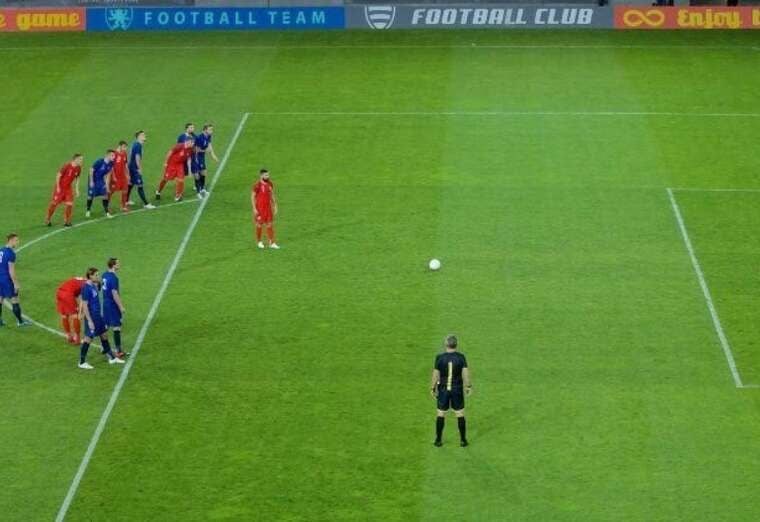
Tenerife forward Jesus de Miguel lost consciousness after Andorra goalkeeper struck him in the chest with his knee. His heart stopped en route to the hospital.
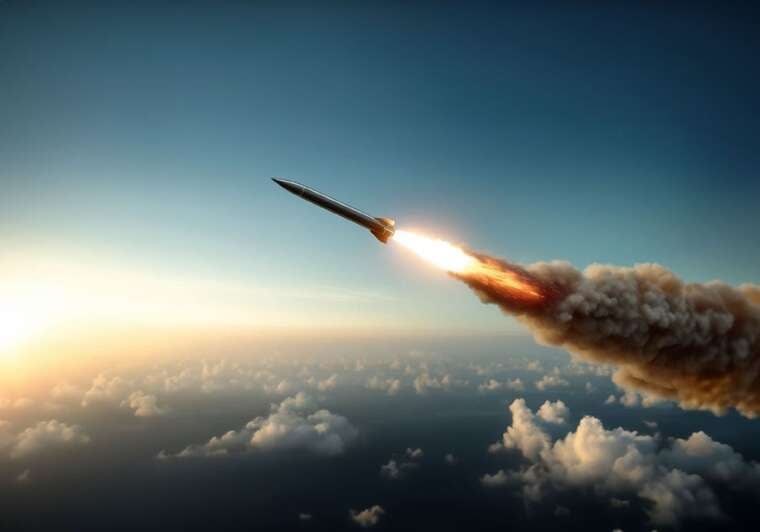
Monitoring channels warn of the threat of mass use of Russian Federation weapons. Up to 40 ballistic missiles and Kalibr cruise missiles from the Black Sea are expected.

Militants have reached within 80 km of Aden, their closest approach to the city since spring 2015. This poses a threat to government forces in the Bab el-Mandeb Strait area.
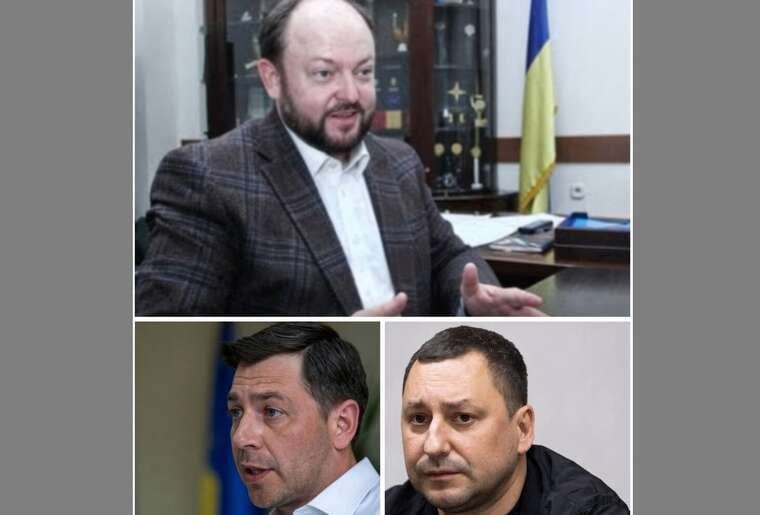
The state enterprise's supervisory board is expected to name the contest winner in the first half of November. Main contenders compete for control over one of the largest state assets.

During protests in Petropavlivska Borshchahivka, Budonov personally dispersed the crowd and helped clear a path for a bus by pushing a police car.

All districts of Zhytomyr were left without electricity following a Russian strike on a key energy facility.

Commander of the 1st Corps of the National Guard of Ukraine "Azov", Denis Prokopenko, stated that projecting a negative image of the military through incidents in Petropavlivska Borshchahivka serves Russia's interests.

For foreigners choosing Germany as their permanent place of residence, approaches to obtaining citizenship have changed. Applicants can now apply for a passport only after five years of legal residence in the country. However, the duration of residence is just one of the conditions: candidates must also demonstrate language proficiency, financial independence, and compliance with other legal norms.
Current information on naturalisation conditions is available on the official information portal of the German government.
The standard minimum period of residence for obtaining German citizenship is currently five years. Historically, there was an option to use an accelerated procedure: foreigners demonstrating exceptional integration success could submit documents after just three years of residence.
However, from 30 October 2025, this simplified option has been eliminated. From this date, the single five-year term for standard naturalisation applies again to all applicants.
To be eligible for a German passport, an applicant must generally meet the following list of criteria:
Separate rules apply to Ukrainian citizens residing in Germany under the temporary protection programme. A residence permit under Section 24 of the Residence Act does not, in itself, allow one to undergo the standard naturalisation procedure. To initiate the process, it is necessary to obtain another appropriate permit, for example, based on employment.
However, the period of legal residence under temporary protection can be counted towards the required five years after transitioning to an appropriate migration status. Thus, Ukrainians who arrived in Germany in the spring of 2022 may potentially meet the residence duration requirement by the spring of 2027. However, this does not mean automatic acquisition of citizenship.
The standard fee for naturalisation is 255 euros per person. A reduced rate—usually 51 euros—is provided for minor children without their own income who are processed together with their parents.
Additional costs may arise for language certificates, testing, and document preparation.
Processing an application can take 18 months or longer. The final decision is made by the competent authority after reviewing all circumstances and submitted documents.
As previously noted, Ukrainians in Germany have the opportunity to transition from temporary protection to other legal grounds for residence. In particular, appropriate permits are available under conditions of employment, entrepreneurial activity, or family reunification.
Comments
No comments yet. Be the first!