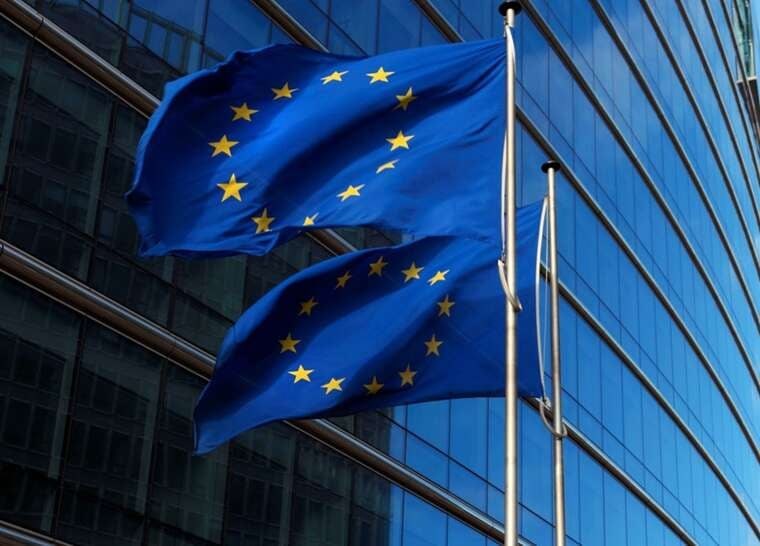
The European Union may face a significant shortage of natural gas during the 2026–2027 heating season. Analysts estimate that the total deficit in energy carriers could reach 14 billion cubic metres, which is approximately 7% of the bloc's aggregate demand.
Consequences of the conflict in the Middle East
As reported by Politico, citing data from energy grid operators and a specialised institute, the main cause of this situation is the continuation of the war in Iran, which is destabilising global energy supply chains. According to a report by the US think tank Institute for Energy Economics and Financial Analysis (IEEFA), the lost volumes of gas would have been sufficient to generate electricity consumed by 10–12 million European households.
IEEFA experts note that gas prices have already reached their highest level in nearly four years. If the coming winter is as cold as the previous one, Europe's supply capabilities will be very limited.
Risks to strategic reserves
Although the complete depletion of stocks is not inevitable, the situation poses serious threats. Available gas reserves could decrease by 7 billion cubic metres. This may force countries either to buy energy carriers at inflated prices on unstable markets or to require consumers to reduce demand if new supplies cannot be organised.
Similar risks are confirmed by a forecast from the European Network of Transmission System Operators for Gas (ENTSO-G), published on Thursday. The document states that if liquefied natural gas imports are limited or even "optimal" in the conditions of a cold winter, the storage fill level could drop to 11%. This is the minimum threshold required for strategic reserves, which cannot be easily used.
ENTSO-G warns that to restore stocks to the regulatory 30% by the end of the winter period, countries will have to either reduce consumption or leave some consumers without supplies equivalent to 7% of total demand. Otherwise, the vulnerability of the energy system to future cold spells will increase significantly.
Impact of the ban on Russian LNG
An additional factor pressuring the EU energy market will be the upcoming pan-European ban on long-term contracts for the supply of Russian LNG. This provision is set to enter into force in January. According to IEEFA, its implementation will lead to an additional reduction in gas imports to Europe by 7 billion cubic metres.
Analysts emphasise that Russian gas has historically been used to compensate for "demand fluctuations" during the winter.



Comments
No comments yet. Be the first!