Third-quarter financial results
British luxury car manufacturer Aston Martin has released its financial reports for the third quarter of 2026. According to the data, the company's pre-tax loss stood at £77.1m, significantly lower than the figure for the same period last year of £111.9m. Meanwhile, total revenue increased by 36% to reach £388.7m. Gross margin improved from 29% to 37.4%, and adjusted EBITDA rose from £10.7m to £69.9m. Free cash outflow decreased from £94m to £27.6m.
However, the company's financial position remains strained: net debt reached £1.572bn. Calculations show that since Canadian billionaire Lawrence Stroll entered the brand's capital in 2020, accumulated losses have reached approximately £2.3bn.
Hybrids drive revenue, core lineup loses market
The key driver of growth was the Valhalla Coupe — the marque's first mid-engine plug-in hybrid, priced from £850,000. Over nine months, the company delivered around 350 of these supercars, maintaining its intention to bring this figure to 500 units by the end of the year. In the third quarter, 127 special models were shipped, compared with just two a year earlier.
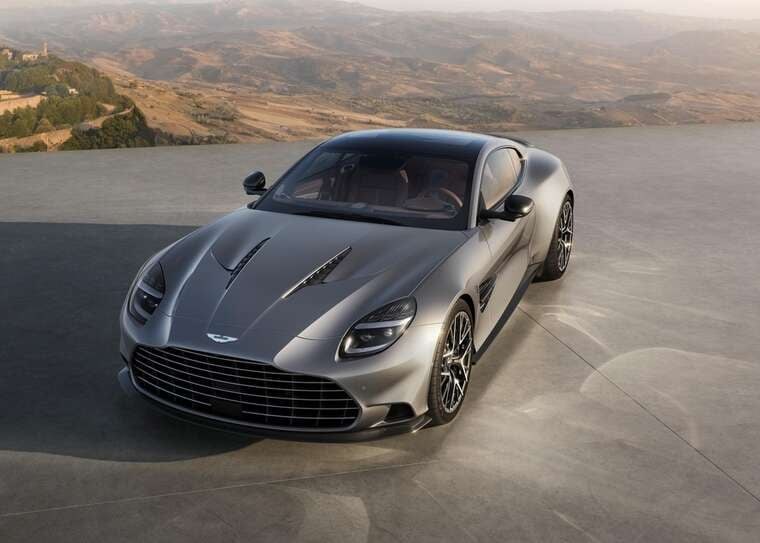
An opposite trend is observed in the core product range. Sales of the DB12, Vantage, Vanquish, and DBX models fell by 9% — from 1,428 to 1,304 cars. Total quarterly deliveries remained stable: 1,431 versus 1,430 cars last year. Over the nine-month period, total sales increased by 12% to reach 3,762 units, while revenue rose by 38% to £1.017bn. The average car price jumped by 25% to £243,000, although for standard models it remained almost unchanged — £185,000 versus £186,000. Analysis of the London Stock Exchange report dated 28 October indicates that revenue growth was driven primarily by expensive limited editions.
Rising debt servicing costs
Over nine months, gross profit grew by 71% to £358m, and margin increased from 28.3% to 35.2%. Adjusted EBITDA surged from £7.7m to £132.6m. However, improvements in production metrics are accompanied by a jump in debt servicing costs: adjusted net finance expenses rose from £65m to £149m, and adjusted pre-tax loss widened from £237m to £283m.
The reported loss decreased from £252.7m to £231.3m, partly explained by income of £47.7m from the sale of naming rights for the Aston Martin team in Formula 1. Free cash outflow over nine months was £225.2m, compared with £415m a year earlier.
Debt burden and future plans
Despite improvements in operating metrics, the company's net debt increased by almost £192m since December 2025. In July 2026, Aston Martin raised £550m in debt financing, which included a secured loan of £450m and an additional credit line of £100m at a rate of SONIA plus 6.75 percentage points, with a maturity date in 2031. Cash reserves reached £321.6m. The leverage ratio fell from 12.8 to 6.7 due to EBITDA growth, rather than a reduction in debt itself. The company forecasts cash interest payments of around £160m for 2026, compared with £143m in 2025.
Chief Executive Officer Adrian Hallmark confirmed the annual forecast: deliveries of approximately 5,448 cars are expected, with a gross margin of around 40%, capital expenditure of £300m, and further reduction in cash outflow. The brand has already unveiled the Valhalla Spider (deliveries to begin in the third quarter of 2027) and the Valen model (launch planned for the second quarter of 2027). While core models are selling more slowly, Aston Martin is funding production and servicing of nearly £1.6bn in net debt through revenue from limited editions worth hundreds of thousands of pounds.








Comments
No comments yet. Be the first!