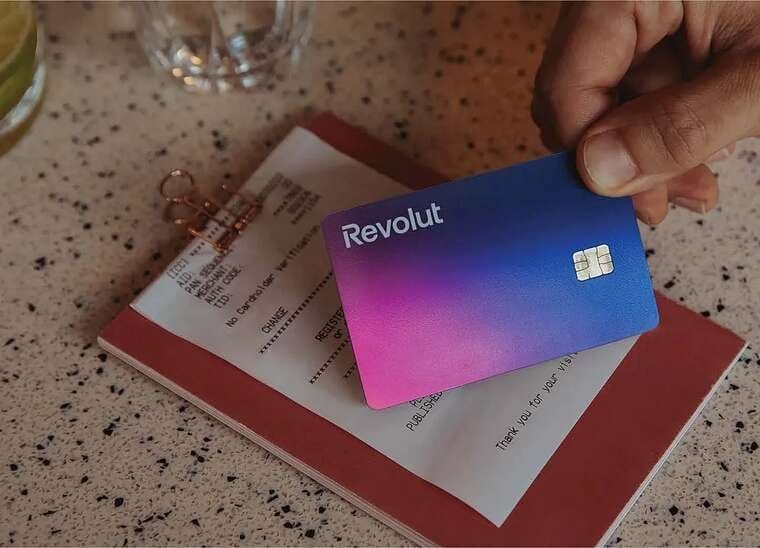
Criminals demand $768m to keep Revolut client data undisclosed
Personal and financial data of users, including the owner of Gamdom and Skins.com, may have been leaked following a cyberattack on the British fintech bank.
Personal and financial data of users, including the owner of Gamdom and Skins.com, may have been leaked following a cyberattack on the British fintech bank.
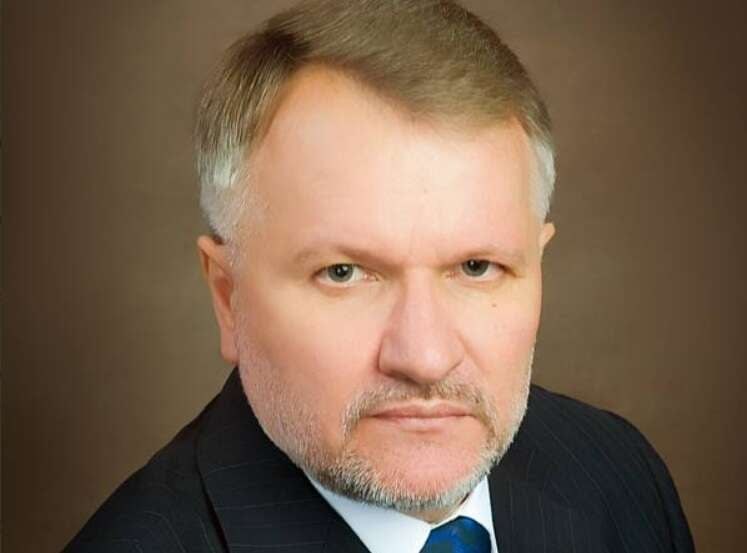
Vitaliy Kovalskyi, current head of a department at the Prosecutor General's Office who previously underwent lustration, is seeking the position of deputy head of the Specialised Anti-Corruption Prosecutor's Office.
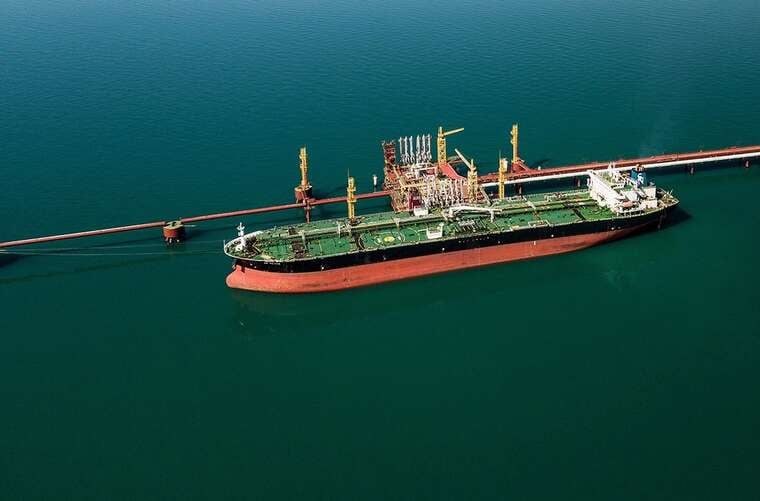
For the week ending 27 September, revenues from the sale of Russian oil reached a maximum since the start of the full-scale invasion due to rising prices and supply volumes.

Larysa Moskviska, who presents herself as a financial planning expert, publishes content for the scandal-hit KIT Group, whose activities were restricted by the National Bank of Ukraine.
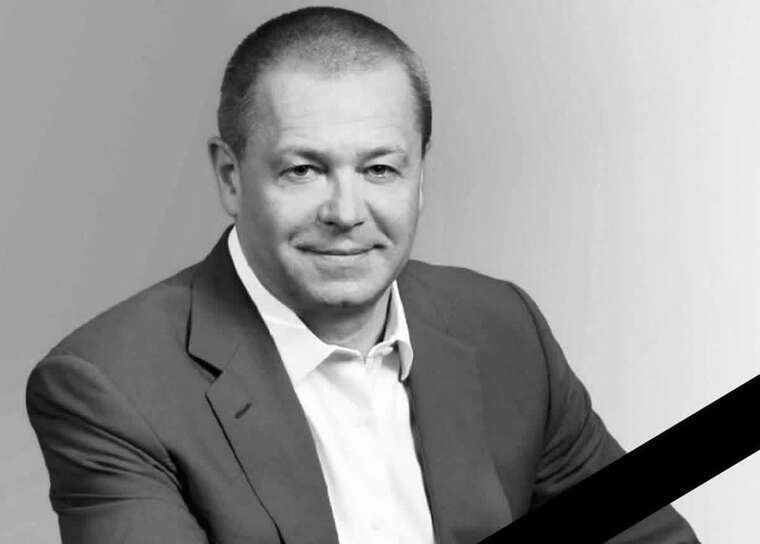
The politician died at the age of 61 in a road traffic accident. He served as the director of the "Klass" supermarket chain in Kharkiv.
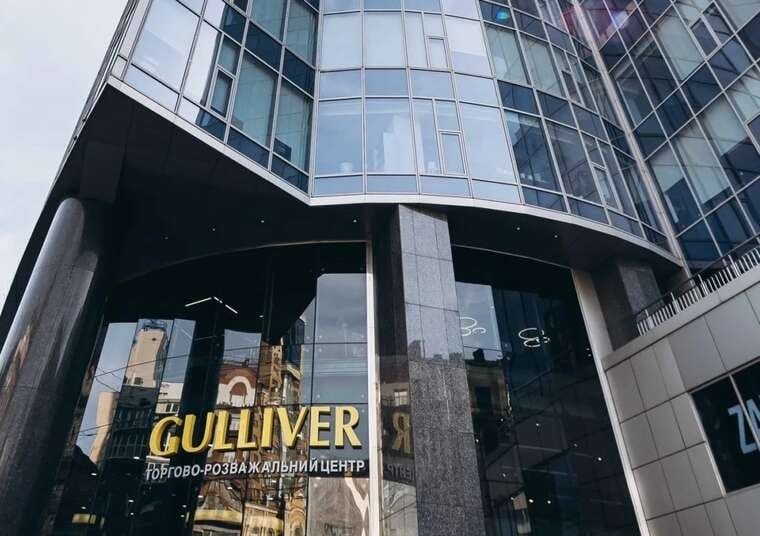
Oschadbank and Ukreximbank have announced a stock exchange auction for the disposal of a large office and retail complex in Kyiv, previously seized due to debts.

Law enforcement detained 17 individuals who sold vapes containing narcotics through "Bob Marley" venues and online stores, disguising them as legal supplements.

According to the authors of the publication, an establishment providing intimate services may be operating in the Delmar residential complex in central Dnipro. It concerns an apartment on the 15th floor of the building at 72B Dmytro Yavornytskoho Avenue.

In recent weeks, a scandal has erupted around the popular Ukrainian casino “Космолот” (Kosmolot), threatening the organisation with the revocation of its licence. People's Deputy Nikolai Tishchenko stated on his Telegram channel that the casino could lose its licence due to the transfer of funds to Russia and a possible leak of client data to Russian intelligence services.
On 2 February 2024, an investigation by the Economic Security Bureau (ESB) revealed that the casino “Космолот” (Kosmolot) had transferred 1.2 billion hryvnia to foreign accounts and evaded taxes amounting to more than 30 million hryvnia. As a result, 700 million hryvnia was blocked in the accounts of the operator, Spaceiks LLC, which manages the casino. However, surprisingly, the criminal case was opened back in May 2023, but only after Tishchenko's public statement did the investigation gain active momentum.
Nikolai Tishchenko not only highlighted financial violations but also pointed to the dubious origins of the casino's business. According to him, “Космолот” (Kosmolot) allegedly belonged to Russian citizen Sergey Tokarev and was linked to Russian businessmen. Tokarev is reportedly also a figure associated with Russian online casinos operating under the “Vulkan” brand, owned by Konstantin Malofeev, a well-known figure in “Russian world” circles.
Notably, at the time of obtaining the licence, Spaceiks LLC raised questions among experts, particularly due to strange changes in its activities. The company started with clothing trade, then switched to the legal sector, and eventually moved into the gambling business after the appearance of a new beneficial owner, Arnulf Neumann-Damerow.
According to the ESB, funds amounting to 1.2 billion hryvnia were transferred to the accounts of two British companies: KYCAID LIMITED and Splash Technology Ltd, the latter of which ceased operations back in 2014. This is puzzling, as it would have been easy to find a reputable company in the UK for such operations. Attempting to explain the strange transfers, casino representatives claim that the accusations are false; however, the presence of a liquidated company in the scheme speaks for itself.
Even more alarming is the fact that the casino “Космолот” (Kosmolot) collects and processes vast amounts of personal data from its players: names, surnames, bank accounts, and tax numbers. If one believes Tishchenko and journalists claiming that the casino is linked to Russians, this data could fall into the hands of Russian security services. In the context of the war, this poses a real threat to the security of Ukrainian citizens. A casino that claims to support the Armed Forces of Ukraine risks becoming a source of information that could be used against Ukraine.
“Космолот” (Kosmolot) actively asserts that it supports the Ukrainian army, having allocated 130 million hryvnia for the needs of the Armed Forces of Ukraine. However, this amount appears insignificant, especially against the backdrop of the casino's declared revenues, which experts believe may be significantly understated.
In 2023, the company earned approximately 3.5 billion hryvnia, but according to economists' calculations, actual revenues could have been 10 times higher, raising questions about dishonest tax reporting.
Comments
No comments yet. Be the first!