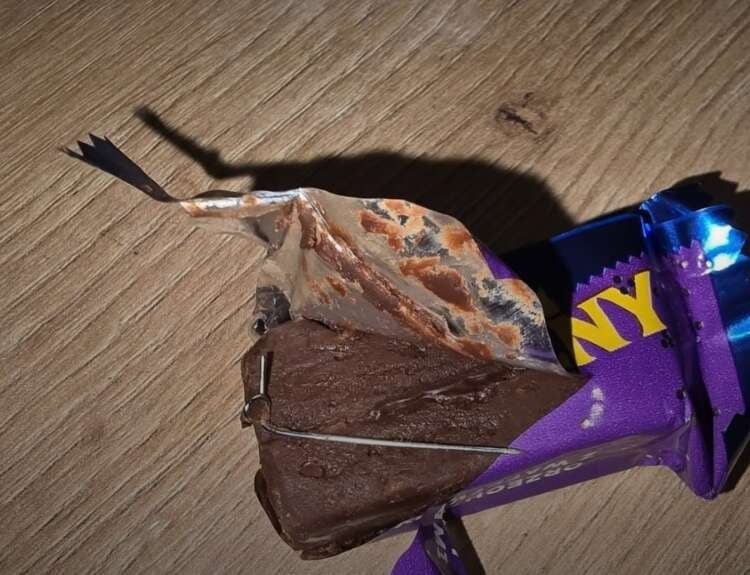
After Halloween in Poland, parents find needles and metal objects in children's sweets
Polish parents have reported dangerous finds in sweets collected by children on Halloween. Police have confirmed only some of the reports.
Polish parents have reported dangerous finds in sweets collected by children on Halloween. Police have confirmed only some of the reports.
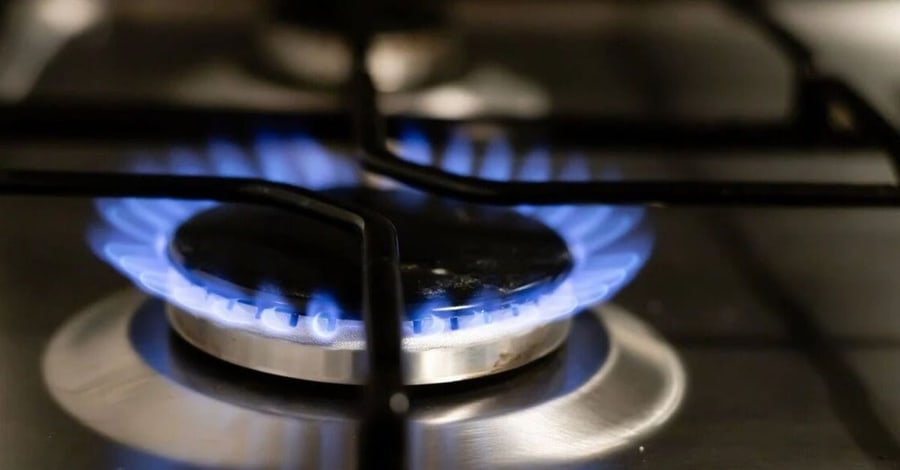
Despite the approaching heating season, the cost of a cubic metre of natural gas for domestic consumers will not change. However, bills may rise due to increased consumption.
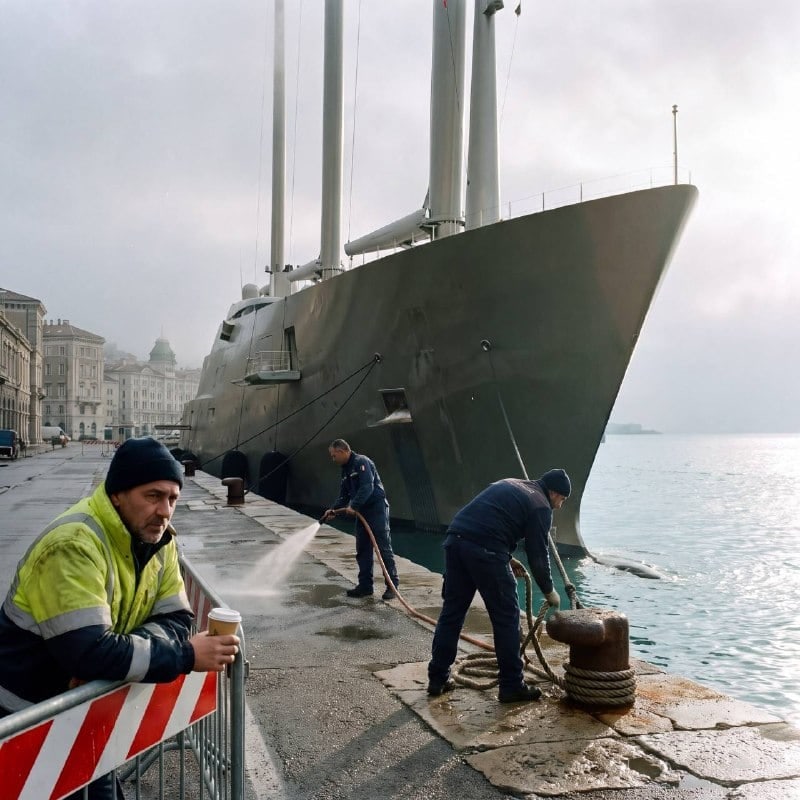
Most of the blocked funds belonging to Russian oligarchs remain in a state of legal uncertainty, and their maintenance generates significant costs for the holding countries.
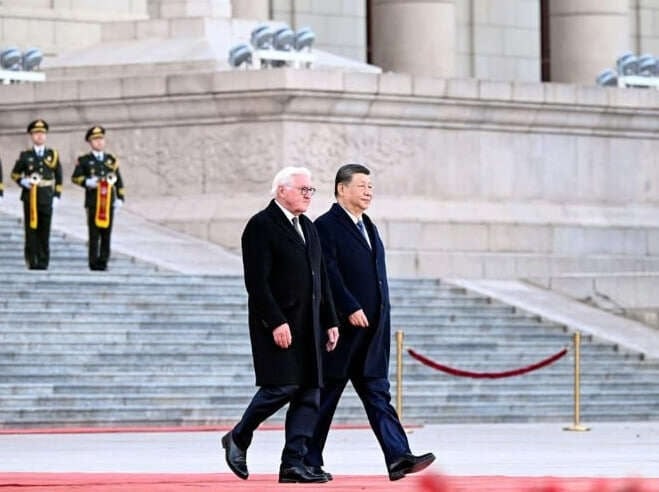
German President spoke about meeting in Beijing where Chinese leader stated that war in Ukraine is a European conflict.

US President stated he would deliberately obstruct lawmakers' activities in the event of a Democratic victory in the vote.
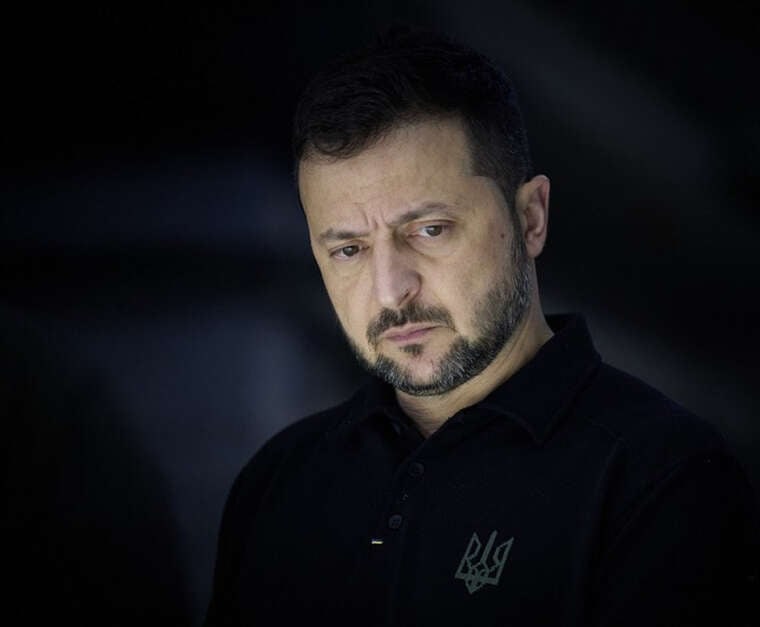
Ukrainian President emphasised that dialogue on security guarantees is only possible after the end of the war and the provision of state protection.
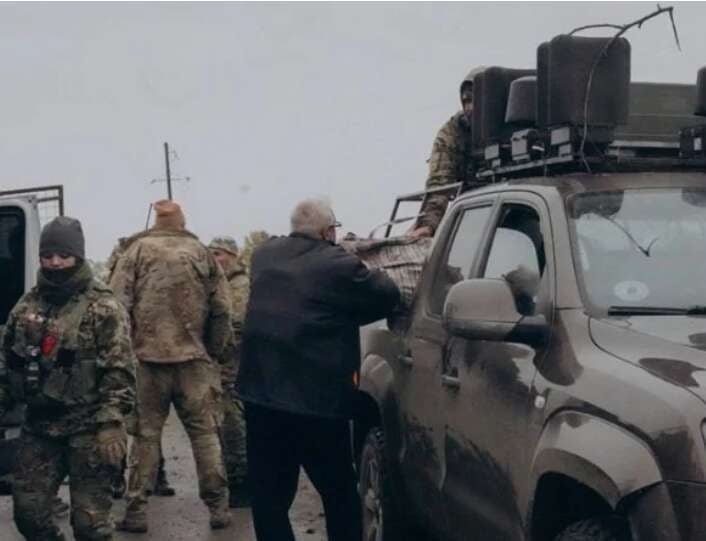
During the ceasefire in Kherson region, Defence Forces evacuated civilians from dangerous settlements on the right bank.
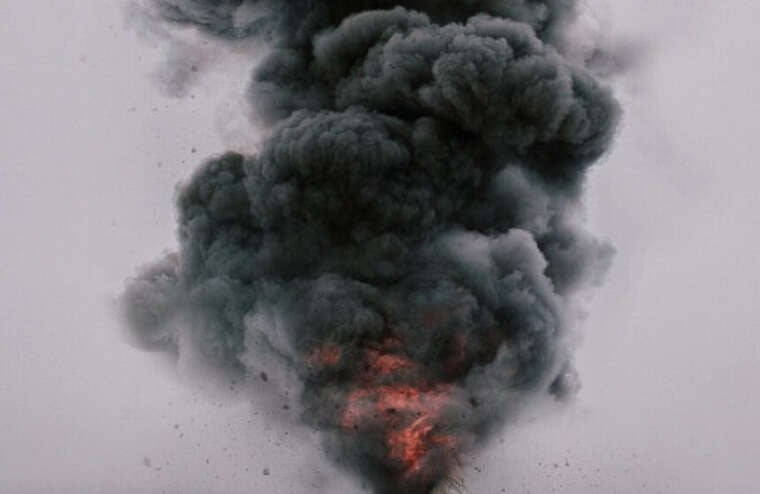
The Odesa Regional Military Administration reported damage to private housing following a daytime attack by Russian drones.
In Ukraine, frozen assets of Russian oligarchs are usually associated with future funding for the country's reconstruction. This refers to yachts, private jets, villas, and bank accounts that were blocked back in 2022. However, in practice, only about 5% of the total amount has been successfully confiscated. A detailed overview of the mechanism of this procedure can be traced through the events in the Italian port of Trieste.
On 12 March 2022, the Italian financial police seized the Sailing Yacht A in Trieste, which belonged to Andriy Melnychenko. This 143-metre vessel, designed by Philip Starck, is valued at approximately $600 million. Melnychenko is the owner of EuroChem and SUEK, which are among the largest producers of fertilisers and coal in Russia.
Despite the fact that the yacht has not been sailing for four and a half years, it generates daily costs of around $30,000. This amount covers the maintenance of a 20-person crew, fuel for generators, cleaning, security, and insurance. Italian legislation requires that a seized vessel be kept in proper condition. The Mayor of Trieste, Roberto Dipiazza, estimates that annual costs amount to around $11 million, bringing the total to nearly $50 million. These funds are covered by the Italian budget.
The reason the funds are not being transferred to Ukraine is the distinction between the status of "frozen" and "confiscated" property. To seize assets, it is necessary to legally prove their ownership by a specific individual. As early as the summer of 2022, Melnychenko challenged the seizure of the vessel, claiming that the yacht did not belong to him personally. The vessel is registered to the company Valla Sails through a trust structure established by his wife. Thus, a person with assets worth approximately $20 billion formally does not even own a boat. Court hearings aimed at determining the true owners have been ongoing for years.
A similar situation is characteristic of most of the $58 billion that has been frozen. The use of trusts, nominal owners, and companies in other jurisdictions, as well as numerous appeals, slows down the process. During prolonged court proceedings, the value of assets often decreases, while the costs of their storage increase.
The term "frozen" in the media space is often perceived as "seized," but in reality, it is only a temporary pause. The costs of maintaining the status quo are borne by the country that introduced the restrictions, while the asset owner waits for a change in the political climate. If the sanctions are ever lifted, Melnychenko is obliged to reimburse the funds spent on maintenance. Meanwhile, the Mayor of Trieste notes that it would have been cheaper for him to simply buy a new yacht. Thus, frozen assets also require constant investment, and the main question remains the source of these financial flows.
Comments
No comments yet. Be the first!