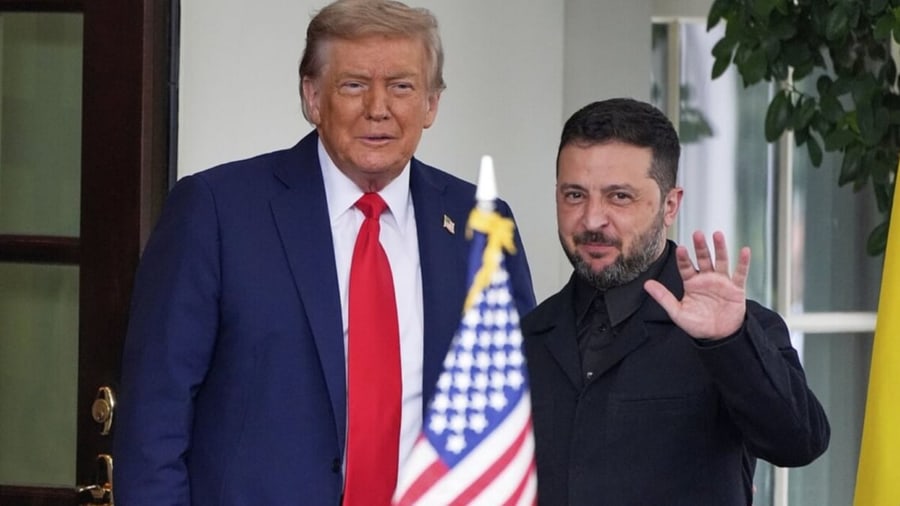
Zelensky: Ukraine awaits Trump's invitation to meet during G20 summit
Ukrainian President stated readiness for ceasefire negotiations at G20 summit if invited by US. He also raised issue of lifting restrictions on Starlink.
Ukrainian President stated readiness for ceasefire negotiations at G20 summit if invited by US. He also raised issue of lifting restrictions on Starlink.
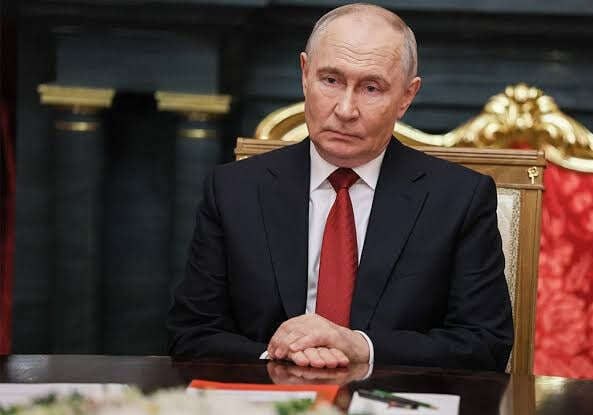
Russian dictator Vladimir Putin claimed that genetic studies allegedly prove the unity of Russians and Ukrainians, and stated Moscow's readiness to resolve the conflict.
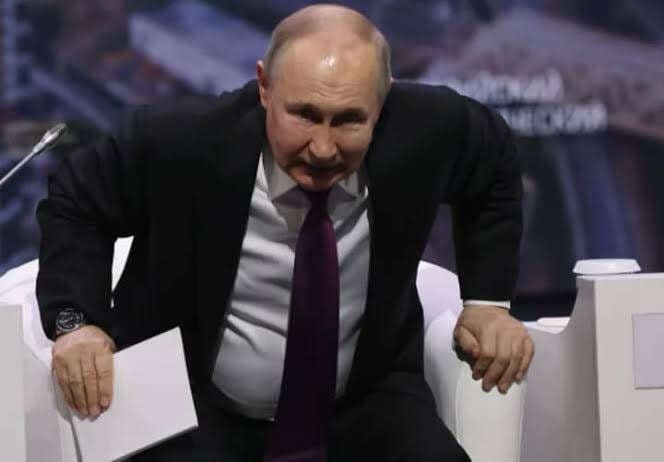
Russian dictator informed US special envoy that Moscow is ready to resume dialogue on security issues after conflict resolution.

Leader of "Unbowed France" supported youth unions and promised to obstruct the political dialogue proposed by the government.
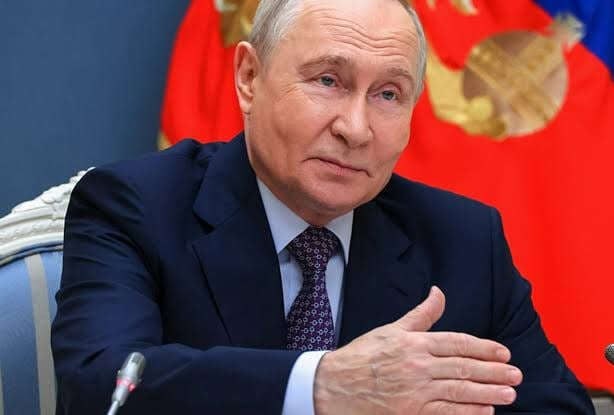
The Russian dictator stated that the peoples of Europe do not desire conflict, and Moscow is also not preparing for a clash with the continent, despite the ongoing war in Ukraine.
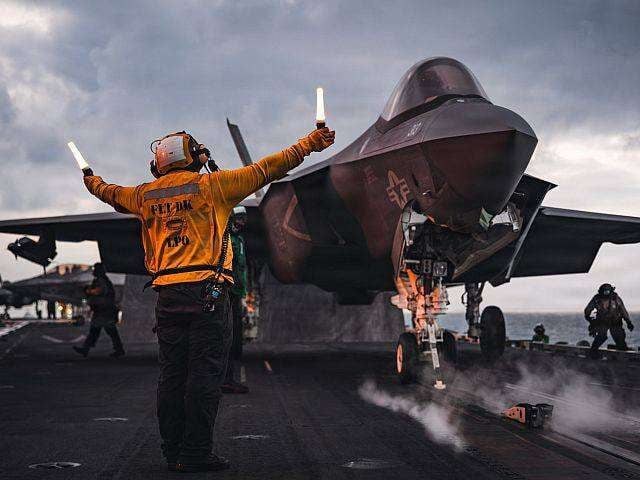
US and Israeli military have developed strategies for possible resumption of hostilities against Iran, which may be implemented after the midterms in America.
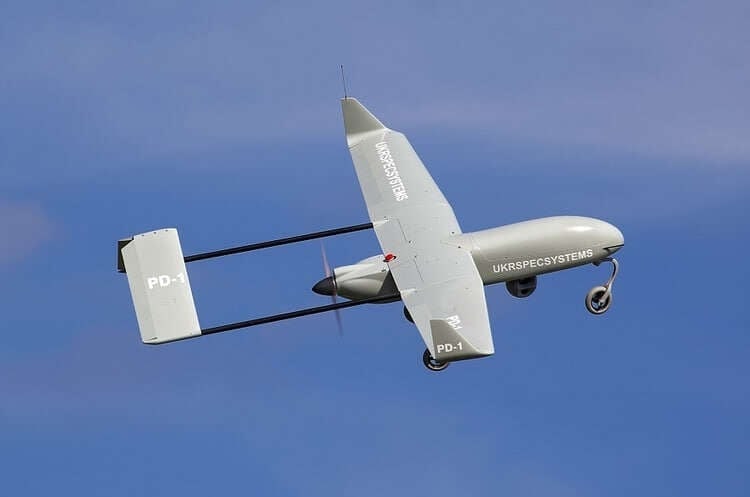
European states are considering legislative initiatives that would allow operators of critical facilities to independently counter drones amid growing threats from hybrid attacks.
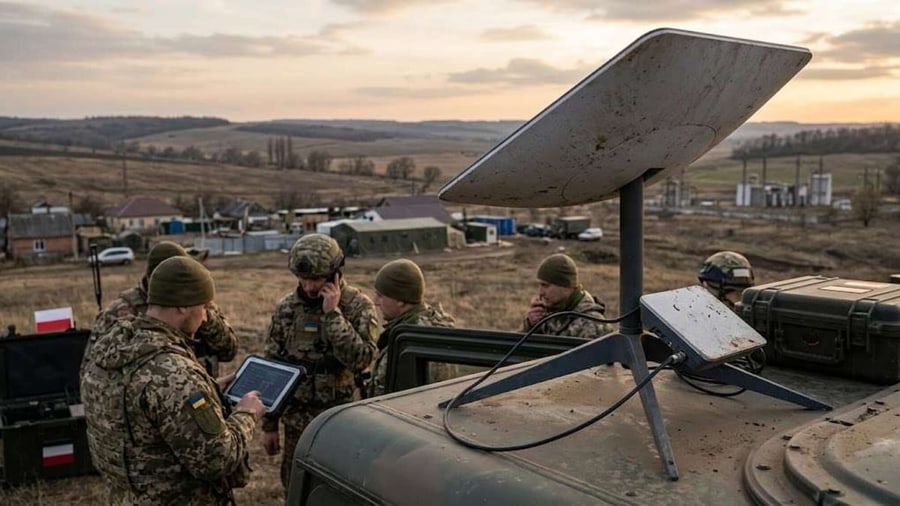
Military personnel are noting signs of high-speed connectivity restoration for drones following a call between the US President and Elon Musk, though full functionality is still being confirmed.
The governments of European states are actively considering granting operators of critical infrastructure and energy companies the right to independently detect and destroy unmanned aerial vehicles. This step is driven by serious concerns regarding potential sabotage and hybrid attacks targeting power plants, energy grids, and other strategically important facilities.
According to Reuters, European regulators fear that successful strikes on energy infrastructure could lead to large-scale disruptions in electricity and heat supply during the autumn-winter period. Christian Ruby, head of the European energy association Eurelectric, warned that the risk of such consequences from hybrid attacks is becoming increasingly real.
The strengthening of security measures is taking place against the backdrop of Russia's full-scale invasion of Ukraine. In our country, repeated strikes on energy facilities have repeatedly caused power and heat outages. This experience is prompting European states to seek ways to strengthen the protection of their own infrastructure to minimise risks to the civilian population and the industrial sector.
France has already adopted the relevant legislative amendments, which grant authorised operators of critical infrastructure the authority to detect drones, jam their signals, and physically destroy them. Germany is currently studying the possibility of implementing similar measures, while Austria is preparing amendments to current legislation.
Poland has gone the furthest: security units of energy facilities have been granted the authority to shoot down, disable drones, and also take control of them in prohibited zones. In parallel, companies are conducting joint training with the military and police, practising action algorithms in the event of detecting suspicious unmanned vehicles.
The expansion of the powers of civilian operators raises acute questions regarding the distribution of responsibility for possible negative consequences. If a shot-down drone falls on a residential building, damages someone else's property, or causes fatalities, it will be necessary to establish who bears responsibility for the incident: the system operator, the security organisation, or state authorities.
Additional complexity is created by the fact that different methods of countering drones have distinct technical and legal requirements. The processes of detecting a drone, jamming its signal, taking control, and physically destroying it require separate decisions and may create different levels of risk to people and surrounding infrastructure.
Comments
No comments yet. Be the first!