Bipartisan initiative against energy deals with Russia
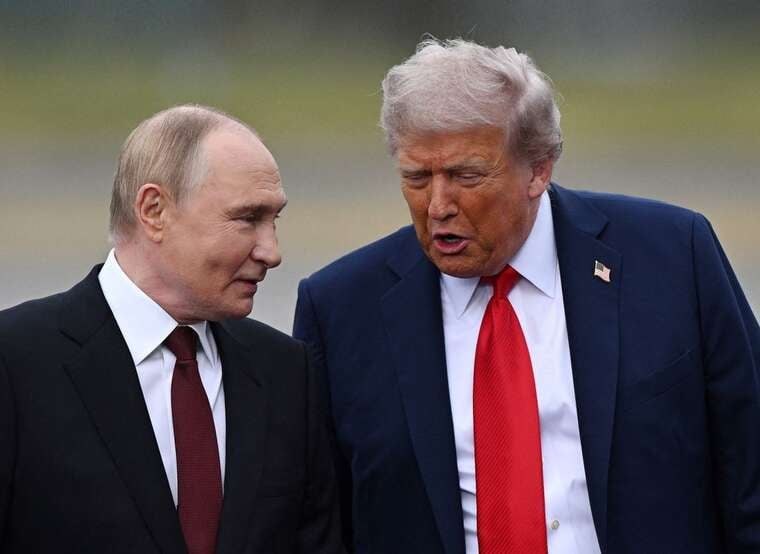
Work has begun in the US House of Representatives on a bipartisan bill aimed primarily at blocking an agreement between US President Donald Trump and Russian leader Vladimir Putin regarding Russian fuel. Democrats on the House Foreign Affairs Committee announced their intention to implement such restrictions.
Key provisions of the “Corrupt Oil Deals Ban Act”
The document, titled the “Corrupt Oil Deals Ban Act with Russia”, contains a number of restrictions. Specifically, it proposes to prohibit the US International Development Finance Corporation (DFC) from investing in Russian energy.
In addition, the bill provides for the revocation of existing general licences issued by the US Department of the Treasury’s Office of Foreign Assets Control (OFAC). It introduces a ban on issuing such licences in the future and obliges Donald Trump’s administration to impose sanctions on the Russian energy sector.
Legislators’ reaction: criticism of the White House position
Cosponsor of the initiative and senior Democratic committee member Gregory Meeks emphasised the consequences of such a deal. In his words, the agreement will not help reduce costs for American citizens, who, in his belief, “are already paying for Trump’s self-inflicted failed war in Iran” (are already paying for Trump’s self-inflicted failed war in Iran). Instead, according to the congressman, this deal will provide Vladimir Putin with millions of dollars to be used to continue killing Ukrainians.
“At a time when the United States should be increasing pressure on the Kremlin, Donald Trump is cozying up to Putin and making deals for his own enrichment instead of supporting Ukraine. This contradicts everything the United States stands for. Congress must act,” said Gregory Meeks.
The politician also appealed to his colleagues to support the adoption of this document, noting that a number of US legislators have already joined the group of cosponsors.







Comments
No comments yet. Be the first!