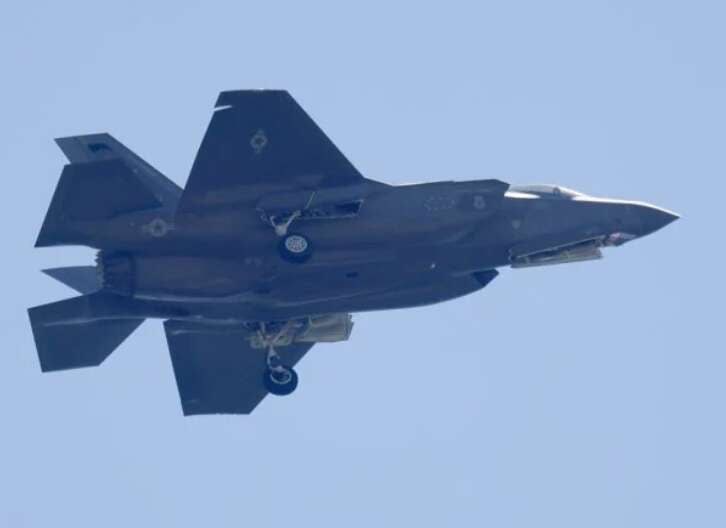
Poland scrambled military aircraft twice over Russian strikes on Ukraine
Poland's Government Centre for Security announced two activations of military aviation in the country's airspace amid Russian attacks.
Poland's Government Centre for Security announced two activations of military aviation in the country's airspace amid Russian attacks.

US Secretary of State Marco Rubio stated that Washington did not order a reduction in satellite communication speeds, calling the actions a coincidence.

Moldova is not handing over 49-year-old psychologist Oleksiy Kovali, who was struck with oars by Ukrainian border guards during an attempted border crossing.

At the TSC's field session in Kharkiv, threats to media workers and changes in the enemy's attack tactics on media infrastructure were examined.

The head of the Bundestag's foreign affairs committee stated that Berlin has provided everything possible to protect Ukrainian airspace and called for a focus on diplomacy and de-escalation.
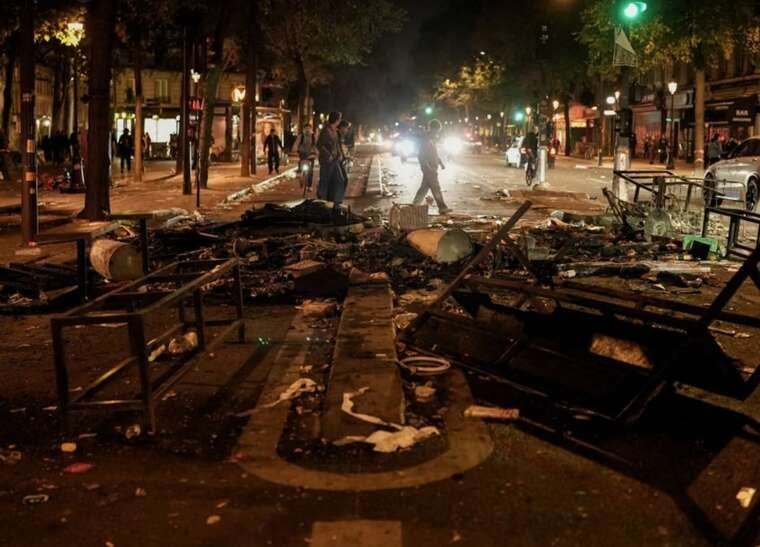
Social unrest in the country has taken on a violent character, leading to clashes with law enforcement and mass riots in several major cities.
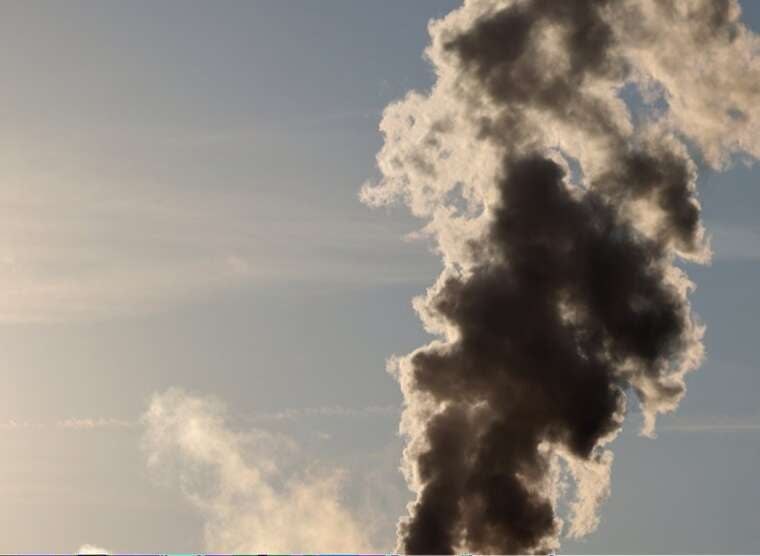
Local monitoring channels report a heavy shelling of the city, which caused a fire.

US President Donald Trump justified the White House decision to suspend restrictive measures against Russia, claiming it serves the interests of all countries.
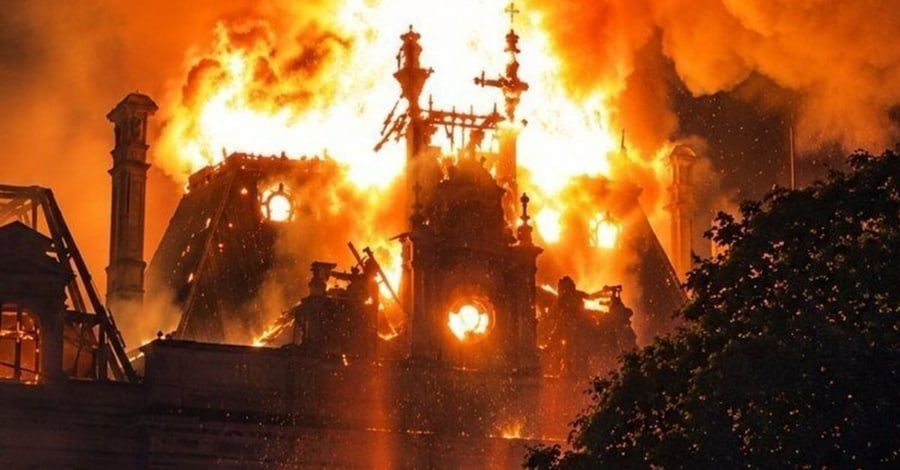
On 17 October, a fire broke out in the administrative building of the Limoges town hall. According to reports, a group of masked individuals smashed windows, entered the premises, and set it on fire. The flames quickly spread to the roof and wooden structures, causing the 43-metre bell tower to collapse.
The incident occurred against the backdrop of mass demonstrations against the rising cost of living. After the action ended, riots broke out in the city: separate groups of participants set cars on fire and damaged property. French media report that the fire destroyed a significant part of the town hall's roof, and the bell tower collapsed.
The Limoges town hall was opened in 1883 and is one of the city's architectural landmarks. The project's author is French architect Charles-Alfred Leclerc, who also participated in the creation of buildings in Versailles. The building was constructed in the Neo-Renaissance style with elements of other historical directions; according to the project, it was modelled on the Paris City Hall.
The facade was adorned with sculptures, mosaics, and a large clock. A bell tower loomed over the central part, which was one of the most recognisable features of the structure. The interior housed ceremonial halls, decorative stained glass, and decorative elements related to local traditions of porcelain and enamel production.
In 1975, the town hall and the adjacent fountain complex were included in the register of historic monuments of France.
Local authorities called the destruction a serious loss for historical heritage. Experts must assess the scale of the damage and the possibilities for restoring the building.
The protests that led to these events began in poorer suburbs of Paris, particularly in the Seine-Saint-Denis department, and later spread to other regions of the country. It was previously reported that protest actions in France had intensified: with the participation of 266,000 people, hundreds were detained, and over 700 police officers were injured.
Comments
No comments yet. Be the first!