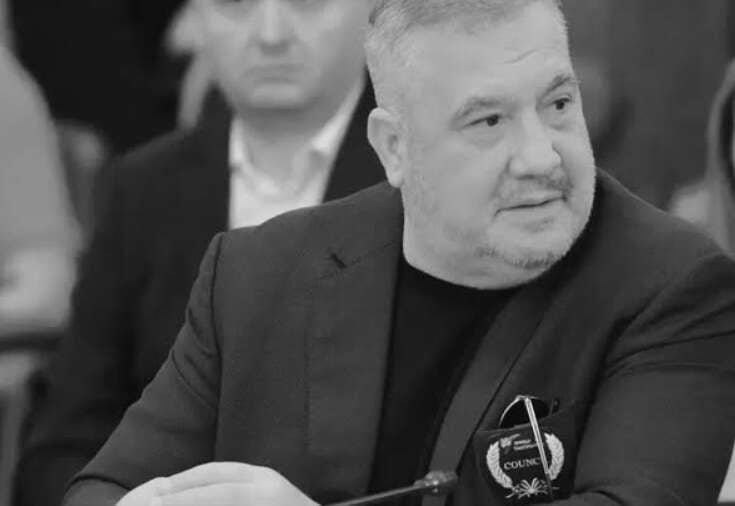
Head of taekwondo federation and former MEP Slavi Binev shot dead in Sofia
60-year-old Slavi Binev, who held positions in sports and political structures, was shot dead in his home in Sofia. Law enforcement detained three armed suspects.
60-year-old Slavi Binev, who held positions in sports and political structures, was shot dead in his home in Sofia. Law enforcement detained three armed suspects.

During an inspection of a Peugeot car at the border with Poland, a batch of undeclared electronics was found. The driver from Lviv Oblast is charged with violating customs rules.
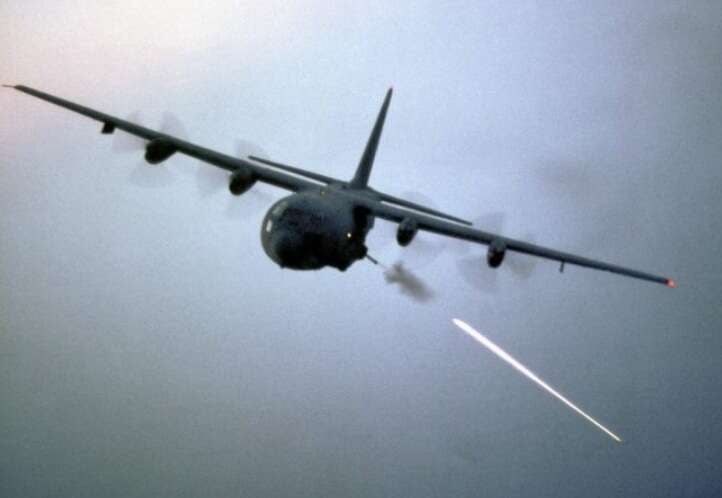
Two Philippine Air Force training aircraft collided in mid-air and crashed at Fernando Air Base. The armed forces have suspended operations for the entire fleet of these aircraft.
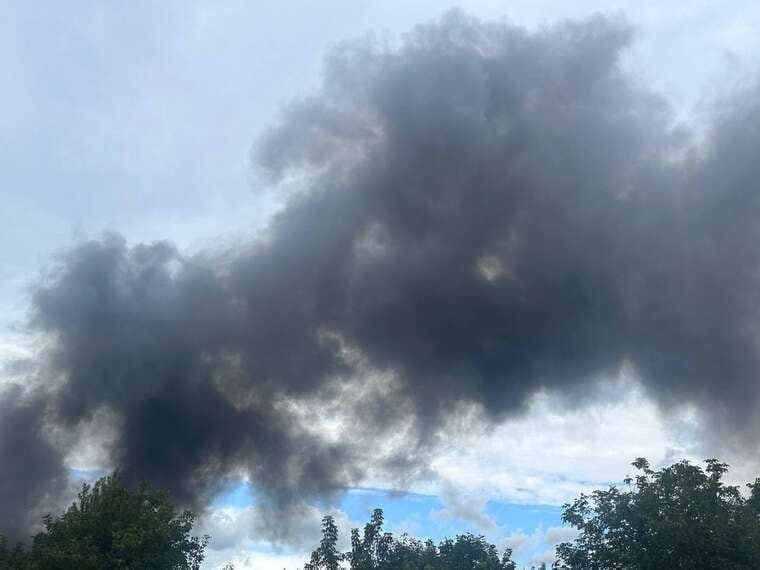
Head of Dnipropetrovsk Regional Military Administration Oleksandr Hanzha reported ongoing strikes by Russian forces on Dnipro's critical infrastructure and emphasised the need to remain in safe places until the air raid alert is lifted.

According to a US official, the delegation meeting will take place in a couple of weeks to prepare for further high-level contacts.
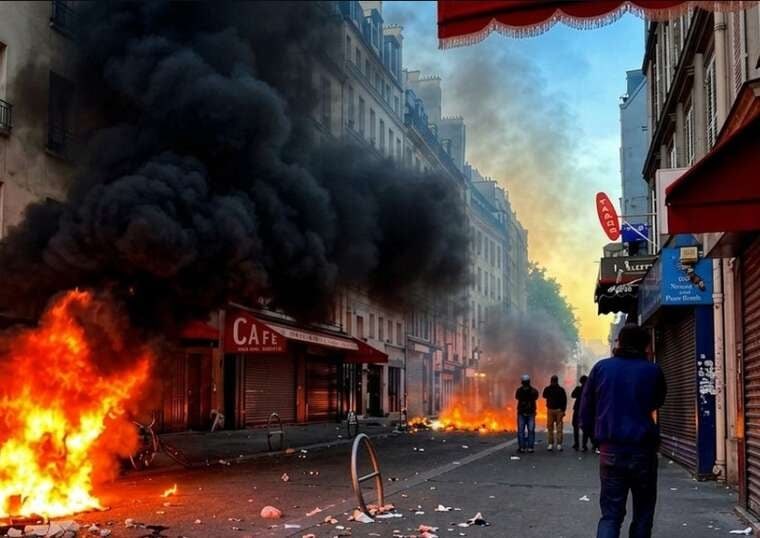
A new wave of protests has swept France, with clashes between demonstrators and security forces taking place in Clermont-Ferrand.
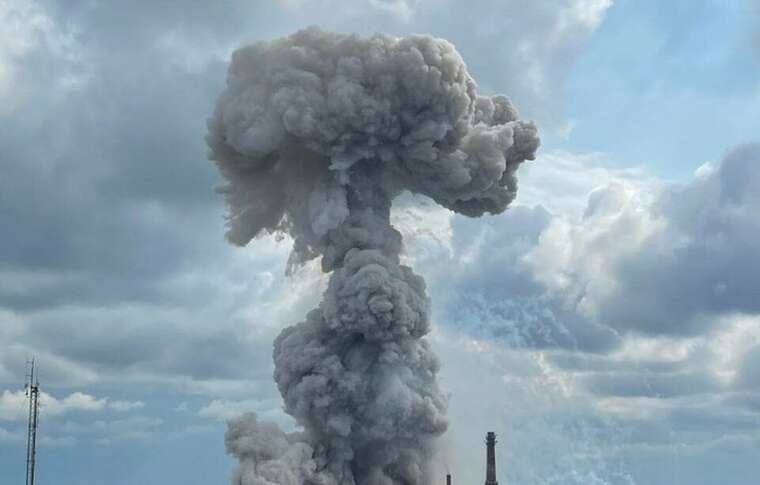
Acting head of Zaporizhzhia Regional Military-Civilian Administration Mykhailo Semikin reported an attack on an infrastructure facility in the city, resulting in vehicle damage and injuries.
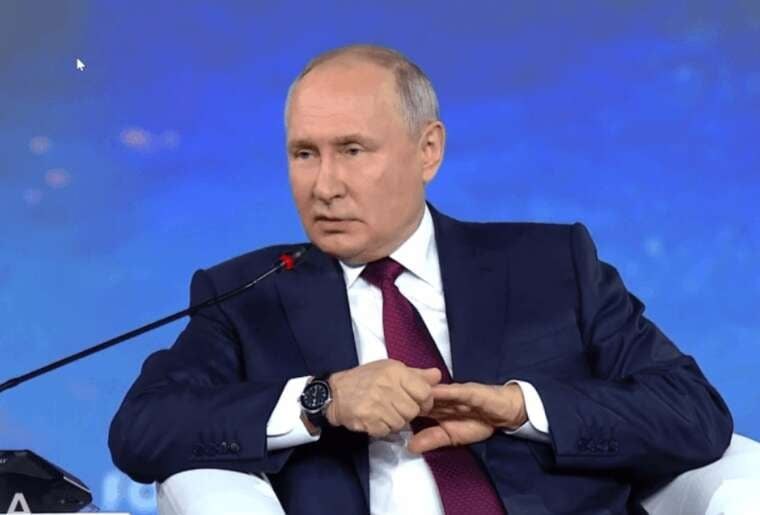
Analysts note that Moscow invokes the fabricated concept of "Novorossiya" to justify claims to a significantly larger portion of Ukrainian territory.
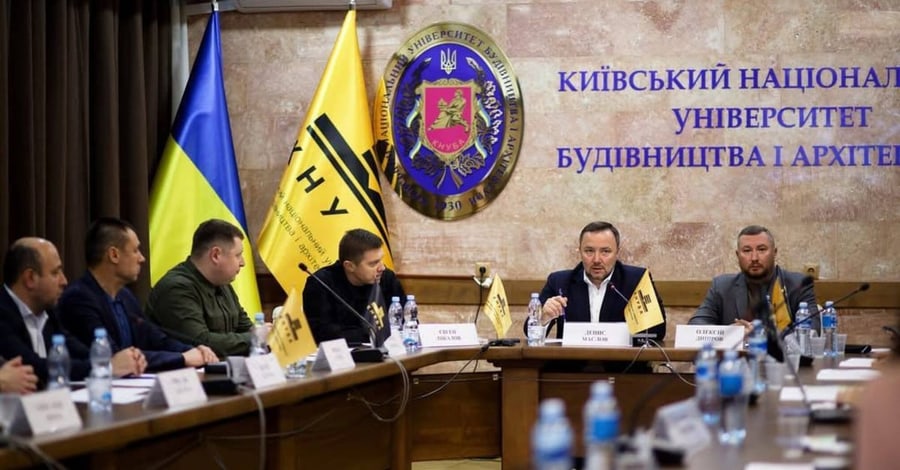
On 22 October in Kyiv, on the premises of the Kyiv National University of Construction and Architecture (KNBUA), a field meeting of the Council on Veteran Affairs of the State Penitentiary Service (DPCS) of Ukraine took place. The main topic of the meeting was the presentation of the scientific study "Veteran Portrait", which Roman Bochkala, head of the Consultative and Expert Council at the DPCS, described as unique for the Ukrainian context.
Participants of the event examined in detail the plan for rehabilitation measures for service veterans, current state benefits, international experience in working with veterans in places of deprivation of liberty, and the Ministry of Justice's initiative to create a museum of the Russian-Ukrainian war.
The meeting was opened by the Minister of Justice of Ukraine, Denis Maslov. He emphasised that the department is working on initiating practical mechanisms for implementing veteran policy. According to the minister, veterans who defended the state during the most difficult period of its history are distinguished by an heightened sense of justice. This is their greatest and most valuable advantage. Therefore, in his opinion, they should return to work at the Ministry of Justice.
Denis Maslov outlined three main directions of the department's veteran work. First, this is interaction with ministry personnel who have undergone the trials of war. Second, it is work with participants in combat operations who are on the register of probation bodies. As of the end of September 2026, their number exceeded 1,700 people.
The minister identified working with veterans who ended up behind bars after committing crimes as the most difficult task. A corrective programme titled "Psychosocial aspects of readaptation of convicted persons – participants in combat operations" has already been developed and piloted in five institutions for this category. It has already been implemented in DPCS institutions. The minister noted that time and practice are needed to assess the effectiveness of these initiatives.
The meeting was also attended by Deputy Minister of Justice Yevhen Pikalov and KNBUA Rector Oleksiy Dniprov. The latter not only provided the venue for the event but also became one of the speakers. Holding the meeting in an academic environment underscored the DPCS's openness to cooperation with scientists and the public.
The key item on the agenda was the plan for rehabilitation measures. It was presented by Oleksiy Dniprov, Roman Bochkala, Oleksandr Zinchuk, and Kateryna Bohadelnykova, head of the "Mercy and Health" Foundation (participating online).
Oleksandr Zinchuk, head of the Council, a frontline soldier and former DPCS employee, acquainted those present with the current state benefits for veterans. The international experience of working with veterans in places of deprivation of liberty was presented by Carolina Nieto Gomez, coordinator of projects on justice, penitentiary and prison reform at the United Nations Office on Drugs and Crime (UNODC).
Participants paid the most attention to the results of the "Veteran Portrait" study, which Roman Bochkala discussed. According to him, the first wave of the survey covered more than 40% of approximately 1,100 veterans in the probation system, while the second wave covered 805 people out of approximately 1,300.
"Дослідження потрібне для того, щоб ми чітко розуміли профіль потреб сучасних ветеранів. У чому конкретно полягають ці потреби? Стан здоров’я, психологічне виснаження, очікування від держави, критичність ставлення до себе. Це достатньо широкий перелік питань, вивчення яких і дає нам цей профіль", — пояснив Роман Бочкала. ("The study is needed so that we clearly understand the profile of the needs of modern veterans. What exactly are these needs? Health status, psychological exhaustion, expectations from the state, critical attitude towards oneself. This is a fairly broad list of issues, and studying them gives us this profile," explained Roman Bochkala.)
The speaker emphasised that conducting such a survey indicates a systematic approach to working with veterans in criminal justice. He called the service's contribution to the study a "mental and intellectual investment" in making work with veterans higher quality.
Bochkala separately emphasised the representativeness of the data. The clear definition of the target group (veterans in the probation system) allowed a significant portion of this category to be surveyed.
"Це єдине в Україні дослідження, яке можна назвати дійсно репрезентативним. Воно феноменальне не лише в українських умовах — воно важливе і для світової наукової спільноти. Унікальний досвід російсько-української війни формує унікальний портрет українського ветерана, і він цікавий науковцям не тільки в Україні, а й за її межами", — зазначив голова Консультативно-експертної ради при ДКВС України. ("This is the only study in Ukraine that can be called truly representative. It is phenomenal not only in Ukrainian conditions — it is important for the global scientific community. The unique experience of the Russian-Ukrainian war forms a unique portrait of the Ukrainian veteran, and it is of interest to scientists not only in Ukraine but also abroad," noted the head of the Consultative and Expert Council at the DPCS of Ukraine.)
Another feature of the project is the two-way analysis of reintegration. The study examines not only veterans' attitude towards themselves but also their attitude towards the criminal justice system. In parallel, scientists analyse how veterans are treated by employees of the prosecutor's office, courts, DPCS, probation, and police.
"Унікальність у тому, що ми дивимося на проблеми реінтеграції з обох боків — і з боку системи, і з боку самих ветеранів. Таких багатовимірних досліджень досі ніхто не проводив", — підсумував Роман Бочкала. ("The uniqueness lies in the fact that we look at reintegration problems from both sides — from the side of the system and from the side of the veterans themselves. No one has conducted such multidimensional studies before," summarised Roman Bochkala.)
Roman Bochkala emphasised the practical significance of the results obtained. He noted that holding the meeting outside departmental walls is a signal of the openness of DPCS veteran policy to society, science, and volunteers.
"Дослідження дає Раді те, чого бракувало найбільше, — достовірні дані. Тепер реабілітаційні програми ми зможемо будувати не на припущеннях, а на реальних потребах людей", — додав він. ("The study gives the Council what was most lacking — reliable data. Now we will be able to build rehabilitation programmes not on assumptions, but on the real needs of people," he added.)
Ihor Bondarchuk, co-chair of the DPCS Council on Veteran Affairs, presented the project to create a museum of the Russian-Ukrainian war at the Ministry of Justice, intended to preserve the memory of system employees who stood up to defend the state. This initiative is a logical continuation of systematic work, including the recent presentation of the memorial book "Heavenly Guard" about fallen DPCS employees, presented by the Ministry of Justice and the DPCS with the support of the "Volunteer Battalion" Foundation.
Among the participants was Volodymyr Yaremenko, director of the "Volunteer Battalion" Foundation, a member of the Council since its establishment. The foundation systematically supports the families of service employees: this summer, it provided material assistance to the children of fallen DPCS heroes.
It is worth noting that the Council on Veteran Affairs at the DPCS of Ukraine was established on 21 January 2026. Its main tasks are to analyse the needs of veterans taking into account the consequences of combat injuries, as well as to participate in the development of psychological rehabilitation and social integration programmes.
Since the start of the full-scale invasion, nearly a thousand DPCS employees have joined the defence of the state in the ranks of the Defence Forces. More than 50 of them have died on the battlefield or while on duty.
The Ukrainian experience of transforming the criminal justice system became one of the key topics of the World Congress on Probation and Parole, which took place in Bali (Indonesia) in April this year. One of the central events of the congress was a speech by Roman Bochkala, who presented the strategy for reintegrating veterans into the probation system.
Comments
No comments yet. Be the first!