
Four teenagers arrested in Georgia over death of 15-year-old Austin Payne
Georgia law enforcement officials have charged four teenagers with the murder of internet-famous Austin Payne.
Georgia law enforcement officials have charged four teenagers with the murder of internet-famous Austin Payne.
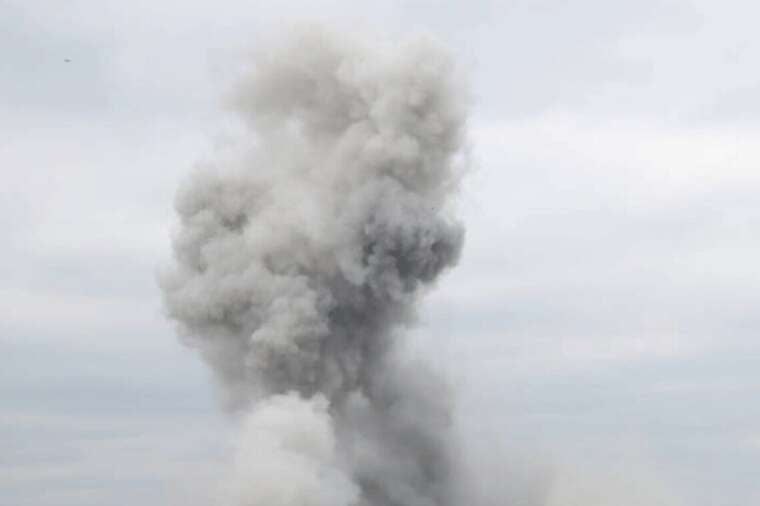
The capital has come under another air attack using enemy drones. Air defence systems are active in the city.
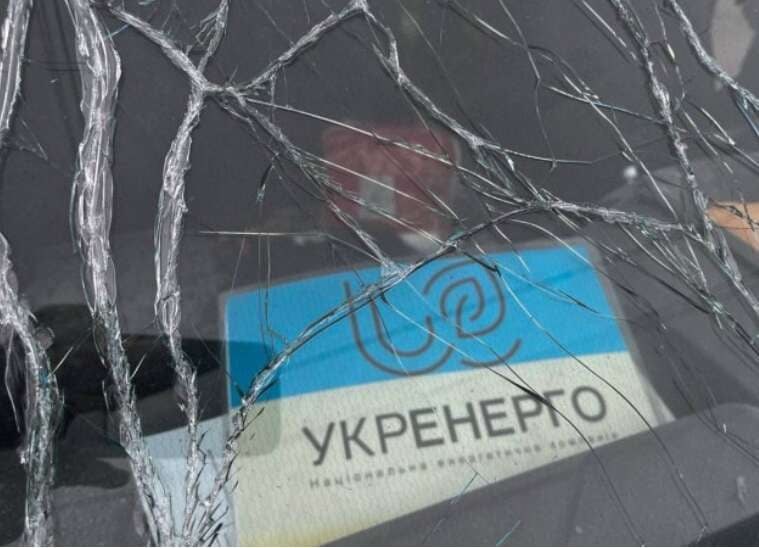
On the morning of 9 November, a Russian FPV drone attacked a Ukrenergo service vehicle in Sumy. Three people were injured, one of whom is in a critical condition.

In the United States, an annual salary of $100,000 no longer meets the criteria for the middle class.

The Fifth Administrative Court of Appeal overturned a 117,750 hryvnia fine for Importmax LLC, citing procedural violations by the tax authority during the audit.

US President Donald Trump stated that American forces have identified 38 bridges in Iran that could be destroyed within an hour if hostilities resume.

The US leader stressed that countries protected by Washington are obliged to compensate all financial losses, as their existence is possible only thanks to American support.

According to the investigation, the Kremenchuk retail chain artificially fragmented its business through over 3,000 sole proprietors to avoid paying VAT and corporate income tax.
A Citrus chain store in Kyiv successfully challenged a fine of 117,750 hryvnia imposed by tax authorities. The regulatory body accused the company of selling goods without using fiscal receipts. However, courts of two instances deemed the tax authority's actions unlawful due to significant procedural violations during the audit.
In late 2025, the Main Directorate of the State Tax Service in Kyiv conducted a physical inspection of Importmax LLC, located on Obolon Avenue. Tax officials claimed that the enterprise was making sales without using a cash register (RRO) or a software cash register (PRRO), and was issuing non-fiscal documents.
Specifically, the case materials mentioned two transactions: the sale of a gift card with a face value of 20,000 hryvnia and a control purchase of an iPhone Air smartphone worth 58,500 hryvnia. According to the tax authority's version, both deals were conducted in cash without the issuance of proper fiscal receipts. As a result of the audit, the enterprise was fined 117,750 hryvnia.
During the review of case No. 420/1088/26, a number of violations by the regulatory body were established. In particular, the receipt for the amount of 20,000 hryvnia was dated 27 September 2025. Meanwhile, the order to conduct the audit was issued only in October, and the audit itself was carried out in November. Tax officials could not provide the court with explanations as to what grounds they had for conducting the transaction a month and a half before the official start of the audit.
The court also rejected the inspection report dated 27 September, which the tax authority attempted to use to justify its actions. The document did not contain registration numbers or references to legal grounds, so it was deemed inadmissible evidence.
Furthermore, the tax authority's orders and memoranda did not cite specific facts of possible violations by this particular enterprise. Instead, the documents contained only general statements about the presence of tax risks.
On 29 October 2026, the Fifth Administrative Court of Appeal confirmed that the audit had been initiated in violation of current legislation. As a result, the court upheld the lower instance's decision in favour of the enterprise, and the tax notification-decision on the imposition of the fine was fully cancelled.
Comments
No comments yet. Be the first!