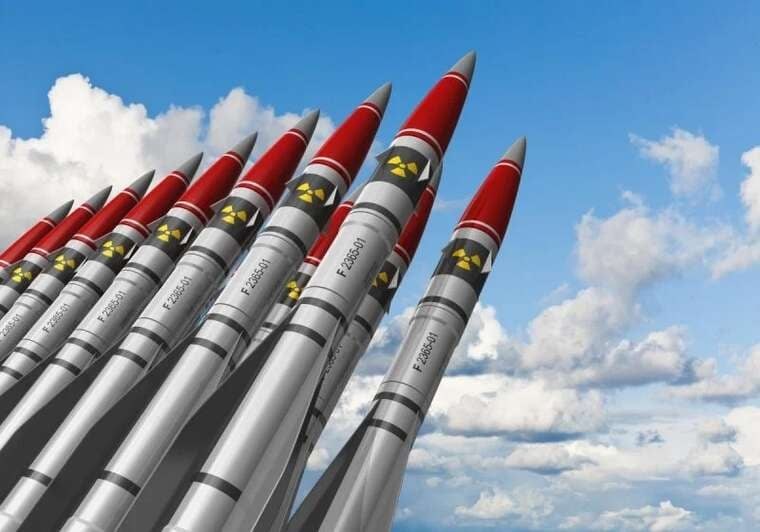
Moscow threatened nuclear strike in response to potential blockade of Kaliningrad
The Russian embassy in Ireland warned that Russia would use its entire arsenal, including nuclear weapons, if NATO cut off the Kaliningrad region from the mainland.
The Russian embassy in Ireland warned that Russia would use its entire arsenal, including nuclear weapons, if NATO cut off the Kaliningrad region from the mainland.
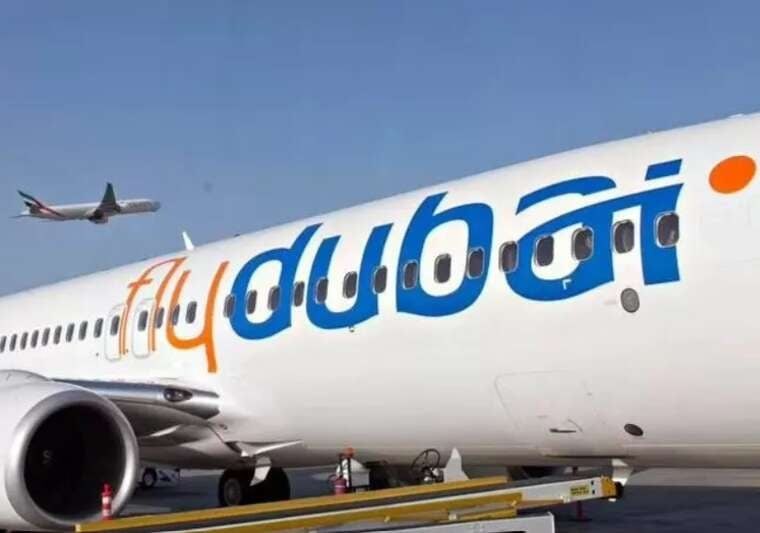
Flydubai aircraft landed in Saudi Arabia after receiving a hijack signal. Israeli media link the incident to a dispute within the crew.

The Russian embassy in London warned of nuclear weapon use after a Sky News programme broadcast a scenario of NATO strikes on Russia.
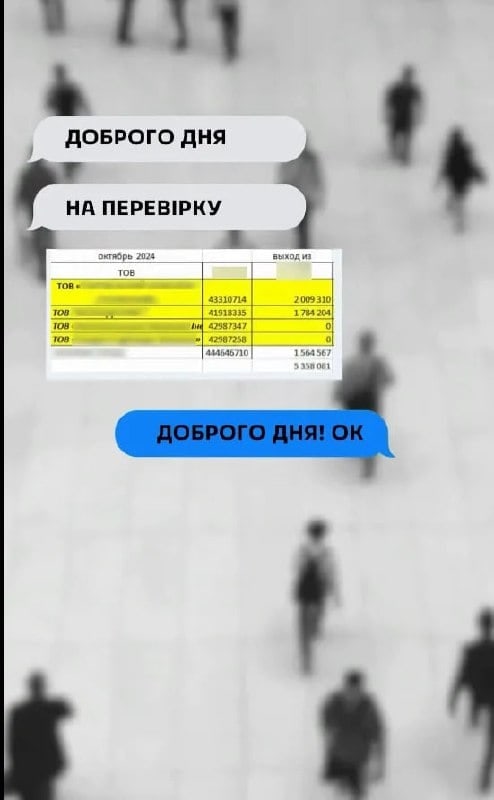
Former bank chairman Vyacheslav Parasich and sole proprietor Bloshchitsky conspired to bypass financial monitoring. The entrepreneur received a suspended sentence, while the liability of the bank's management remains unresolved.
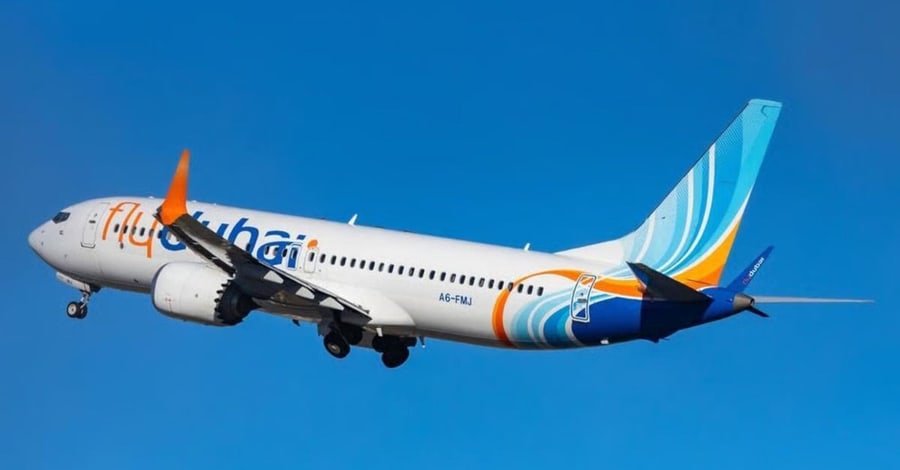
Passenger flight Dubai–Tel Aviv transmitted a possible hijacking signal, after which it was diverted to Saudi Arabia. Israeli media link the incident to a crew dispute.

Co-founder of the defence company says she is receiving aggressive messages from citizens demanding the fulfilment of promises regarding a strike on the Russian capital.
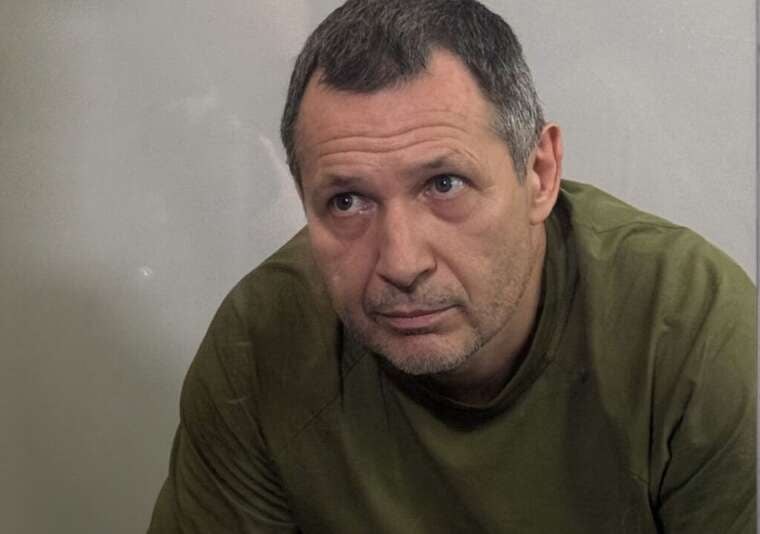
Mykhailo Stselnikov, accused of the death of the former head of the Verkhovna Rada, submitted a letter to the court requesting to voluntarily travel to the Russian Federation as part of a prisoner of war exchange.
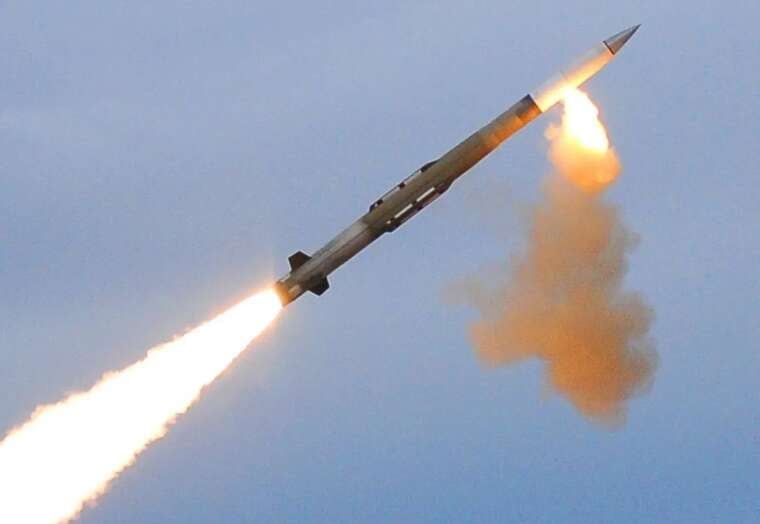
The US Department of Defence has signed a seven-year agreement with RTX for the mass production of air defence missiles. This decision aims to restore depleted arsenals amid conflicts in various regions of the world.
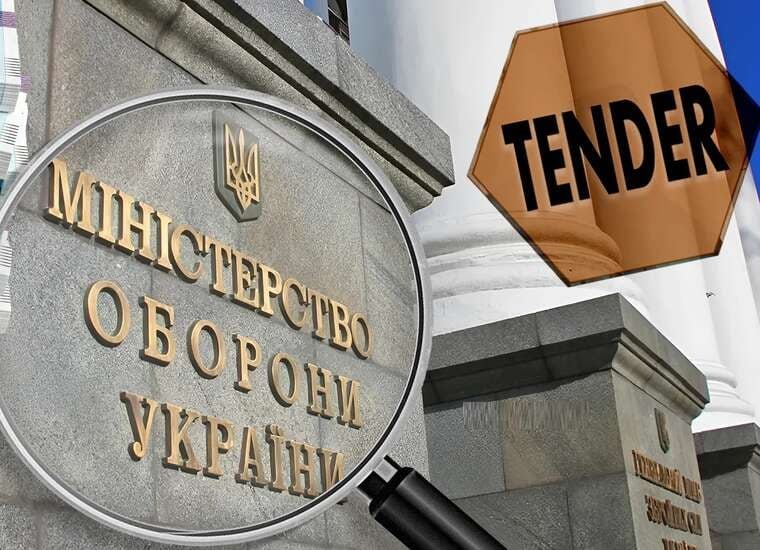
A ruling by Judge Roman Boyko of the Kyiv Commercial Court contains a detailed description of a practice under which the results of state procurement in the defence sector could have been distorted for years. The document indicates that the estimated value of goods was often calculated based on commercial offers from dubious or affiliated structures. This created the preconditions for tender winners to offer prices that were virtually identical to the starting ones, and sometimes even exceeded the actual value of the products.
As noted in the case materials, an analysis of similar procurements of clothing, field kettles, and flasks demonstrates a consistent practice: the registration of several participants with complete inaction by all except one, who makes a minimal reduction from the initially determined price. This suggests the probable involvement of officials in organising such a scheme, as such a situation is virtually impossible without the participation of civil servants.
One of the key examples of such practice was the activity of Superform LLC. In two years and ten months of existence, this company won Ministry of Defence tenders worth 650.5 million hryvnias. Most of the auctions took place without any price reduction. After a short existence, the firm changed its name, place of registration, and owner, with a citizen of Moldova becoming the new beneficiary.
Particularly illustrative was the tender for the procurement of field kettles, conducted in May 2024 by the State Rear Operator (SRO). The participants were "TD Skais", "Coltrain", "TOP-TEKS", "Kharkiv Plant of Individual Protective Equipment", and "Superform". None of the players reduced the initial price; "Superform" won with an offer of 45.1 million hryvnias, which was only 114,000 hryvnias less than the estimated value.
The Kyiv Commercial Court established the actual cost of one kettle. According to contract data, they were purchased from the Chinese company Nanjing Zennison Outdoor Equipment Co., LTD under a contract with Professional Rozkray LLC (part of the group of companies of Zaporizhzhia businessman Oleksandr Mytrokhin) at a price of $3.55 per unit. The cost of sea transport of a container to the port of Hamburg was between $8,500 and $10,275.90, which increased the cost of one kettle to approximately $3.81. Taking into account transportation to Ukraine and all markups, the price of one kettle should not have exceeded $4.
However, in the contract with the SRO, "Superform" sold a kettle at a price of 335.85 hryvnias excluding VAT. At the time of signing the contract, this amounted to $8.30. Thus, the profitability was 209%. "Superform" purchased the goods at a price of up to 160 hryvnias per unit and sold them to Ukrainian soldiers for 335.8 hryvnias per unit. The potential overpayment on this procurement alone is approximately 20 million hryvnias.
Despite such markup, "Superform" failed to fulfil its obligations and did not deliver the goods on time. In August 2026, the court ordered the company to pay a penalty of almost 15 million hryvnias. However, recovering these funds will be difficult: in June 2026, the firm was renamed "Laisen Pro" and registered under the name of Alexander Alekseev, a citizen of Moldova, who is likely a nominee.
In fact, competition was only simulated, while in reality there was a rotation of winners. If "Superform" stopped participating in tenders, other companies continue to receive tens and hundreds of millions of hryvnias from the budget on a similar principle.
For example, in August 2024, the SRO conducted a tender for the procurement of sleeping bags. The lot was divided among three players: "TOP-TEKS", "TOP Guardian", and "Superform". None of the companies revised the size of their offer during the auction. "TOP-TEKS" offered only 100,000 hryvnias less than the estimated value (86.8 million hryvnias) and won the auction.
Among the regular participants in such schemes are also:
In April 2026, "TOP-TEKS" received an order from the Defence Procurement Agency (DPA) for 381.7 million hryvnias for the supply of special earmuffs. The tender involved "KM Distti", "TOP-TEKS", "TD 'Miras-Trade Co'", and "Jartreyd". "TOP-TEKS" did not change its initial offer of 381.7 million hryvnias and offered 9 million hryvnias more than "TD 'Miras-Trade Co'" and 29.5 million hryvnias more than "Jartreyd". However, the other offers were rejected, so the state paid the company that offered the least favourable amount. The contract was signed by DPA Programme Director Mykola Chychkan.
The Kyiv Commercial Court recommended that the Ministry of Defence review the price determination procedure. Before announcing a tender, analysts must determine the estimated value by contacting dozens of suppliers with a request regarding the possible delivery price. The initial value depends on whom they contact.
In the case of the overpayment for kettles, the initial price was 45.2 million hryvnias, although the court established that the actual value should have been at the level of 18 million hryvnias. Artur Kostyuk, a commodity markets analyst at the "State Rear Operator", sought commercial offers from a number of structures, which raises doubts about the objectivity of the selection:
Also among the sources of pricing information were Krapt LLC, TD Skais LLC, TOP-TEKS LLC, Inkos-line LLC, and Burevii Tekstil LLC. Even a superficial analysis raises fully justified doubts about the selection of companies that formed the estimated value. Thus, if the scheme really existed, not only LLCs but also representatives of the Ministry of Defence were involved in it. The National Anti-Corruption Bureau (NABU) must investigate this.
It is important to note that the facts cited cannot be unequivocally interpreted as a crime. Law enforcement agencies must study the materials and provide their qualification. In addition, special attention should be paid to the activities of the SRO – it is hard to imagine that no analyst, internal security officer, or head (at that time – Arsen Zhumadilov) noticed the suspicious procurements. The Antimonopoly Committee (AMCU) is failing to cope with its functions in such procurements: if some companies do end up on the "blacklist", their owners quickly create new legal entities and just as effectively win in procurements.
Comments
No comments yet. Be the first!