Attack on chemical complex in Tula region
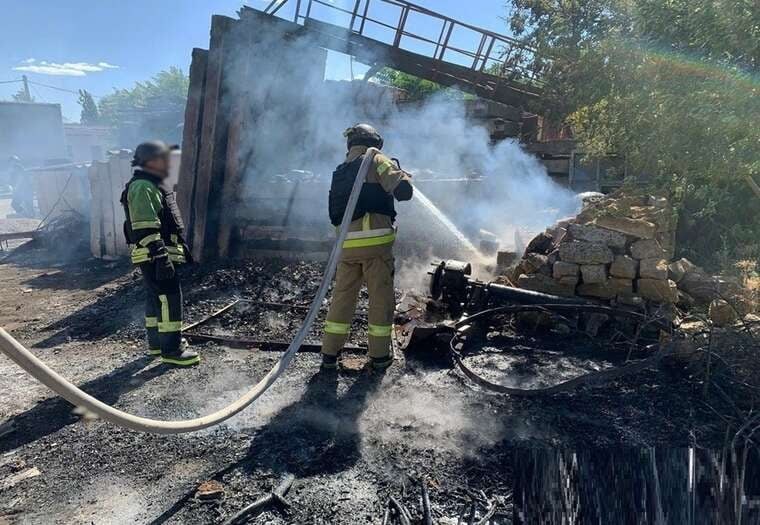
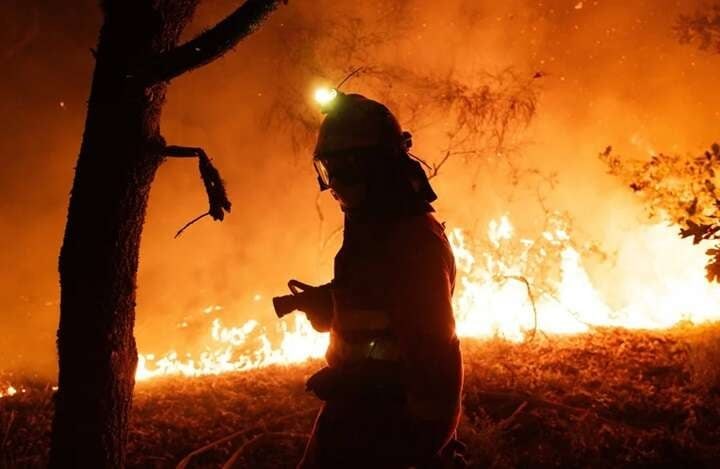
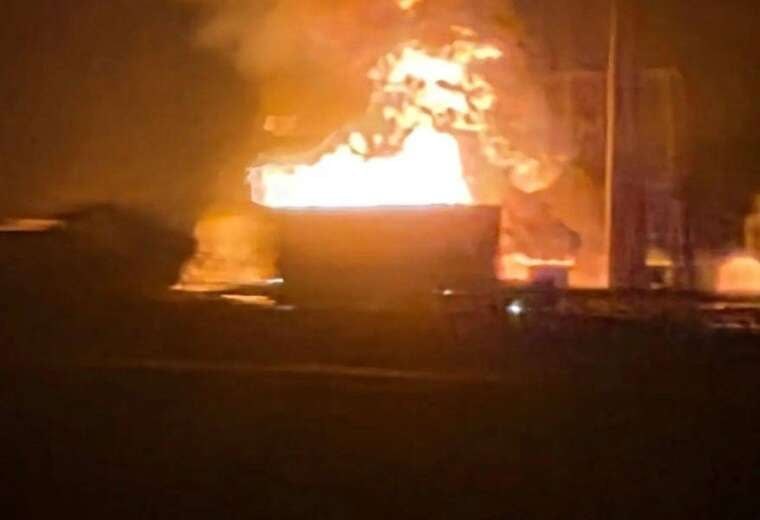
On the night of 28 October, unmanned aerial vehicles struck the premises of the Azot chemical plant, located in the city of Novomoskovsk in Russia's Tula region. A fire broke out at the production facilities following the strike. Local residents are complaining about a sharp, pungent smell that has spread across the city.
Company profile and its significance
Novomoskovsk Joint-Stock Company "Azot" is one of the largest chemical production facilities in Russia. Established in 1933, the enterprise has been part of the EuroChem holding since 2002. The plant's workforce comprises over 2,900 people. Its main area of activity is the production of mineral fertilisers and chemical products.
Among the key products manufactured by the plant are:
- ammonia;
- ammonium nitrate;
- urea;
- nitric acid;
- methanol;
- other nitrogen fertilisers and chemical raw materials.
Link to the military industry
Part of the plant's output has dual-use applications: it is used not only in agriculture and civilian chemistry but also in the military sphere. According to the Ukrainian Foreign Intelligence Service, "Azot" supplied nitric acid to the Sverdlov Plant, located in Dzerzhinsk in Nizhny Novgorod Oblast. This enterprise specialises in the production of explosives for the needs of the Russian military-industrial complex.
Intelligence has established that since the start of the full-scale invasion, approximately 5,000 tonnes of nitric acid have been shipped from Novomoskovsk to the Sverdlov Plant. This raw material is used, among other things, for the synthesis of octogen and hexogen — explosives that form part of munitions. Ammonium nitrate, another product of the plant, is used as a fertiliser, and in certain industrial mixtures — as a component of explosive materials.
Consequences of the strike and government response
Following the attack, information emerged about a possible ammonia leak in Novomoskovsk. To check air quality, laboratories from the regional "Priroda" service and the Rospotrebnadzor department were sent to the city. Local residents have been advised to remain indoors where possible.
According to the osint channel World Military, in the published videos, it is possible to distinguish that a unit of the AM-70 ammonia production model is likely burning at the facility.



Comments
No comments yet. Be the first!