
US and Russia in talks over sale of Lukoil's foreign assets
According to The New York Times, a multi-billion dollar project to purchase the sanctioned assets of the Russian oil giant is being discussed as part of peace negotiations.
According to The New York Times, a multi-billion dollar project to purchase the sanctioned assets of the Russian oil giant is being discussed as part of peace negotiations.
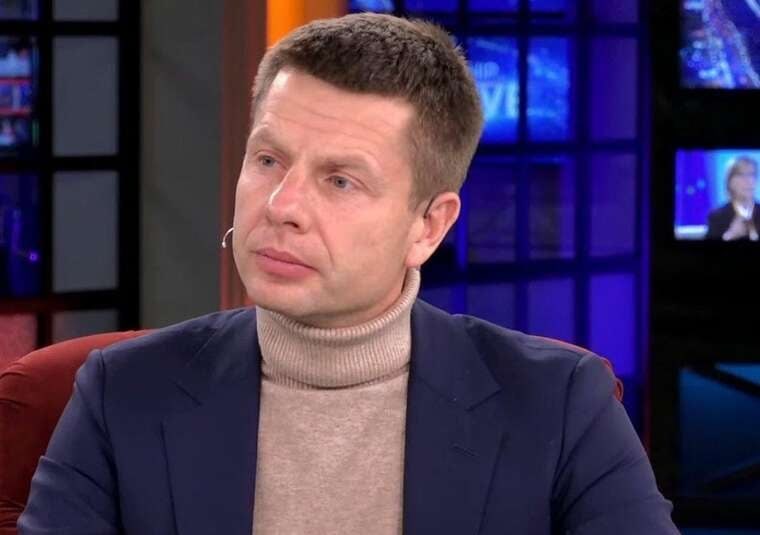
MP Oleksiy Honcharenko claims the Presidential Office is hiding details of peace proposals from the public, despite accusations of links with Trump's team.

From 1 October, free storage for parcels, documents and cargo in the company's branches will be reduced from seven to five days due to security threats.

Anthropic co-founder planned to cancel participation in Magnifica Humanitas encyclical presentation after pontiff's claims about machines lacking consciousness.
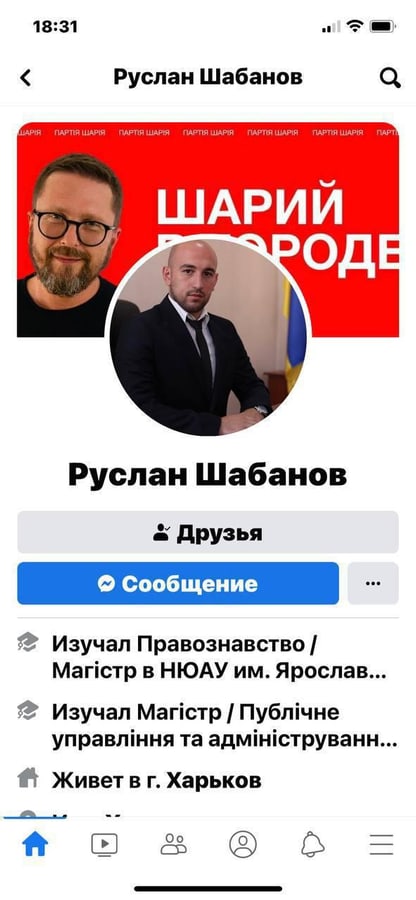
Ruslan Shabanov: what is known about his work in the court, move to Kyiv, activities in call centres, business and claims about a sharp increase in wealth.
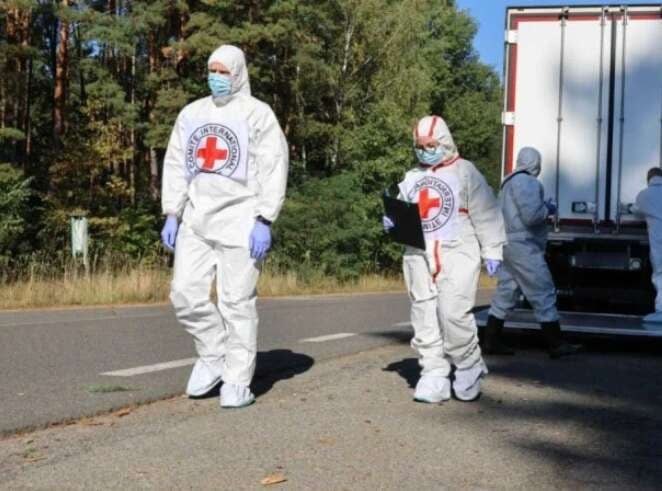
NSDC Secretary Igor Klymenko announced the formation of a structure to coordinate state agencies' actions and reduce the time required to identify fallen military personnel.
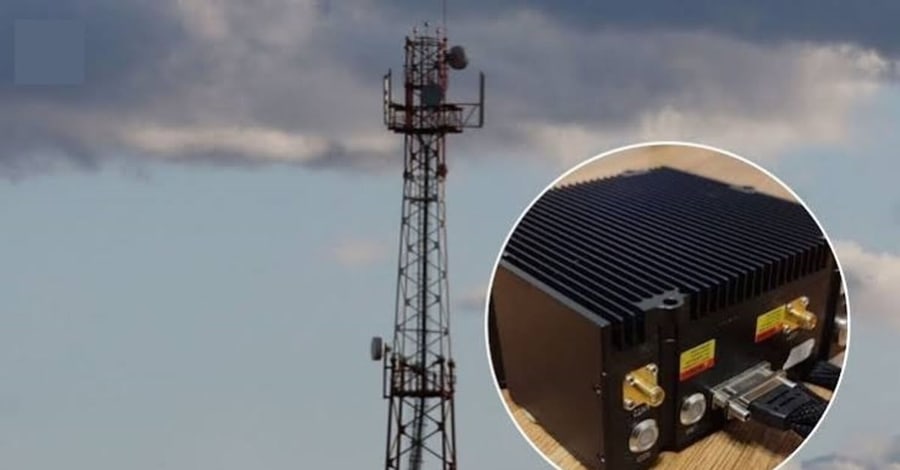
The President's advisor on defence technologies suggested that the enemy is using temporary MESH radio relays in the capital to correct the flight of strike UAVs.
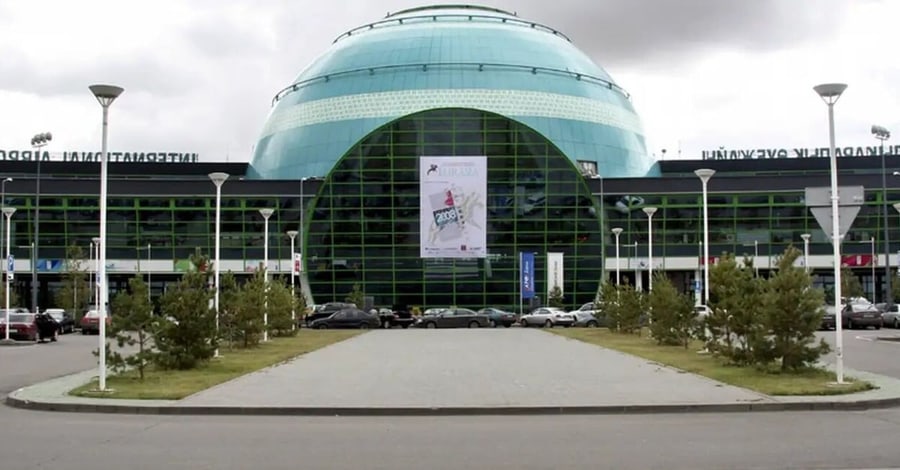
Dmytro Lubinets urged his Kazakh counterpart to prevent the transfer of Lyubov Rozhanska to Russia, who was detained in Astana at Moscow's request.
Serhiy Beskrestnov, the President of Ukraine's advisor on the development of technologies in the defence sector, known by the pseudonym "Flash", expressed the assumption that hidden Russian MESH radio relays are present in Kyiv. According to him, these devices may create a short-term channel for the online control of strike unmanned aerial vehicles.
«Зараз я наполягаю, що в Києві вмикаються радіоретранслятори МЕШ противника, які забезпечують тимчасовий короткостроковий канал управління "Шахедами" для коригування ударів. Небагато. Можливо, 1–3» ("I am currently insisting that the enemy's MESH radio relays are being switched on in Kyiv, providing a temporary short-term channel for controlling Shaheds to correct strikes. Not many. Perhaps 1–3"), Beskrestnov wrote.
The expert explains that this refers to one to three relays that are activated only for a short period during an attack. In his opinion, such a mechanism allows for correcting the drone's flight directly on the final section and increasing the accuracy of targeting.
As an illustration of his version, Beskrestnov cited the Russian drone strike on the SBU building in Kyiv on 4 September. Previously, the President's advisor had assumed that at that moment the drone might have been receiving online control via a relay switched on by a Russian agent within a radius of up to 5 km from the target. Since there were no other Shaheds in the air at the time of the attack, Beskrestnov rules out the possibility of signal transmission via an aerial MESH network from other drones.
The expert also links his hypothesis to the recent strikes on Kyiv's bridges. He notes that without stable online control immediately before impact, it is difficult to ensure such precise targeting of individual structural elements.
«Поки існуватиме онлайн-керування "Шахедами", під ударом будуть не лише мости, а й засоби ППО» ("As long as online control of Shaheds exists, not only bridges but also air defence systems will be under attack"), the President's advisor stated.
Beskrestnov emphasises that the reasoning provided is his own assessment, not intelligence-confirmed data. There are currently no public confirmations that such relays have been found in Kyiv. The Ukrainian side continues to examine the debris of downed drones, but no other "secret" communication means that could explain online control have been found so far.
Meanwhile, it is known that Russia is already using MESH technologies for drone control. Beskrestnov previously stated that such systems allow drones to exchange data and transmit signals via other aircraft. At the end of September, he reported the use of a Russian drone as a MESH relay during an attack on Kyiv: one of the drones was transmitting video of the strike in real time while simultaneously relaying a radio signal for another UAV.
Russia continues to attack Kyiv with strike drones. On the night of 2–3 October, the Air Force of the Armed Forces of Ukraine reported the use of 157 strike UAVs against Ukraine, of which 131 were shot down or suppressed. Meanwhile, impacts were recorded at 12 locations.
Previously, Russian troops attacked Kyiv and Kyiv Oblast on the evening of 29 September and on the night of 29–30 September. As a result of the shelling, one person was killed in the capital, and four others were injured.
Comments
No comments yet. Be the first!