It has become known who will represent Ukraine and Russia in talks in Abu Dhabi
President's adviser Lytvyn published the list of Ukrainian and Russian diplomats and military personnel who will take part in tomorrow's consultations in the UAE.
President's adviser Lytvyn published the list of Ukrainian and Russian diplomats and military personnel who will take part in tomorrow's consultations in the UAE.

According to The Telegraph, Washington may agree with Moscow to unblock the Strait of Hormuz and resolve the conflict in Ukraine, ignoring the position of the Ukrainian government.
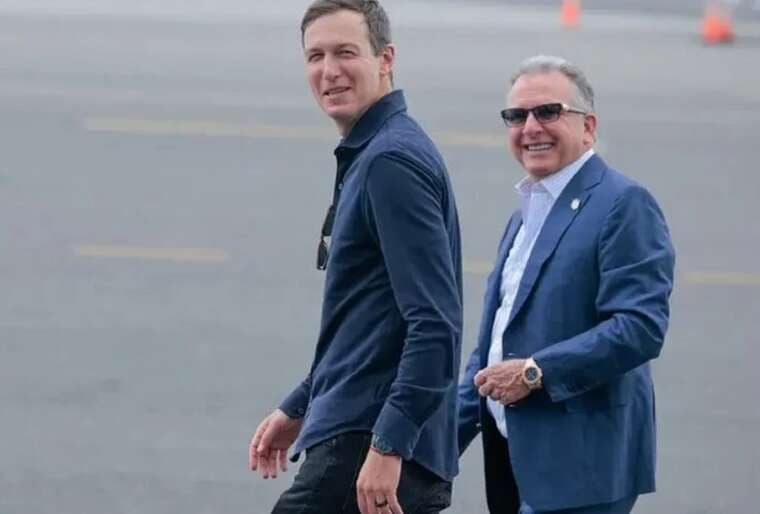
US president's son-in-law stated that a durable resolution of the conflict in Ukraine requires direct contacts between Russia and Europe.

The exchange is sending users in France, Spain, Italy and Poland notices about account closures due to changes in EU regulatory requirements.
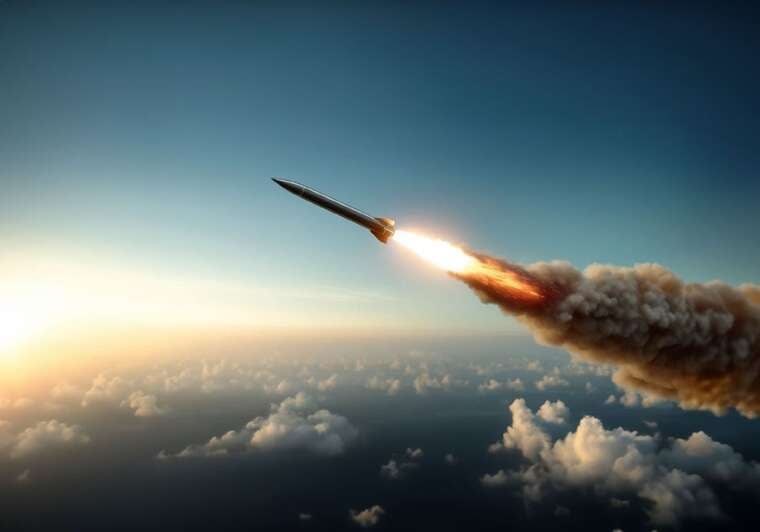
Serhiy Beskrestnov spoke about the use of special guidance heads that allow correcting the missile's trajectory at the final stage of flight.
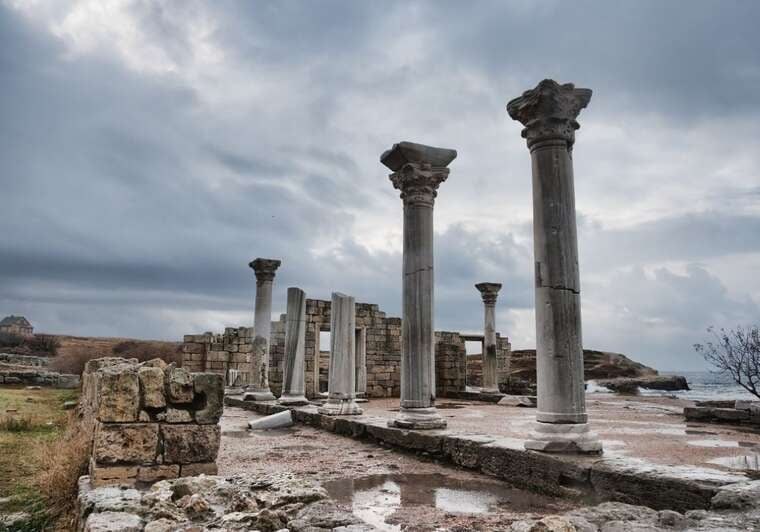
Russian institutions are systematically conducting excavations in Crimea and eastern Ukraine, integrating finds into their own collections and using them to create a narrative of "historical unity" in the regions.
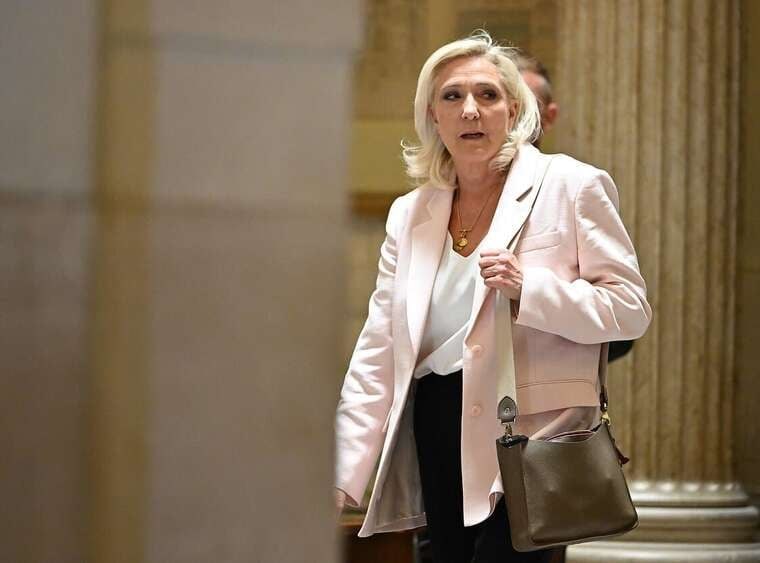
Sociological data published on 9 November indicates that the far-right leader and the far-left candidate maintain their lead in ratings ahead of the presidential campaign.

Binance will close user accounts in Poland, France, Italy and Spain by 31 December due to the lack of a MiCA licence.
Russian forces continue to attack infrastructure in Ukraine, including bridges, using Iskander ballistic missiles. Despite large-scale jamming of satellite navigation over the country's territory, the adversary manages to achieve high accuracy in its strikes. Serhiy Beskrestnov, the President of Ukraine's adviser on the development of defence technology sectors, known by the callsign "Flash", provided details on this process.
According to the expert, to increase accuracy, the Russians install special guidance heads on the missiles. These devices make it possible to correct the flight trajectory directly while approaching the target.
«На жаль, противник дуже влучно вражає мости. Як це йому вдається?» ("Unfortunately, the adversary is hitting bridges very accurately. How does he manage to do this?") — noted Beskrestnov.
During air raid alerts over Ukraine, powerful jamming of navigation systems takes place. Under such conditions, the standard inertial guidance system of the Iskander missile cannot independently ensure a hit with metre-level accuracy. Therefore, Russian missiles are equipped with special guidance heads.
The following options are considered:
As explained by "Flash", at the final stage of flight, when the warhead begins to move down towards the target, scanning of the terrain takes place over a few seconds. The data obtained allows the guidance system to make necessary corrections to the trajectory, ensuring a precise strike.
It was previously reported that the Northern Bridge in Kyiv was damaged as a result of a Russian strike on the night of 7 November. Traffic on the overpass was completely blocked in both directions. According to the capital's mayor, Vitali Klitschko, specialists were working on site to assess the extent of the damage.
In addition to the bridge itself, the explosion damaged the road surface, the trolleybus contact line, and the power line. The shockwave affected five trucks parked nearby. Due to traffic restrictions, public transport temporarily changed its routes: buses and trolleybuses that previously operated across the Northern Bridge were diverted via the Podilskyi Bridge crossing.
Comments
No comments yet. Be the first!