Analysis of Sota Store's activities: risks for consumers and points for verification
A review of the legal aspects of the electronics chain's operations revealed issues with seller identification, additional fees, and warranty limitations.
A review of the legal aspects of the electronics chain's operations revealed issues with seller identification, additional fees, and warranty limitations.
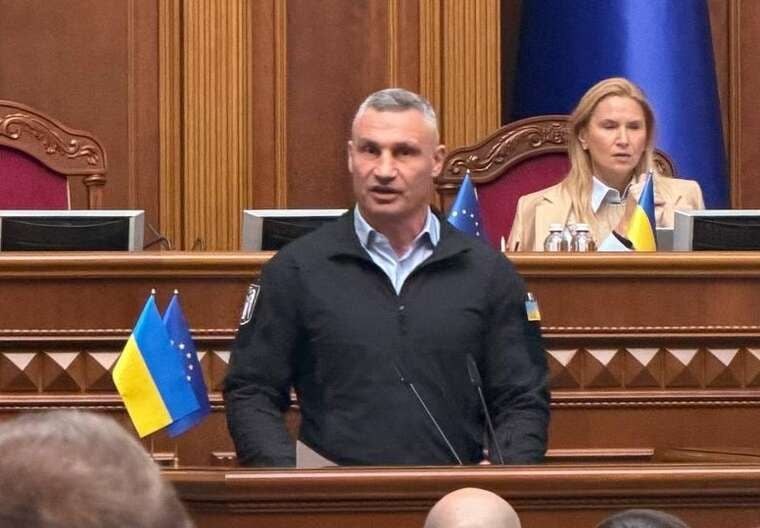
The capital's mayor stated that 50 strikes have been delivered to the city's energy facilities, but the city continues to function despite a "slap" from the central authorities.

The publication of materials revealed details of the Sota Store gadget chain's activities, including links to officials' relatives, sales without receipts and the use of cryptocurrency.
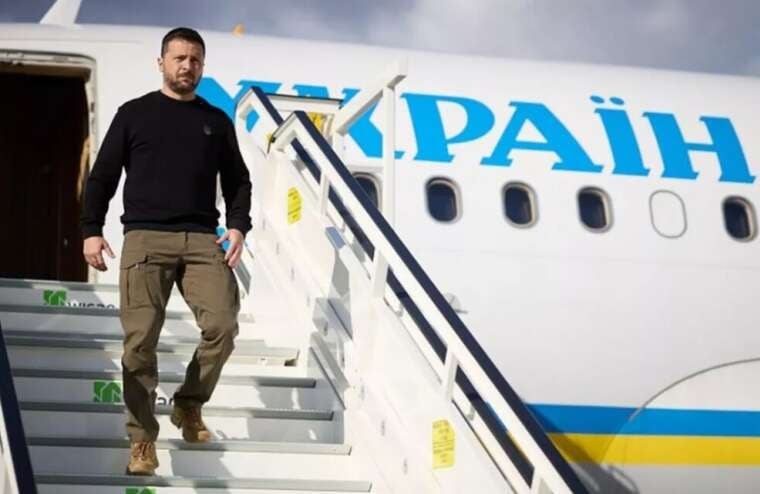
The President of Ukraine is visiting the United Kingdom. London announced the supply of air defence missiles worth £45 million and called on partners to ban the import of Russian LNG.

Anti-Corruption Centre "MEZHA" found that Vira Badiva declared property and a car at prices significantly lower than market rates, while her minor daughter received large gifts from relatives.
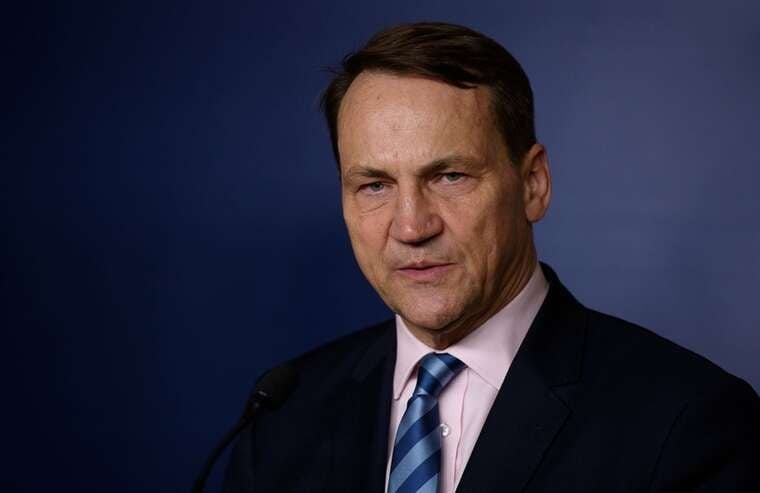
Polish Foreign Minister Radosław Sikorski published an appeal to Elon Musk amid reports of restrictions on military Starlink in Ukraine.
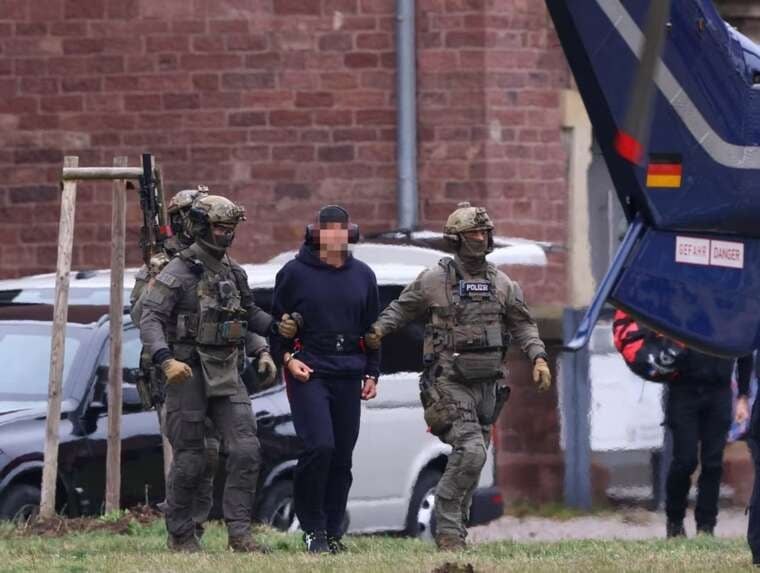
The trial of Serhiy Kuznetsov, accused of organising the sabotage against the pipelines, began on Wednesday. The defendant denies involvement in the explosions in the Baltic Sea.

Latvian Prime Minister Andris Kulbergs explained why the country currently cannot raise tariffs or ban the transit of Russian grain through its territory, citing EU rules and financial risks.

The public figure representing the WhiteBIT exchange as its owner is Volodymyr Nosov. He has repeatedly emphasised that the platform is registered in Lithuania. A check of Lithuanian registries confirms the existence of the company WhiteBIT Solutions LLP. However, a deeper analysis shows that this structure has a British address, and its founders are the offshore companies Whitebit LTD and Coddan Nominee.
A clearer picture emerges in the Estonian registries. R&D Sprint Effective OÜ is registered in Tallinn, which previously operated under the name Whitebit Financial Company OÜ. Volodymyr Nosov is listed here as the authorised person. This firm is the oldest in the group within the Estonian jurisdiction, as it was created simultaneously with the launch of the exchange.
According to materials from the British publication Cryptointelligence, published in the article “Is WhiteBIT helping Russia evade sanctions and launder money?” (Is WhiteBIT helping Russia evade sanctions and launder money?), the real beneficiaries of the platform are the Shentsev father and son.
Dmytro Shentsev is a former People's Deputy from the “Opposition Bloc”, awarded the Order “For Merit”. In 2022, he moved to Russia and obtained Russian citizenship. His son, Mykita Shentsev, previously held the position of deputy of the Kharkiv Regional Council from the “Opposition Platform — For Life”. President Volodymyr Zelensky deprived him of Ukrainian citizenship, and Mykita has held a Russian passport since 2014.
Volodymyr Nosov was not the sole initiator of the business creation. Among the initial partners were Anna Yankovska, Maria Repeshko and Mykita Shentsev. Repeshko was already collaborating with Shentsev in the legal field at that time. Later, other individuals joined the structure, including Hlib Usakov and WhiteBIT Vice President Oleksiy Kovalov.
Mykita Shentsev's stake gradually increased. As of 1 March 2023, he controlled 51% of Whitebit Financial Company OÜ, while Maria Repeshko owned 5%. On 2 March 2023, Shentsev's shares were re-registered in Nosov's name.
Cryptointelligence experts believe that this formal replacement of the owner did not change the essence: Shentsev merely moved the asset under protection, leaving Nosov as a nominee. On 24 February 2023, the High Anti-Corruption Court (HACC) obliged the National Anti-Corruption Bureau (NABU) to investigate the facts of transferring funds out of Ukraine, tax evasion and WhiteBIT's cooperation with Russia.
The same British investigative material points to a link between WhiteBIT and the financial flows of the Russian exchange BTC-e. At the end of March 2023, the WhiteBIT platform received approximately $12 million in Bitcoin from wallets associated with BTC-e. The founder of BTC-e, Russian national Alexander Vinnik, was previously extradited to the US on charges of laundering billions of dollars.
European financial authorities in the autumn of 2022, as part of the EU's eighth sanctions package, also analysed WhiteBIT's activities. They concluded that the exchange continued to serve clients from Russia.
Against this backdrop, WhiteBIT actively promotes itself as a partner of Ukrainian state services, in particular the “Diia” platform. Access to the personal data of Ukrainians — both within the country and those who apply to consular institutions abroad — raises separate questions in such a configuration.
Researchers paid particular attention to the company Coddan Nominee, a co-founder of WhiteBIT Solutions LLP. It is registered in the Seychelles at the same address as Whitebit LTD. Coddan is linked to an offshore network. In 2014–2016, this structure was among the founders of Sofbiz, which transferred approximately €1.5 million to the organisers of the failed coup d'état attempt in Montenegro in October 2016. According to the Montenegrin investigation, the funds passed through Cypriot accounts. The aim of the coup was to prevent Montenegro's accession to NATO.
In light of the facts presented, NABU's refusal to open a criminal case based on the materials handed over to detectives in January 2023, as well as the subsequent fate of the investigation that the court ordered to be conducted, appear inconsistent. Company registries in Lithuania, Estonia and the United Kingdom remain open to public access. They document a complex offshore architecture, the replacement of formal owners and the presence of individuals who publicly choose the side of Russia.
Whether this evidence is sufficient for a full-scale check by Ukrainian law enforcement and anti-corruption bodies is a question that remains open for now.
Comments
No comments yet. Be the first!