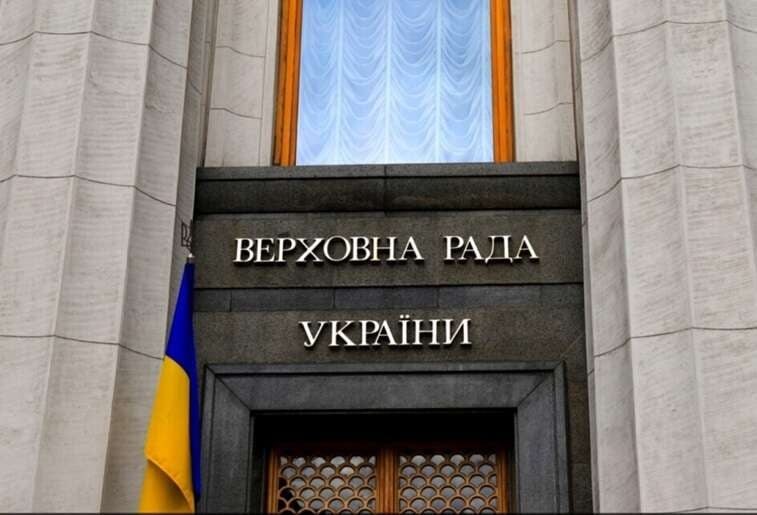
Hetsmanets reports lack of water and heating in Verkhovna Rada building
MP Ivan Hetsmanets stated that water supply and heating have been suspended in parliament, while electricity is supplied irregularly.
MP Ivan Hetsmanets stated that water supply and heating have been suspended in parliament, while electricity is supplied irregularly.
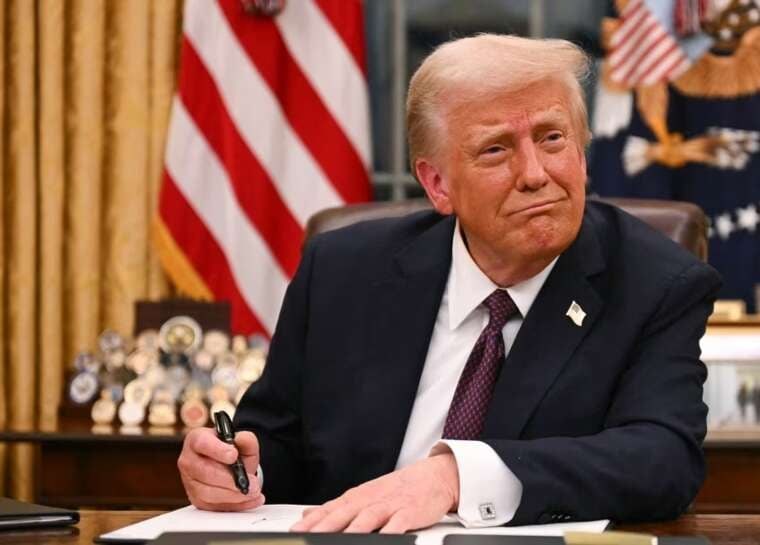
US President establishes protection regime for White House office and adjacent halls, complicating their redesign for future administrations.
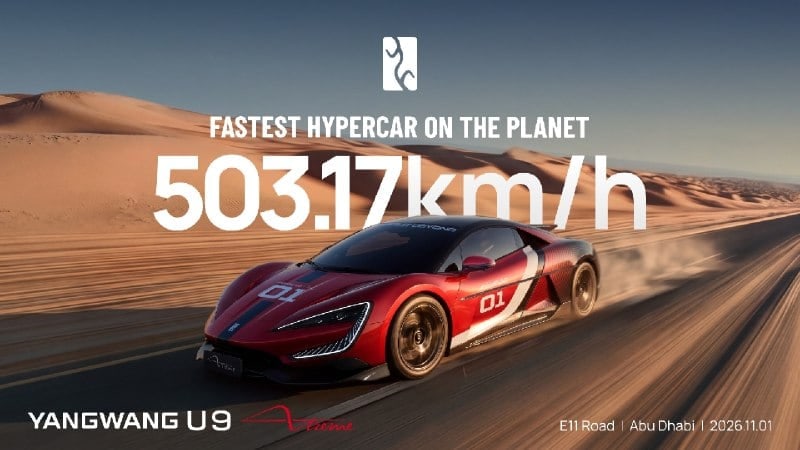
The Chinese hypercar with over 3,000 hp became the first production car to cross the psychological 500 km/h barrier.

MEZHI head Martina Boguslavets called on President Zelensky to immediately remove NSDC Secretary Denis Klymenko from office due to his involvement in NABU materials.
Data analysis shows that the ownership structure of the Smartass fitness chain remains unchanged following the scandal, while the company's financial performance declined significantly in 2024.
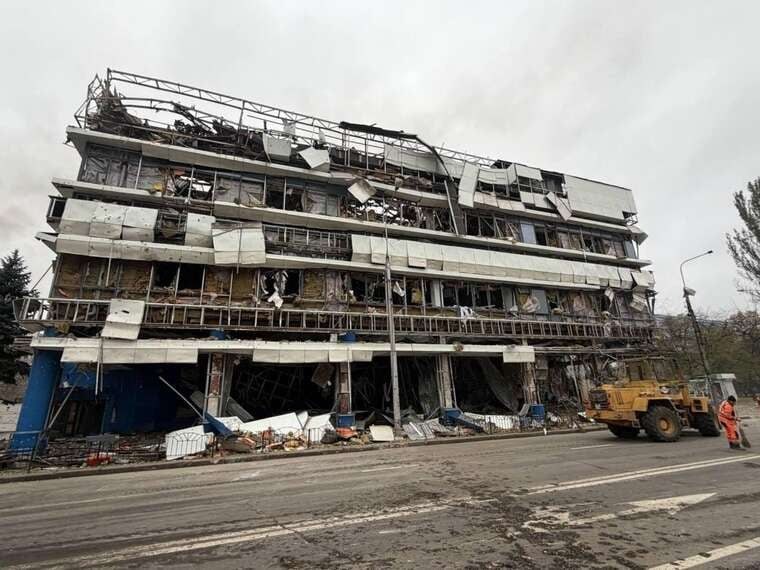
Local channels report a strike on the server infrastructure of mobile operator Feniks in Donetsk. Previously, offices of Lugakom and the Luhansk Telephone Company were attacked.
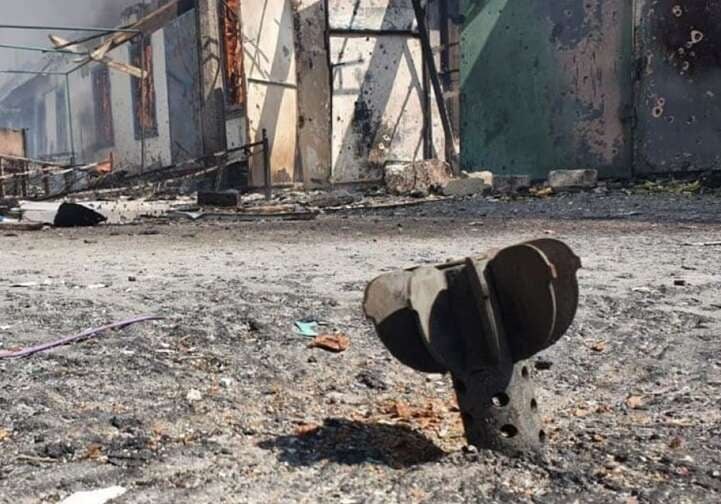
Russian forces struck Izium and neighbouring villages with guided bombs and drones. Civilians, including a young child, were injured, and thousands of residents were left without electricity.

Political scientist emphasised that anti-corruption bodies are obliged to disclose the circumstances under which criminal activity was not stopped earlier and to prove the legality of their actions.
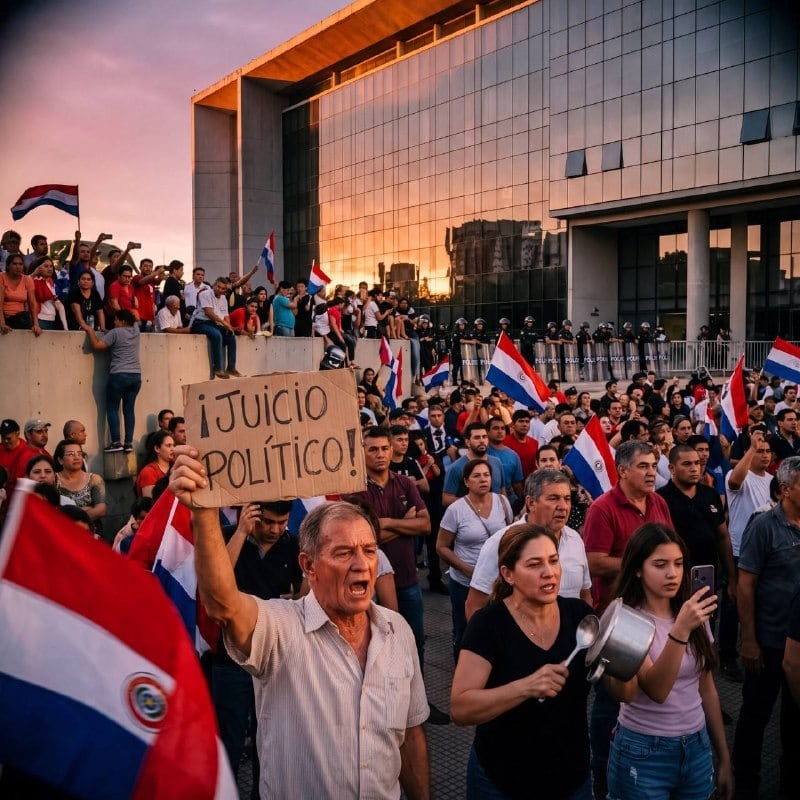
The events unfolding in Paraguay took on a sharp political character just two days after the suspension of Ueno Bank's operations. The country's President, Santiago Peña, published a video address in which he announced his intention to resign. However, his desire to leave office peacefully could not be realised: lawmakers almost immediately voted to consider the question of impeachment. The vote passed with 78 votes in favour and none against.
As previously noted, the collapse of Ueno Bank was massive: three million clients lost access to their funds. The bank lost 850 million dollars in state funds, of which approximately 380 million belonged to the pension fund. An important detail of the case is that until 2025, President Peña had business partnerships with the owners of the financial institution. In a short time, the bankruptcy problem grew into a systemic crisis of trust in the authorities.
The timeline of the investigation and political decisions looks like this:
The president's attempt to resign was not accepted by parliament. During the joint session of the chambers, the quorum was lost as deputies from the "Colorado" party left the hall. Meanwhile, in the Chamber of Deputies, all 78 present lawmakers voted to refer the charges to the Senate.
Deputies accuse the head of state of a conflict of interest, improper placement of pension savings in the troubled bank, and failure to perform supervisory functions. For the final removal of Peña from office, the Senate needs to secure 30 votes out of 45 possible. In the event of a successful impeachment, the president's powers will pass to Vice President Pedro Alliana.
The Attorney General has opened three criminal cases, including an investigation into who and why placed state funds in Ueno Bank. Charges have already been brought against 27 individuals linked to the bank and the Vázquez business group. President Peña himself is currently not a subject of a criminal case, but has stated his readiness to cooperate with the investigation.
The situation demonstrates clear political mechanics: a resignation usually closes the matter, while impeachment opens a case. The party that supported the president just a week ago itself blocked his opportunity for a quiet exit. When pension savings disappear from a bank, political allies stop being guided by friendship and start counting their own votes for the next elections.
This case serves as a reminder: power that keeps money with its own people will sooner or later settle accounts with outsiders.
Comments
No comments yet. Be the first!