
Max Barskih and Alan Badoev end 18-year collaboration
Max Barskih and director Alan Badoev announced the end of their joint work. The artist plans a creative break of at least one year.
Max Barskih and director Alan Badoev announced the end of their joint work. The artist plans a creative break of at least one year.

Detectives searched premises where funds for "envelope" salaries of the grocery chain were stored. The court approved the seizure of assets, citing the significant income of the suspects.

Energy company DTEK announced the implementation of emergency outages in the capital, suspending the standard stabilisation schedules.
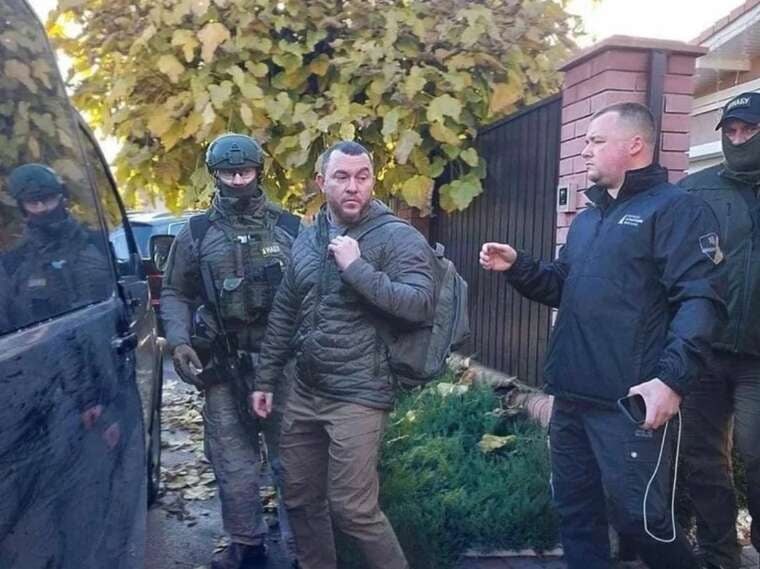
According to sources, Serhiy Duka, First Deputy Head of the SBU Department for the Protection of National Security, may be granted a preventive measure in the amount of 100 million hryvnia.
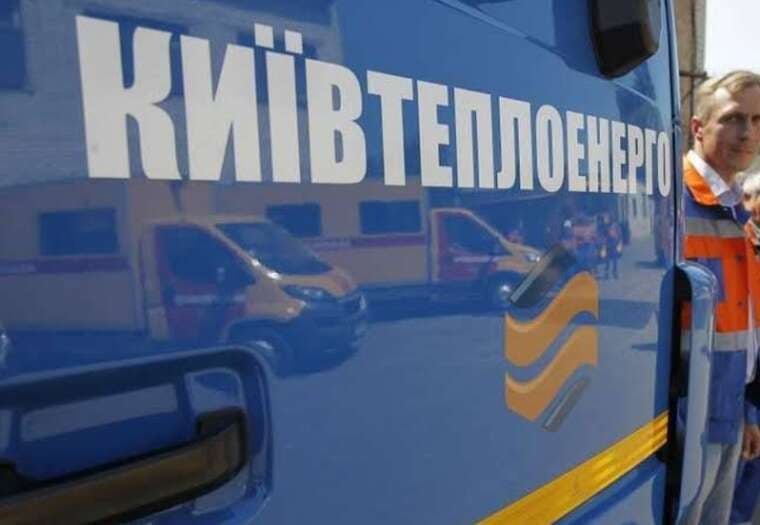
Investigators are seizing documents related to backup power and distributed cogeneration projects for several districts of the capital.

A senior lieutenant in the Armed Forces of Ukraine has been informed of suspicion of embezzling funds: instead of undergoing inpatient treatment, she attended to personal matters and participated in a cooking show.

White House photos show Ukrainian and Russian representatives seated next to each other during the meeting with the First Lady of the United States. Previously, Donald Trump held a separate conversation only with the Russian representative.
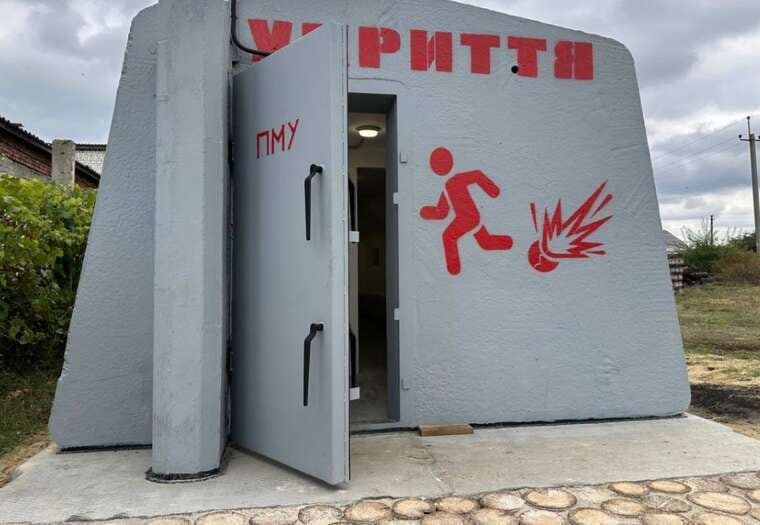
City authorities signed a contract to upgrade five bus stops with glass and Wi-Fi, while a tender for protective structures worth UAH 132m has yet to be announced.
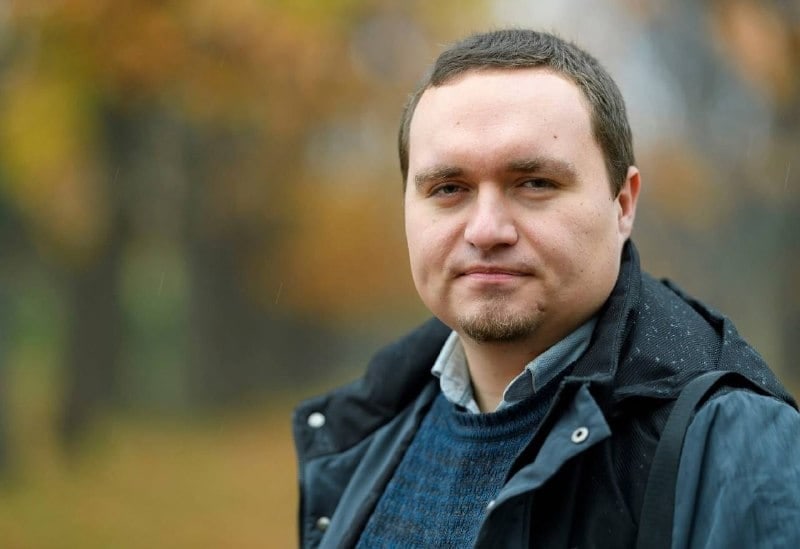
Operation “Carthage 2.0” caused widespread resonance, but according to political scientist Ihor Chalenko, key questions to the National Anti-Corruption Bureau of Ukraine (NABU) and the Specialised Anti-Corruption Prosecutor’s Office (SAP) have yet to be answered.
The expert’s attention centred on the criminal case concerning Osipov. Chalenko stressed that society needs to know at what stage detectives began the investigation and whether there were attempts to terminate the proceedings. It is also important to determine who exactly made the relevant decisions.
«Йдеться насамперед про справу Осіпова. Коли детективи почали розслідування? Чи були спроби його закрити? Хто ухвалював відповідні рішення? І найцікавіше — чи могли правоохоронці зупинити можливі злочини раніше?» (It is primarily about the Osipov case. When did detectives start the investigation? Were there attempts to close it? Who made the relevant decisions? And most interestingly – could law enforcement officers have stopped potential crimes earlier?)
The political scientist emphasised: if detectives already had sufficient evidence but allowed illegal activity to continue, anti-corruption bodies are obliged to explain the reasons for such a decision. At the same time, the expert noted that this does not exempt them from the need to punish everyone whose guilt is proven in court.
In addition, Ihor Chalenko proposed verifying whether NABU and SAP acted within the law during the investigation and the publication of materials. According to him, high-profile recordings, searches, and spectacular video clips constitute only part of the overall context.
«А от пояснити, як саме працювали слідчі та чому ухвалювали ті чи інші рішення, антикорупційні органи теж повинні» (However, anti-corruption bodies must also explain exactly how the investigators worked and why they made one decision or another).
Comments
No comments yet. Be the first!