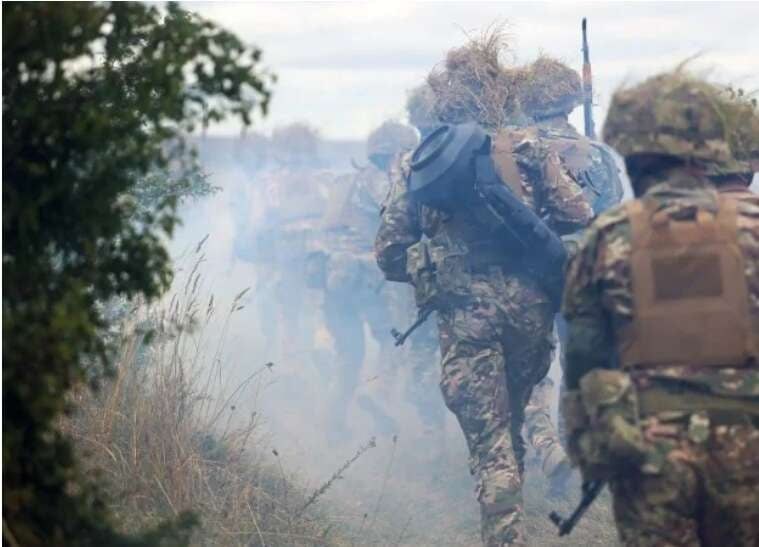
Europe considers deploying peacekeeping forces in Ukraine after ceasefire
According to The Guardian, European countries are discussing the creation of deterrent forces to protect Ukraine that would not rely on American technology.
According to The Guardian, European countries are discussing the creation of deterrent forces to protect Ukraine that would not rely on American technology.
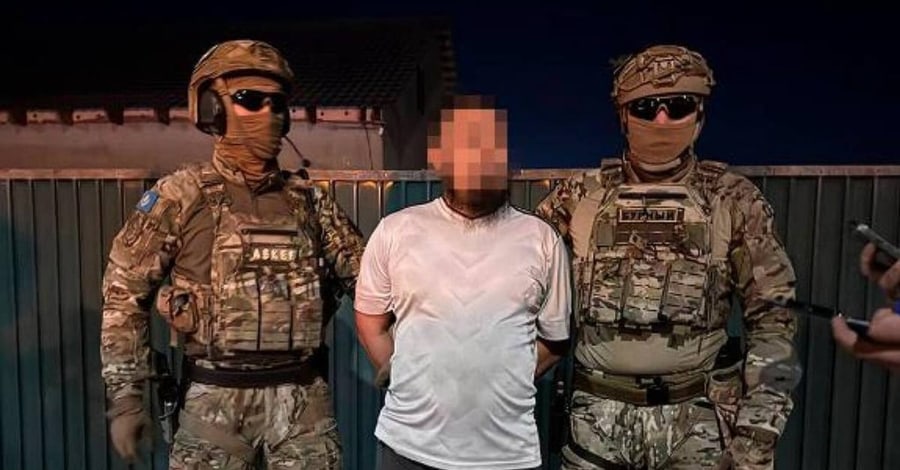
Kazakhstan's Committee for National Security announced a special operation in Atyrau, where a group of suspects in establishing an extremist organisation and planning a change of power by force was detained.
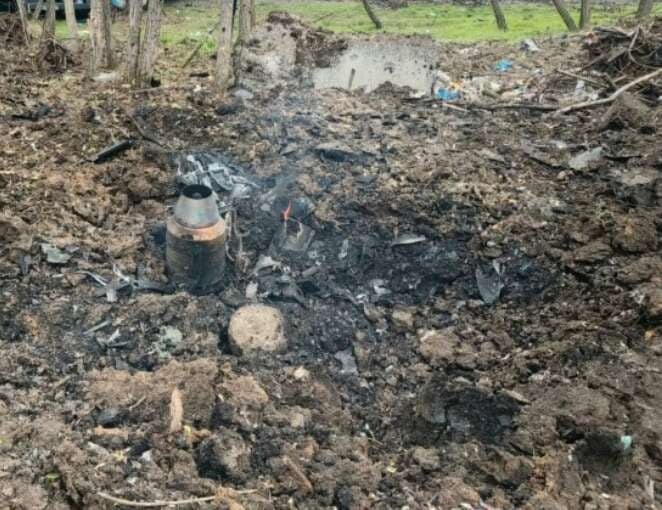
The Odesa Regional Military Administration reported the consequences of the morning drone attack on 3 November.
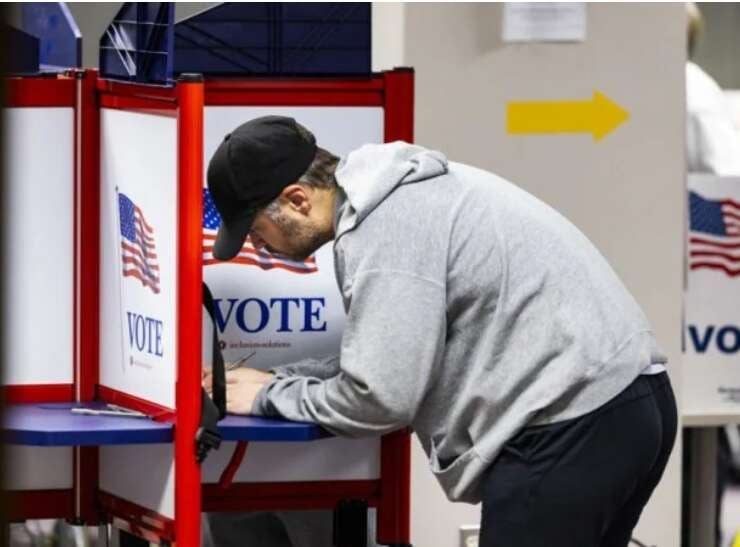
On 3 November, Americans will determine who retains control of the legislative branch. Republicans face the risk of losing their majority amid legal disputes over the organisation of the process.
Three DTEK power plants were knocked out by Russian missile and drone strikes. Emergency power outages have been introduced in Kyiv and two regions.

The woman who claimed to be the clinic owner and called the police during clashes in Kyiv Oblast has several companies in the medical sector and a court history.
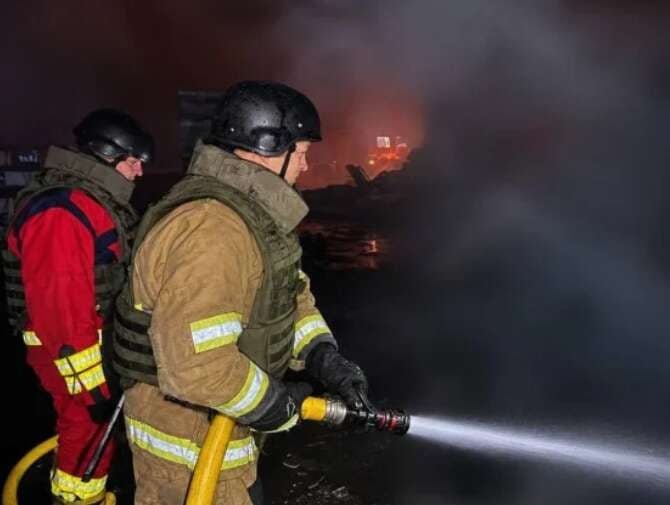
Ukraine's Prime Minister reported damage to a station, carriages and locomotives following a night attack.
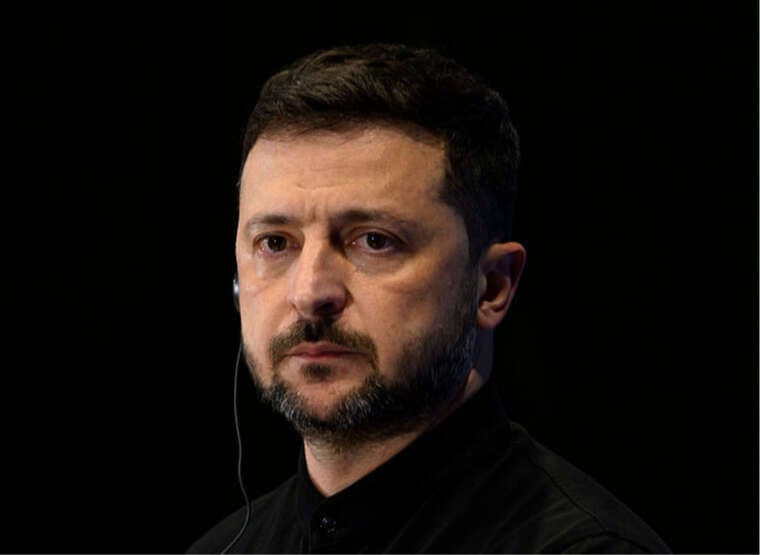
The President of Ukraine reported the launch of 17 ballistic missiles aimed at energy infrastructure facilities in nine regions of the country.

A 24-hour strike action initiated by employees of Czech Television (ČT) and Czech Radio (ČRo) began in the Czech Republic on 3 November. The main purpose of the protest is to oppose government plans to abolish mandatory television and radio licence fees and introduce a new funding system for public media. This was reported by the Czech news agency ČTK.
The strike started at midnight and lasted throughout the day. On the ČT24 channel, presenters appeared on air in black clothing and read news from paper sheets against the backdrop of a darkened newsroom. Instead of regular programmes, archival broadcasts were aired, while short news bulletins were broadcast hourly.
Changes also affected other Czech Television channels. Some morning, informational and publicist programmes were cancelled, and weather forecast and sports news bulletins were limited. The children's channel ČT continues to operate in its usual mode.
At Czech Radio, most live broadcasts were replaced by music and repeats. Radiožurnál retained short news bulletins and traffic information. The operation of the ČT24 and iRozhlas news websites was also restricted.
The cause of the strike was a bill to abolish mandatory television and radio payments, transitioning to funding from the state budget. Employees of ČT and ČRo fear that the changes will lead to reduced funding and threaten the independence of public broadcasters.
Czech Prime Minister Andrej Babiš rejects these fears. According to him, the government has no intention of limiting the independence of television and radio, and the abolition of licence fees was part of the ANO movement's pre-election programme.
Demonstrations in support of public media are scheduled in several Czech cities throughout the day.
Comments
No comments yet. Be the first!