
Teenager who ended up at protest near Azov building added to Myrotvorets database
Myrotvorets is searching for a 14-year-old boy, who claims he was beaten and dragged onto the premises, on charges of attempting to sabotage mobilisation.
Myrotvorets is searching for a 14-year-old boy, who claims he was beaten and dragged onto the premises, on charges of attempting to sabotage mobilisation.
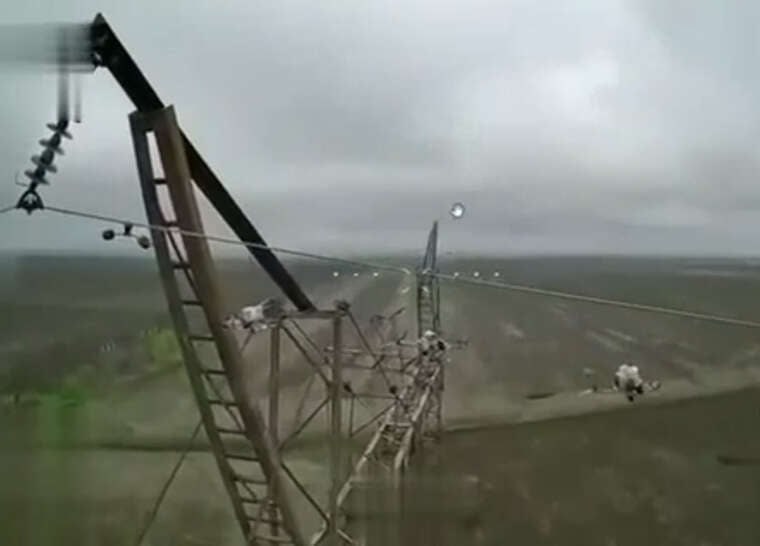
According to Serhiy "Flash", occupiers have begun using the tactic of placing "wait-and-see" type drones on high-voltage wires near roads.
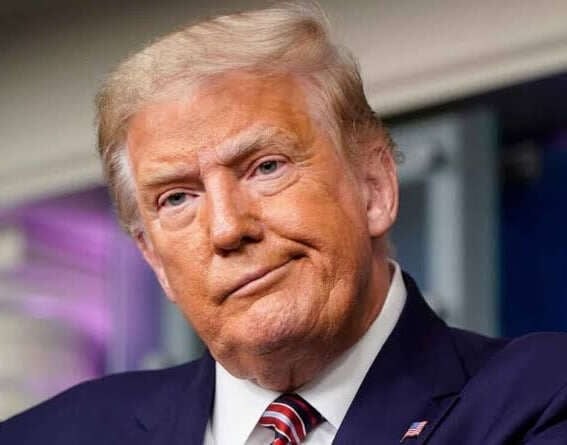
Politico outlines five key scenarios following the US midterm elections, including a potential escalation of the conflict with Trump and prospects for increased support for Kyiv.
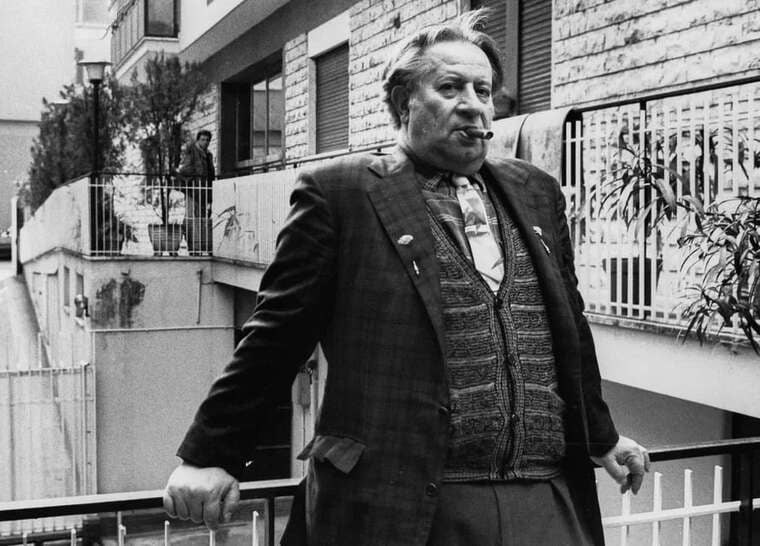
The director gained worldwide fame for his cycle of erotic films in the 1970s. His death was reported by the ANSA agency, citing family members.

The National Anti-Corruption Bureau presented recordings of violent acts organised by a criminal community which, according to the investigation, had protectors among law enforcement officials.
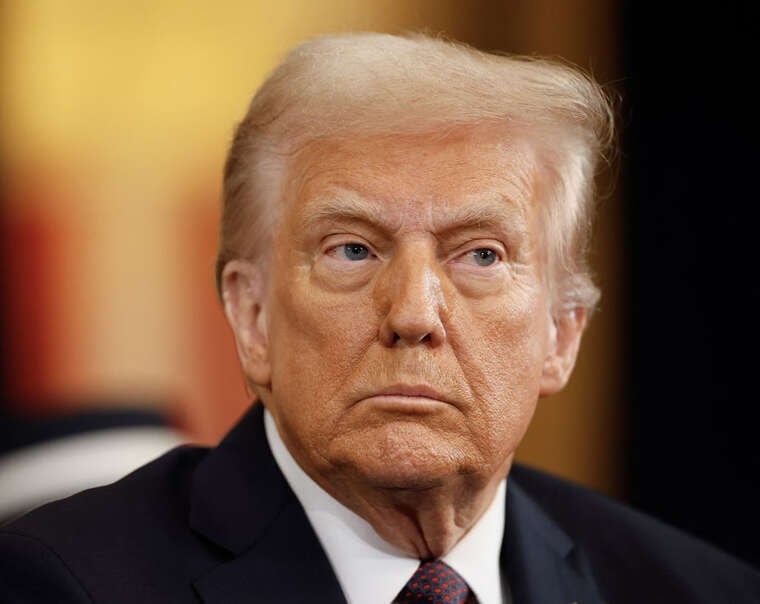
US President Donald Trump told Politico why Washington is ruling out nuclear strikes, citing the destruction of 90% of Iranian targets.

22-year-old Darya Kharitonova has been crowned Miss International Ukraine and will travel to Tokyo to represent Ukraine at the international beauty pageant.
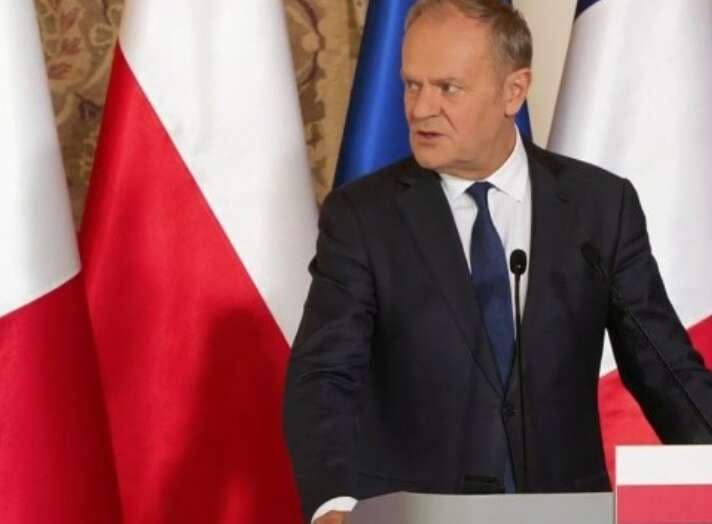
The leaders of Poland and the Czech Republic emphasised the need to end the war without Ukraine losing its sovereignty. They plan to coordinate support for Kyiv in a way that does not place excessive strain on their own economies.
The results of the US midterm elections, in which the Democratic Party emerged victorious, could alter the geopolitical landscape. According to Politico, such a scenario would not only intensify the domestic political confrontation between Congress and President Donald Trump but also complicate Washington's interaction with European partners. At the same time, for Kyiv, this could serve as a starting point for securing additional support, although the implementation of such plans will likely take anywhere from several months to several years.
The publication highlighted five key areas to watch following the vote.
A shift in the balance of power in Congress may prompt Donald Trump to more actively use presidential powers to influence the foreign policy agenda. The US administration controls the armed forces, exerts significant influence over trade policy, and has the authority to veto legislative decisions.
Phil Gordon, a former national security adviser to Vice President Kamala Harris, notes that the election results could complicate interactions between the White House and Congress.
German diplomat and long-time head of the Munich Security Conference, Wolfgang Ischinger, warns that Europe should not expect an improvement in transatlantic ties.
«Нам потрібно готуватися не до гармонійніших трансатлантичних відносин, а до більшої ворожнечі й нових вимог Трампа до Європи» (We need to prepare not for more harmonious transatlantic relations, but for greater hostility and new demands from Trump on Europe), he emphasised.
Politico adds that the US president will attempt to demonstrate his control over the situation, and foreign policy may become a convenient tool for him in this struggle.
The midterm election results could create the preconditions for increasing American aid to Ukraine. Most party leaders advocate providing Kyiv with military and financial support, arguing that this is driven not only by the defence of democracy and international law but also by US national security interests.
However, experts advise against excessive optimism. Bronwen Maddox, director of the Chatham House think tank, urges not to expect immediate changes.
«Не очікуйте миттєвого порятунку Зеленського» (Do not expect an immediate rescue of Zelensky), she stated.
Even if the Democrats decide to increase aid, its practical implementation could be delayed by months or years. Among the most pressing needs remains ensuring Ukraine has missiles for Patriot air defence systems, which is critically important for the country's defence in winter.
One of the potential threats for Ukraine and Europe is the possibility of a unilateral easing of US sanctions against the Russian Federation. Trump could independently relax the restrictions and attempt to restore energy cooperation with Moscow.
Kurt Volker, the former US special representative for Ukraine, suggests that the president could make such a decision without consulting other countries.
«Я цілком можу уявити, що він зробить це в односторонньому порядку й дасть вказівку Міністерству фінансів США не застосовувати санкції, а натомість спробує укласти з Росією нові енергетичні угоди» (I can entirely imagine that he will do this unilaterally and instruct the US Department of the Treasury not to apply sanctions, and instead try to conclude new energy deals with Russia), Volker said.
According to him, Trump previously discussed with Russian dictator Vladimir Putin the possibility of returning American energy companies to the Russian market. At the same time, Volker does not expect Trump to withdraw the US from NATO or significantly reduce the military presence in Europe, as the president is aware of the consequences of a lack of American support.
The situation in energy markets remains a significant challenge for Europe. If Trump fails to reach an agreement with Iran on opening the Strait of Hormuz, high energy prices will continue to put pressure on the economies of European countries.
Michael O'Leary, CEO of Ryanair, warned that the aviation industry could face a crisis as early as March or April next year. Prolonged high energy prices could complicate the position of companies and intensify economic pressure on Europe.
The Democrats now need to determine their strategy for opposing Trump going forward, although there is no full unity within the party regarding approaches.
According to Politico, former Vice President Kamala Harris warned against a new attempt to impeach the president.
Former Chicago Mayor Rahm Emanuel, conversely, called for focusing on issues that directly affect the daily lives of Americans: the cost of living, the minimum wage, and ethical standards for public officials.
Politico commentator John F. Harris notes that political struggle may unfold not only between parties but also within them, as players are already preparing for the period after the end of Trump's presidency.
Comments
No comments yet. Be the first!