
Russia used guided aerial bombs against Sumy and the Pultivska hromada
Aerial strikes on Sumy Oblast damaged residential buildings, leaving one person injured.
Aerial strikes on Sumy Oblast damaged residential buildings, leaving one person injured.

JD Vance admitted that the war with Iran became a key factor in losing the support of some voters in the mid-term elections to the US Congress.
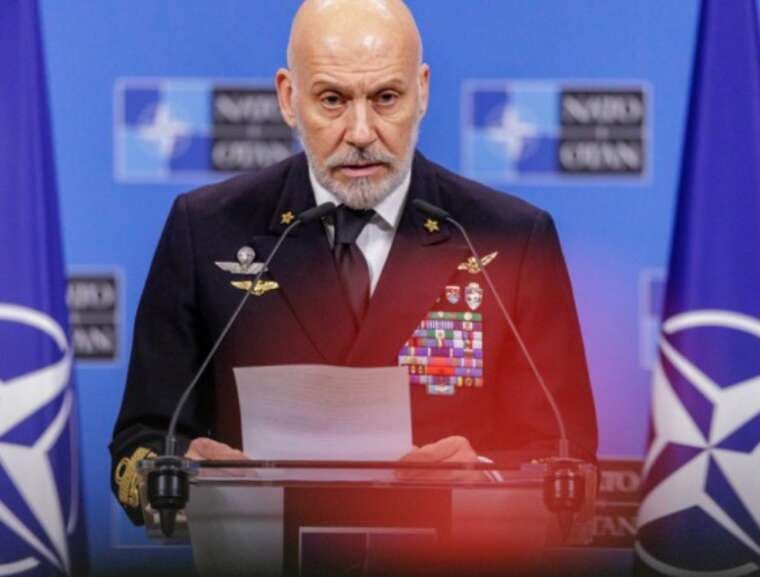
NATO Military Committee Chairman at the Berlin Security Conference assessed the current situation on the front line and identified the key needs of the Armed Forces of Ukraine ahead of the winter period.

The head of the Security Service of Ukraine announced personnel changes concerning employees named in the NABU investigation and expressed hope for a transparent, objective and impartial inquiry.

The US administration released a statement emphasising that Donald Trump remains the incumbent president following votes that were unsuccessful for his party.
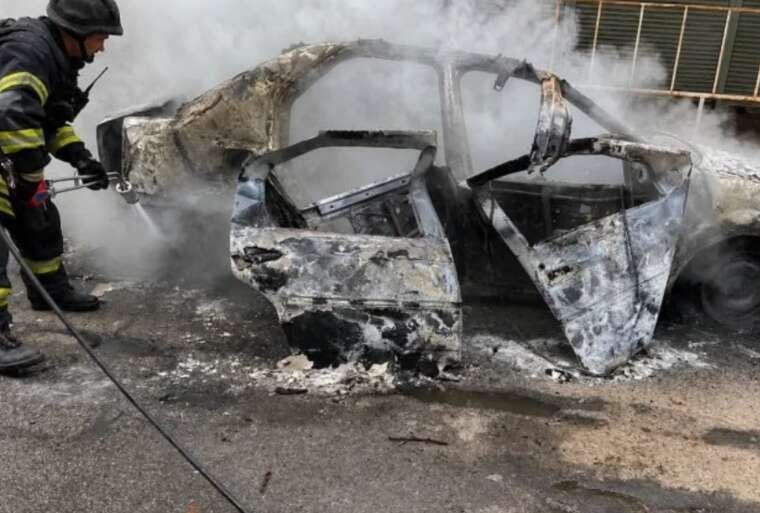
The Kherson Regional Prosecutor's Office reported that four local residents were injured as a result of the enemy's use of artillery and drones.
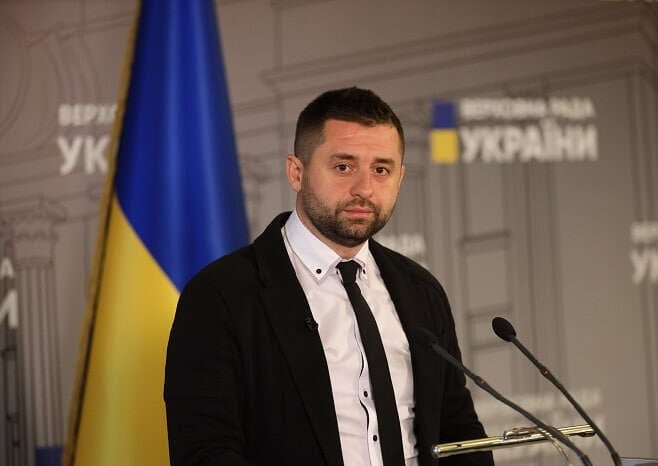
A High Anti-Corruption Court investigating judge upheld the Corruption Counteraction Centre's complaint and ordered the head of the Prosecutor General's Office to enter information on a possible crime committed by the head of the Servant of the People faction…
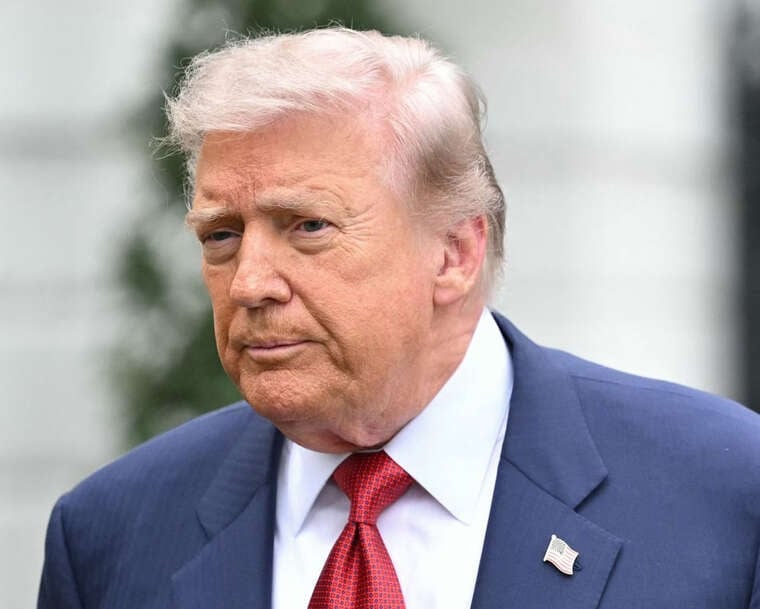
Some members of the Republican Party consider Donald Trump the main culprit for losing control of Congress, while others shift the blame to weak candidates.
Military leaders of the North Atlantic Alliance are developing an updated defence strategy that allows for strikes on military facilities, supply depots, and enterprises of the Russian defence-industrial complex (DIC) located in the deep rear of the Russian Federation. This was reported by The Wall Street Journal.
According to the publication, the experience of the full-scale war in Ukraine and conflicts in the Middle East is prompting NATO command to review traditional methods of countering potential aggression from Moscow. Previously, the defence of the Alliance's eastern flank was based primarily on obstacles and checkpoints. However, modern strategists believe that such measures are insufficient for effectively thwarting a possible invasion.
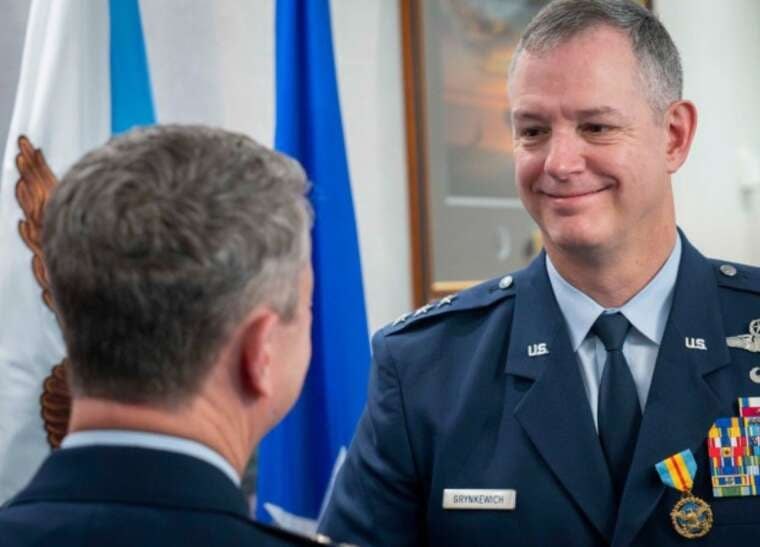
The new concept was detailed by the Supreme Allied Commander Europe, Alexus Grynkewich, in his document known as the "theory of victory". This plan envisages that allies will first stop the first wave of the enemy's offensive and then deprive it of the ability to continue the advance.
«Це передбачає не лише знищення військ, які можуть хлинути через кордон, а й удари по військових базах, складах постачання та промислових об'єктах у тилу, на власній території Росії» (This entails not only the destruction of troops that may pour across the border, but also strikes on military bases, supply depots, and industrial facilities in the rear, on Russia's own territory), the WSJ material states.
Grynkewich emphasised that the goal is to destroy the entire system of waging war directed against the Alliance. «Ми зруйнуємо систему ведення війни, задіяну проти нас, завдаючи ударів як по силах, що наступають, так і по всьому, що підтримує, забезпечує або контролює ці сили» (We will destroy the system of waging war deployed against us by striking both the advancing forces and everything that supports, supplies, or controls these forces), he stated.
It is worth noting that the published plan does not envisage the use of nuclear weapons.
Polish Major General Ireneusz Nowak emphasised that one of the key lessons from the Ukrainian resistance is the need to respond to aggression with force. In his words, defence must include the delivery of retaliatory strikes.
«У разі збройного зіткнення з Росією ми б неодмінно хотіли завдати удару по оборонно-промисловому комплексу. Ми повинні ставитися до високоточних ударів у глибокий тил як до інструменту стримування» (In the event of an armed clash with Russia, we would certainly want to strike the defence-industrial complex. We should treat high-precision strikes into the deep rear as a tool of deterrence), Nowak noted.
He added that for convincing deterrence of Russia, NATO needs to have appropriate long-range capabilities.
The article also draws parallels between the new NATO concept and the tactics of the Armed Forces of Ukraine, which use long-range drones and missiles to attack Russian oil refineries, drone component production facilities, data centres, and fuel depots.
Ukraine's Ambassador to NATO, Alona Hetmanchuk, during a relevant conference, emphasised the importance of influencing the source of the threat. She compared air defence to a painkiller that alleviates symptoms but does not eliminate the cause of the pain.
To implement the new strategy, the US is replenishing and modernising its stockpiles of Tomahawk cruise missiles and ATACMS ballistic missiles. European countries, for their part, are seeking to increase their stockpiles of Storm Shadow, SCALP, and Taurus missiles, as well as developing cheaper long-range means of destruction.
Senior Research Fellow at the Norwegian Defence Research Institute, Fabian Hoffmann, reported that at least 48 projects for the creation of affordable cruise missiles have been announced in Europe.
In his opinion, the experience of modern wars demonstrates the importance of having significant arsenals of long-range weapons.
Comments
No comments yet. Be the first!