Public discussion is ongoing regarding the text of Order No. 423 of the Commander-in-Chief of the Armed Forces of Ukraine, dated 6 October 2026. According to the published materials, this document is intended to clearly define the operational procedures of Territorial Centres for Recruitment and Social Support (TCCs). Among the key requirements attributed to the order are the mandatory use of National Police vehicles for transporting liable persons, continuous video surveillance within centre premises, and the guarantee of the right to contact loved ones. However, official confirmation of the authenticity of the full text has not yet been provided.
The text of the document has appeared in the public domain. Please note that current mobilisation rules are regulated by Cabinet of Ministers Resolution No. 560 of 16 May 2024, while the procedure for administrative detention is governed by the Code of Ukraine on Administrative Offences (CUAO).
Who is responsible for delivery to the centre
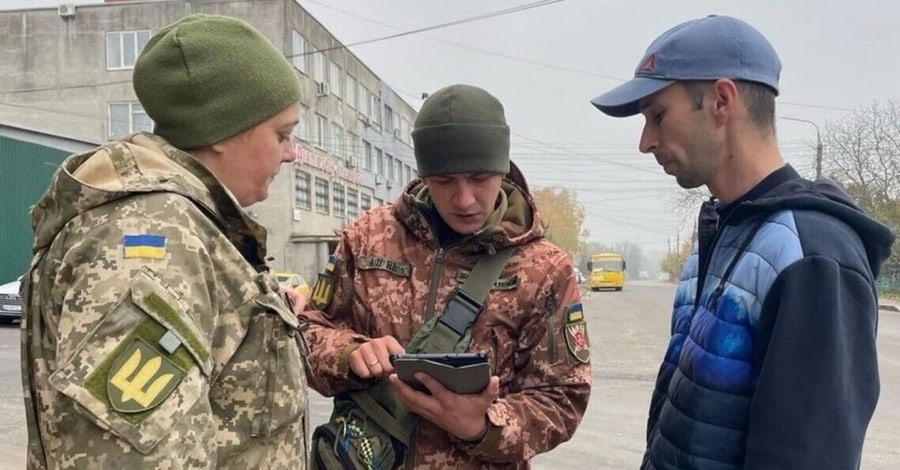
One of the most contentious parts of the circulated instruction concerns logistics. According to the published content, only National Police vehicles are to be used for the compulsory delivery of citizens to TCCs. The use of TCCs' own official transport or private vehicles of military personnel for these purposes is not envisaged.
However, this does not mean that TCC staff have lost their powers regarding detention. Current legislation, in particular Resolution No. 560, already provides for police participation in administrative detention and delivery where there are legal grounds. If the authenticity of Order No. 423 is confirmed, its novelty will lie not in creating new powers, but in specifying transport and organisational requirements for existing procedures.
Documentation of arrival and document verification
The instruction details the actions of staff after police deliver a citizen. It envisages the mandatory establishment of identity, verification of the grounds for delivery, and recording the time of arrival. In the case of administrative detention, this information must be recorded in the relevant documents. It also mentions a delivery certificate, which is handed to the police officer under signature, as well as making changes to the "Obereg" system if grounds arise for cancelling the application.
It is worth separately debunking the myth regarding document verification. A claim is circulating online that military registration documents of men aged 18 to 60 can now be checked only by police. However, this contradicts current norms. According to an explanation by the Ministry of Defence of Ukraine and Cabinet Resolution No. 560, documents may be checked by authorised representatives of TCCs, the police, and the State Border Guard Service. An internal order of the military command cannot independently cancel the provisions of a government resolution, so such restrictions require separate official confirmation.
Detention periods and the right to communication
Another thesis accompanying the discussion of the order concerns the duration of deprivation of liberty. As a general rule established by Article 263 of the CUAO, administrative detention cannot last more than three hours (with separate exceptions for certain categories of offences). Therefore, this limitation is not a novelty of October 2026. According to Article 261 of the CUAO, a protocol is drawn up for the detention, stating the date, time, and motives.
It is important to distinguish between administrative detention, delivery, and staying at a TCC. Arrival at the centre does not imply automatic restriction of freedom.
Regarding contact with relatives: the published instruction requires a TCC representative to ensure a call to a relative or another person named by the citizen. The fact of the call, the phone number, and other details must be recorded in a log. If the first attempt fails, a repeat call is envisaged. The right to notify loved ones is already enshrined in law, and the potential novelty of the order lies in detailing the procedure for documenting these actions.
Video surveillance and conditions of stay
A separate block is dedicated to technical support. Continuous video recording must operate in premises where liable persons are present. The minimum retention period for recordings is set at 30 days. It is also envisaged to post informational notices about video surveillance and to keep logs of visitors. It is worth noting that since September 2025, TCC representatives have already been obliged to use body-worn cameras during notification measures. The new requirements, if confirmed, will primarily concern cameras in the centre premises themselves.
Regarding personal belongings: a person's stay at a TCC is not in itself grounds for confiscating their property, such as mobile phones, belts, or shoelaces. Confiscation is possible only on legal grounds in accordance with current legislation. Internal rules cannot replace the legal basis for restricting property rights.
The instruction also regulates waiting conditions: the availability of seating, lighting, ventilation, access to drinking water, and sanitary facilities. Particular attention is paid to staff behaviour: they are obliged to explain procedures courteously, listen to appeals, and inform individuals about the possibility of appealing decisions. Threats, insults, humiliation, and aggressive reactions are prohibited.
Status of the document and next steps
If Order No. 423 is officially confirmed, its main significance will lie in detailing existing legal guarantees. The document does not change the legal grounds for mobilisation or detention, but only specifies internal procedures: from transportation to waiting conditions.
As of 21 October 2026, independent confirmation of the full authentic text and its official status is impossible. Final conclusions require confirmation from the General Staff of the Armed Forces of Ukraine or the Ministry of Defence.
Recall that People's Deputy Georgiy Mazurashu proposes changing the legislation regarding police powers during administrative detention and the delivery of citizens to TCCs.






Comments
No comments yet. Be the first!