North Korea continues to distance itself from South Korea and rejects Seoul's proposals to restore contacts between the two states.
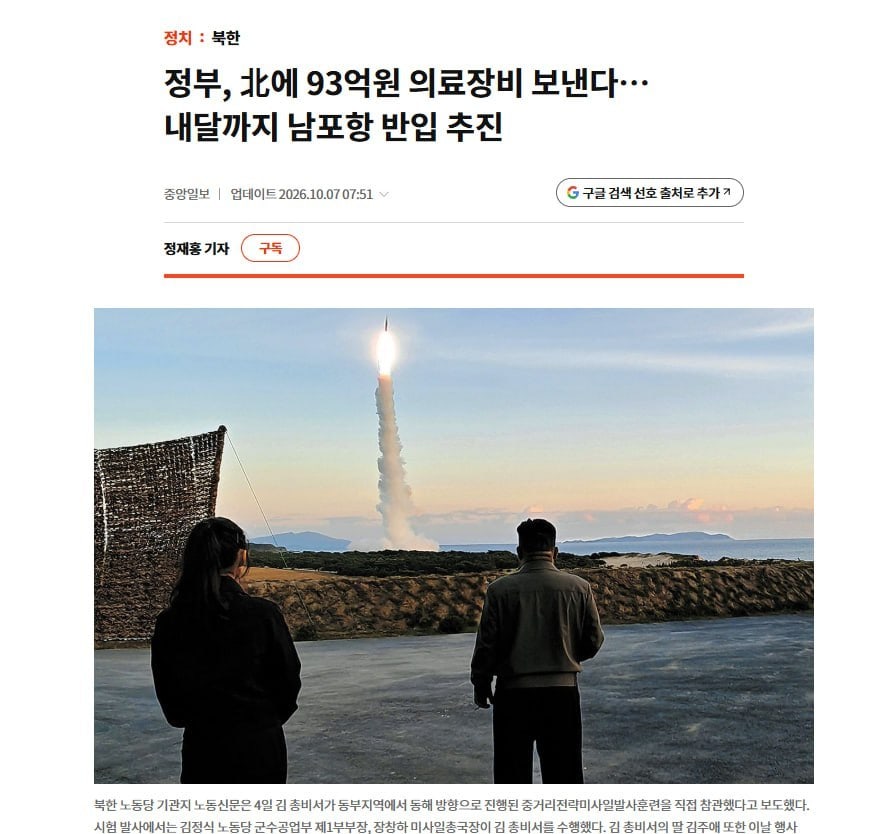
Kim Yo-jong, sister of North Korean leader Kim Jong Un, criticised South Korea's initiative to transfer medical equipment worth approximately $7.15 million to hospitals in Pyongyang.
Pyeongyang rejects medical aid proposal
Kim Yo-jong called Seoul's offer a provocation and stated that North Korea refuses to accept such aid.
In her words, Pyongyang does not consider this initiative as a basis for improving relations between the two countries.
At the same time, North Korea rejected South Korea's accusations regarding the installation of mines in the demilitarised zone. The South Korean side links the injuries of three of its servicemen to an explosion on 21 September.
Pyeongyang refused to discuss this issue and did not acknowledge responsibility for the incident.
Kim Yo-jong makes six statements in ten days
From 30 September to 9 October, Kim Yo-jong issued six public statements in which she criticised Seoul's policy.
The North Korean authorities continue to use wording according to which South Korea is viewed not as a partner for dialogue, but as a separate state with which North Korea is in hostile relations.
This approach aligns with Pyongyang's course to consolidate the concept of "two hostile states".
North Korea changes approach to relations with South Korea
Previously, official North Korean rhetoric envisaged maintaining the special status of relations between the North and the South and the possibility of future unification of the Korean Peninsula.
Recent statements from Pyongyang indicate a further distancing from this model. North Korea increasingly characterises South Korea as a separate hostile state and rejects Seoul's initiatives to restore dialogue.
Pyongyang's current policy involves maintaining the division of the two Koreas and rejecting a format of relations that previously envisaged the prospect of their unification.




Comments
No comments yet. Be the first!