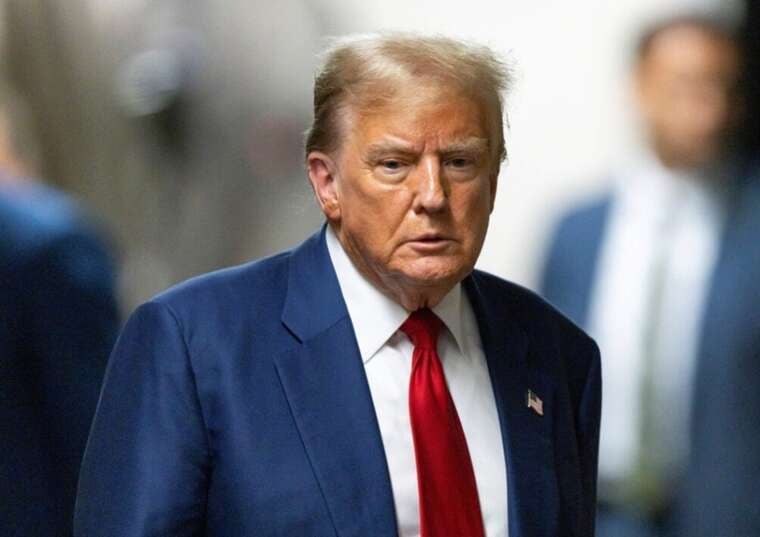
Trump reveals Putin's reaction to peace deal between Armenia and Azerbaijan
Donald Trump stated that Vladimir Putin acknowledged the failure of his decade-long attempts to resolve the Karabakh conflict, while Washington succeeded.
Donald Trump stated that Vladimir Putin acknowledged the failure of his decade-long attempts to resolve the Karabakh conflict, while Washington succeeded.
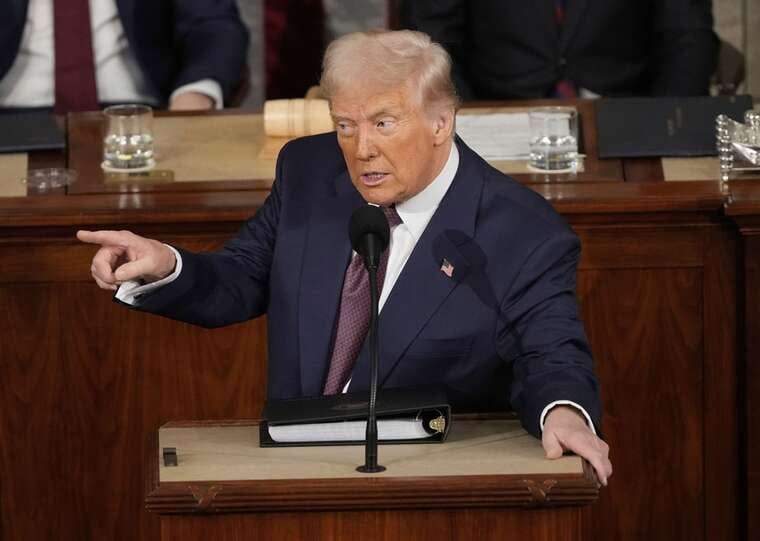
US President Donald Trump stated that the process of peacefully resolving the conflict in Ukraine and with Iran is progressing extremely dynamically, and also reminded of his previous diplomatic achievements.
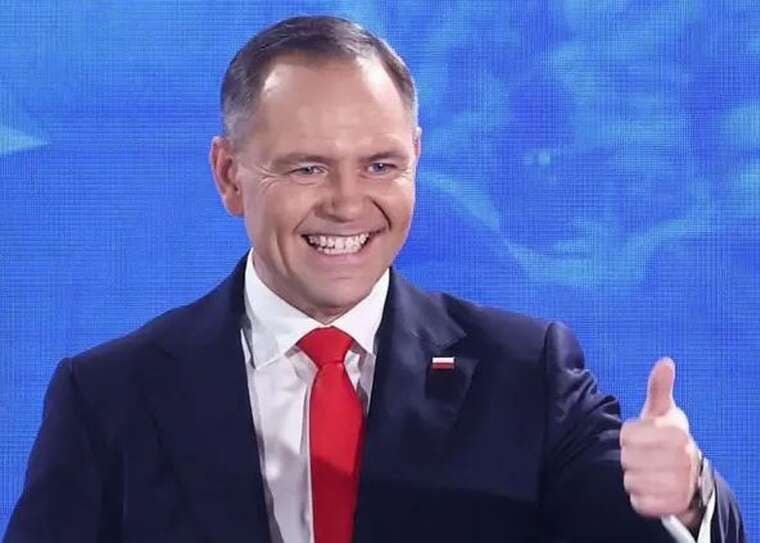
Russian media claimed that Karol Nawrocki is wanted in the Russian Federation, linking his tenure as head of the Institute of National Remembrance to the dismantling of monuments.
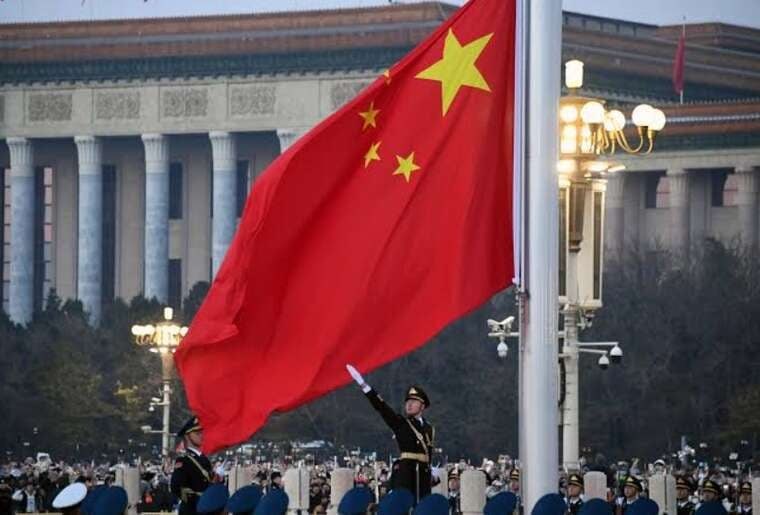
Deputy Permanent Representative of China to the UN Sun Lei stated that the conflict cannot be resolved by military means and called on the parties to engage in dialogue to reach a comprehensive peace agreement.
Institute for the Study of War analysts note that Washington granted Russia an economic advantage by allowing fuel exports, receiving zero concessions from the Kremlin in return regarding the cessation of hostilities.
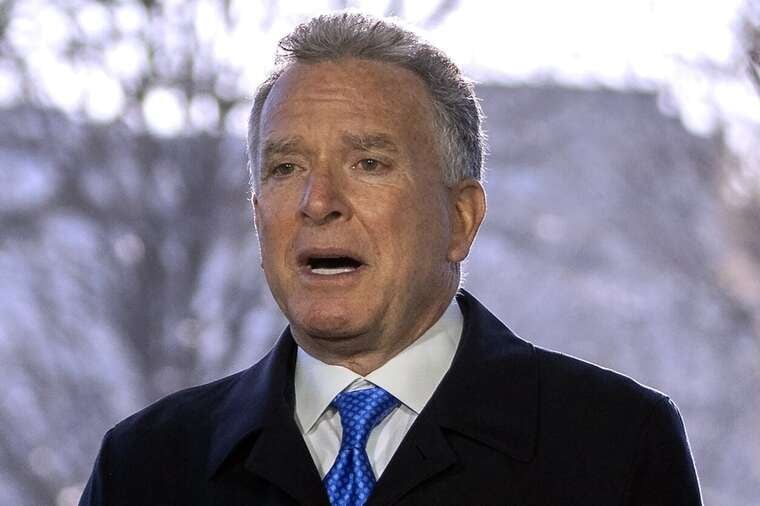
US representative Steve Witkoff detailed the Miami meeting where Ukrainian and European delegations discussed options for ending the war before winter.
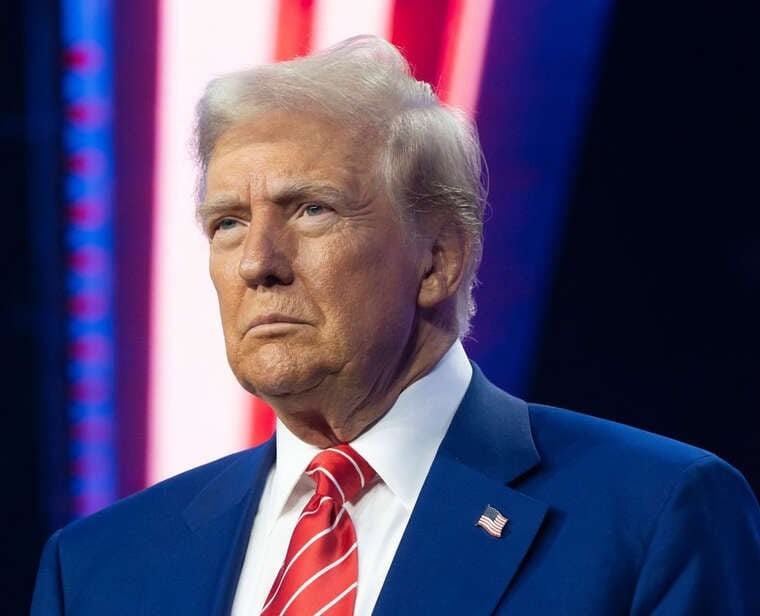
The US leader called the energy agreement with Moscow important and thanked Putin, but did not reveal his position on the Ukrainian president's remarks.
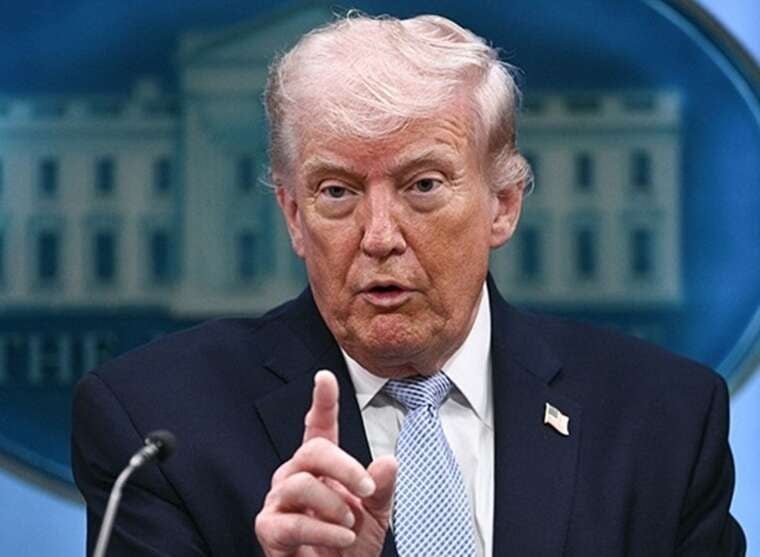
According to Axios, the US has repeatedly asked Ukraine to stop strikes on Russian oil refineries, citing rising fuel prices in the US.
The Institute for the Study of War (ISW) published an analysis stating that the US has allowed the supply of Russian diesel fuel to global markets. However, according to the experts, Moscow has not offered Washington any reciprocal steps or concessions in the context of negotiations for peace in Ukraine.
On 9 October, US President Donald Trump announced an agreement with Russian dictator Vladimir Putin. The American side cites increasing fuel volumes in the US and other countries' markets as the main objective of the decision.
By presidential order, the US Department of the Treasury issued a temporary general licence that legalises the export of Russian diesel.
Trump emphasised that Russia must immediately supply over 300,000 tonnes of fuel to the markets. A further 500,000 tonnes are expected in November 2026, after which volumes are to increase by another one million tonnes.
In addition, Russian oil refineries are capable of supplying an additional three million tonnes in the short term. Exact figures will depend on the technical condition of the facilities and their potential for expanding production.
In 2025, Russia accounted for only 9.5% of global diesel fuel exports. On 8 July 2026, Moscow temporarily imposed a ban on its export.
This decision was made against the backdrop of intensified Ukrainian strikes on oil refining infrastructure and logistics chains. Ukraine deliberately targeted fuel supply routes to occupied territories and Russian military units at the front.
ISW analysts warn that the export permission could significantly increase Moscow's revenues and provide it with additional resources to continue the war against Ukraine.
Experts believe that this may also complicate US efforts aimed at ending hostilities. Profits from the sale of petroleum products will allow the Kremlin to continue financing military needs.
The report emphasises that Washington's decision is a unilateral concession. Easing restrictions may bring Russia an economic benefit without securing any concessions from Moscow regarding the end of the war.
Comments
No comments yet. Be the first!