Terms of the secret deal
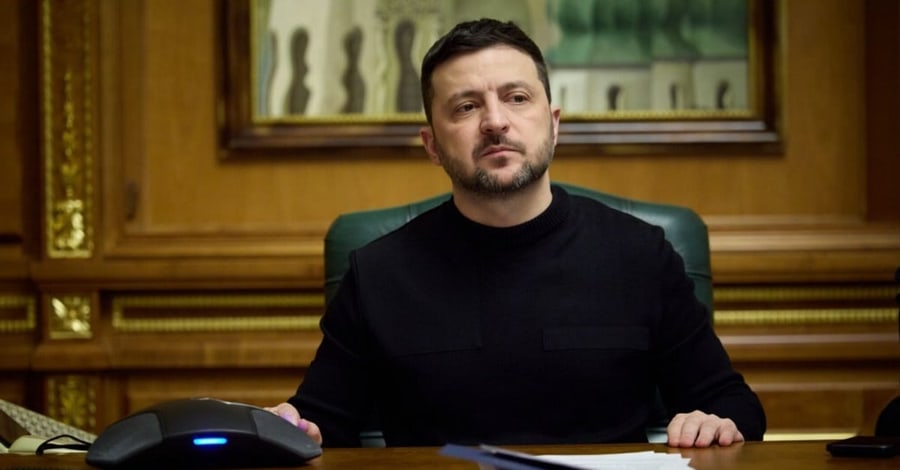
In early 2023, Ukrainian President Volodymyr Zelensky and then-head of the Presidential Office Andriy Yermak rejected an unofficial peace initiative that envisaged significant territorial concessions to Russia. According to materials published by the Financial Times on 24 October, the draft document required Kyiv to recognise Russian control over Crimea and ensure Moscow an unimpeded land corridor to the peninsula.
The document also envisaged the withdrawal of Russian troops from most Ukrainian territories occupied after 24 February 2022. Meanwhile, Russia was to retain de facto control over Crimea and part of the Donbas, which had been under its authority prior to the start of the full-scale invasion. In exchange for these concessions, Ukraine was offered security guarantees involving NATO states, which were to ensure compliance with agreements on a ceasefire. Separate negotiations between Russia and the US on mutual security guarantees were also planned.
Key figures in the mediation
According to journalists, this unofficial initiative emerged in autumn 2022 against the backdrop of fears regarding the possible use of tactical nuclear weapons by Russia. American lawyer Richard Conn and investment banker Robert Forstman attempted to organise an informal communication channel between Washington and Moscow.
Mattias Warnig was involved in the negotiations — a former employee of the East German secret service "Stasi", a long-time acquaintance of Russian President Vladimir Putin, and former head of the Nord Stream 2 company. Thanks to personal contacts, Warnig had the opportunity to deliver messages directly to Putin. Later, Ukrainian producer Oleksandr Rodnyansky joined the initiative, who had contacts with the Ukrainian political leadership.
Negotiations in the Canaries and the Kremlin's position
In January 2023, participants in the unofficial negotiations met in the Canary Islands, where they prepared a draft for a peaceful settlement. According to Warnig, during the mediators' meeting on 1 February 2023, he reported that Putin had carefully studied the proposed document, made notes, and expressed readiness to discuss the defined line of demarcation.
Meanwhile, the Russian president, according to Warnig, categorically opposed Ukraine's accession to NATO but allowed for its membership in the European Union. In addition, he allegedly agreed to consider alternative mechanisms for security guarantees. However, there is no independent confirmation that the Kremlin was truly ready to fulfil the proposed terms.
Why Ukraine refused
After discussions with the Russian side, Oleksandr Rodnyansky presented the proposal to Volodymyr Zelensky and Andriy Yermak. According to the producer, the Ukrainian leadership refused to agree to territorial concessions. Zelensky and Yermak, Rodnyansky claims, calculated that Ukraine could achieve more favourable terms thanks to the successes of the Armed Forces on the battlefield.
Specifically, the Ukrainian side did not want to recognise Russian control over Crimea or agree to concessions regarding the internationally recognised borders of the state. Rodnyansky believed that the United States should have more actively persuaded the Ukrainian leadership to consider the proposed compromise, but this position found no support in Kyiv.
Failure of the initiative
Meanwhile, American mediators hoped to reach agreements on a ceasefire by the first anniversary of the full-scale Russian invasion — 24 February 2023. However, the plan could not be realised. According to Warnig, the Russian president instructed his aide Yuri Ushakov to find out whether the American mediators were indeed acting in coordination with the White House. Later, Warnig stated that the American side allegedly did not confirm the necessity of such an unofficial negotiation channel.
Meanwhile, former American officials, whom Financial Times journalists spoke to, questioned certain claims by the participants of the initiative. Specifically, they did not confirm that the relevant issue was discussed with Washington exactly as Warnig described it. As a result, the negotiation initiative ceased in February 2023, never becoming an official peace process.
Financial Times notes that the circumstances of the failure of the unofficial negotiations remain subject to conflicting assessments, and it is difficult to establish the Kremlin's real readiness for the proposed compromise. The Office of the President of Ukraine and Andriy Yermak did not provide the publication with comments on the described events.

Comments
No comments yet. Be the first!