Deputy initiates increased pressure on those ignoring military registration rules
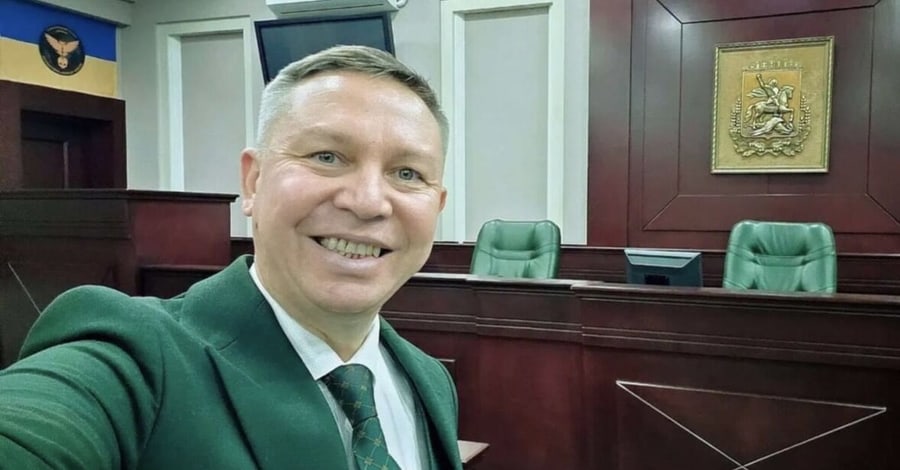
In Ukraine, the possibility of introducing additional restrictions on military-age citizens who systematically evade mobilisation or fail to comply with military registration requirements for a prolonged period is being discussed again. The initiator of such measures is People's Deputy and member of the Verkhovna Rada Committee on National Security, Defence and Intelligence, Oleksandr Fediienko.
The parliamentarian submitted a proposal to the government to consider mechanisms that would complicate access for such individuals to certain state and financial services. He stated this in an interview with "Telegraph", and his views were also highlighted by the publication "Espreso".
Which areas of activity may be subject to restrictions
According to Fediienko, the state should more actively influence citizens who have avoided fulfilling their military duty for years while continuing to work, run businesses, and use various services.
Among the areas the deputy considers potentially subject to restriction, he named:
- access to certain administrative services at public service centres (TsNAP);
- use of certain financial products and banking operations;
- execution of property purchase and sale transactions, particularly real estate;
- restriction of the right to drive a car.
It is worth noting that a final list of prohibitions does not yet exist, and specific procedures for their application require proper legislative regulation.
Justification of proposals: seeking resources among draft dodgers
Oleksandr Fediienko is convinced that the government should first seek mobilisation resources among those who avoid military registration, rather than reducing the exemption of employees of critically important enterprises.
In the deputy's opinion, the current approach creates an imbalance: one part of the citizens fulfils their military duty or is on the register, while another may remain outside the system for years. The parliamentarian emphasised that certain individuals continue to engage in business activities, work, and use everyday services despite evading mobilisation.
Therefore, the deputy proposes considering additional administrative mechanisms of influence. Fediienko also stated that the government needs to determine the actual number of people evading mobilisation and propose specific solutions for their return to the military registration system.





Comments
No comments yet. Be the first!