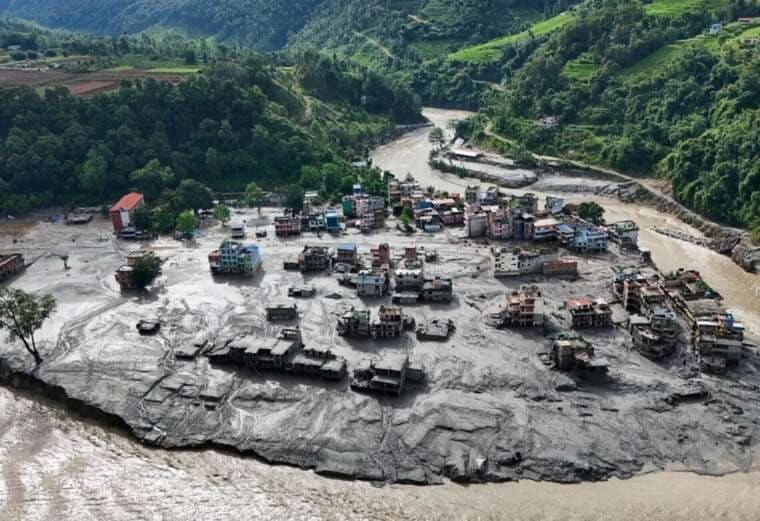
Nepal hit by fresh disaster: washed-away structures and missing people
New downpours in Nepal have caused infrastructure damage and missing persons. This repeats the August tragedy, when thousands died or went missing, including Ukrainians.
New downpours in Nepal have caused infrastructure damage and missing persons. This repeats the August tragedy, when thousands died or went missing, including Ukrainians.
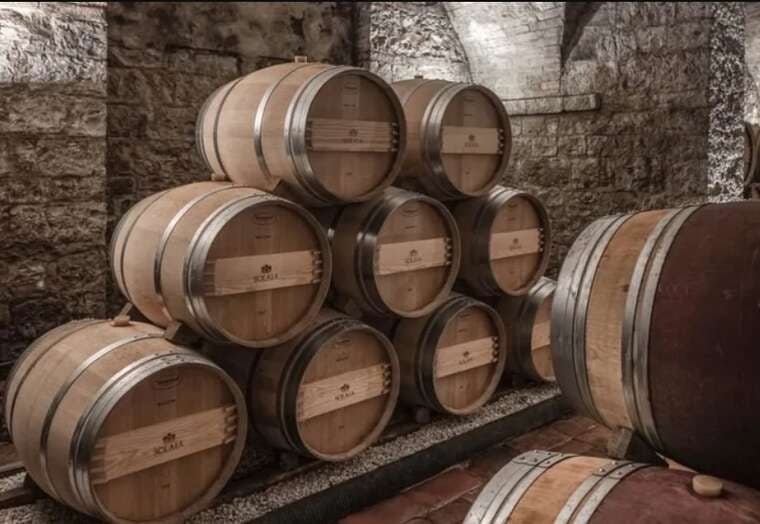
Seven masked men removed valuable Tuscan wines using two lorries. Police are investigating one of the largest wine thefts in recent times.
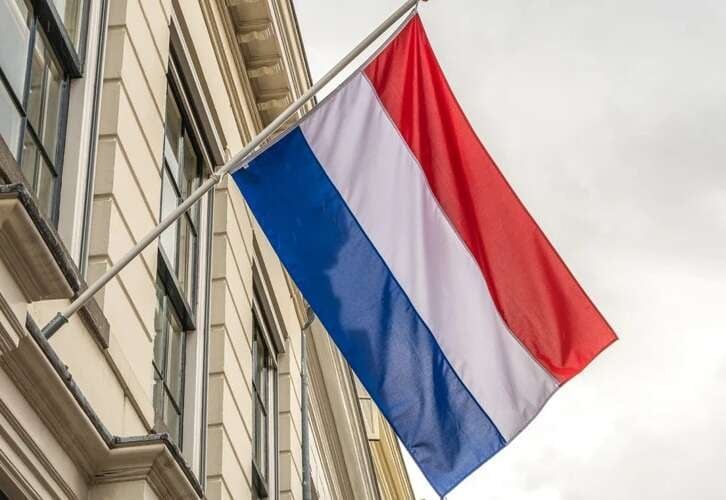
Dutch Defence Minister Dilan Yeşilgöz-Zegerius confirmed the change in Russia's status from aggressor to enemy, warning that Moscow is preparing for a possible conflict with the alliance.
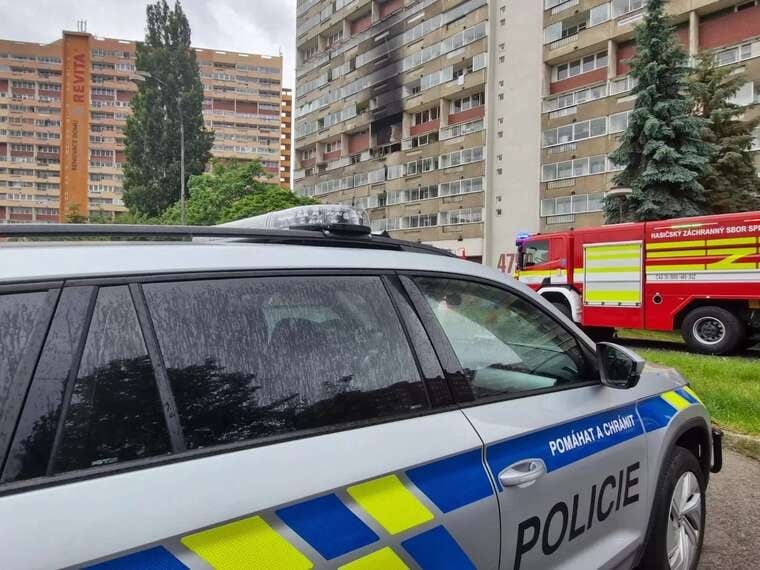
A knife attack on public transport passengers occurred in the Bielany district in the early hours of 11 October. Two men were hospitalised, and the perpetrator is being sought.
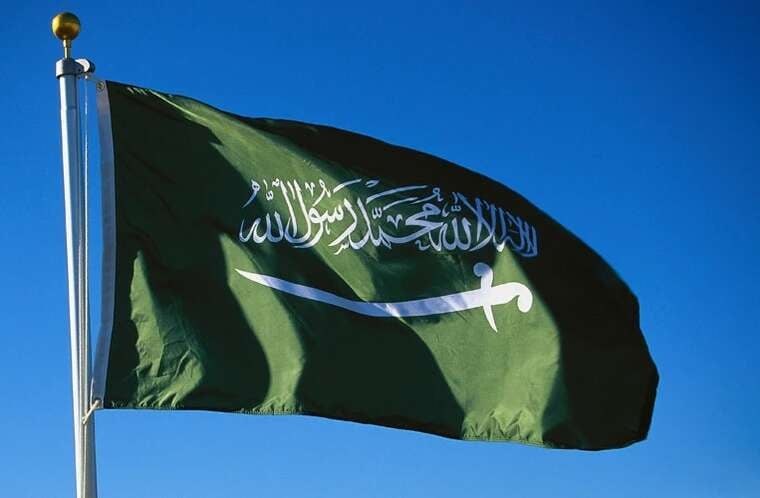
Yemeni armed groups called on airlines and passengers to avoid Saudi airports, excluding Mecca and Medina, designating them as targets for strikes.
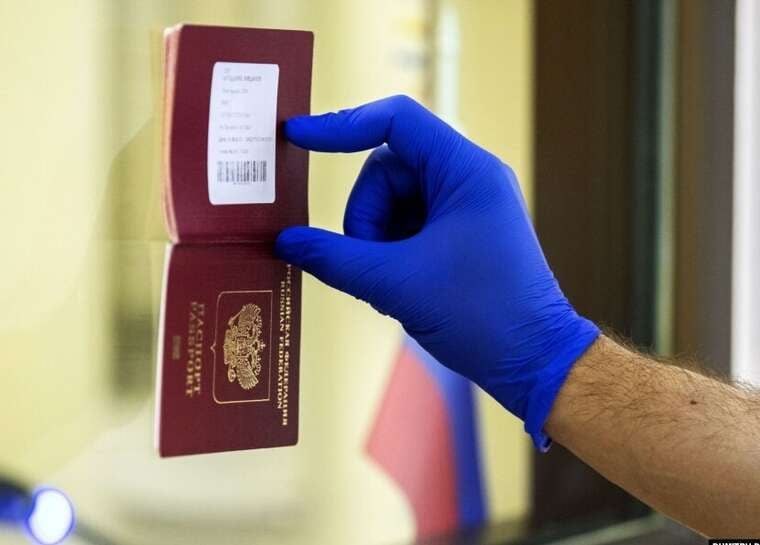
The European Commission is developing new restrictions for Russian citizens to counter the threat of sabotage. Particular attention will be paid to former military personnel.
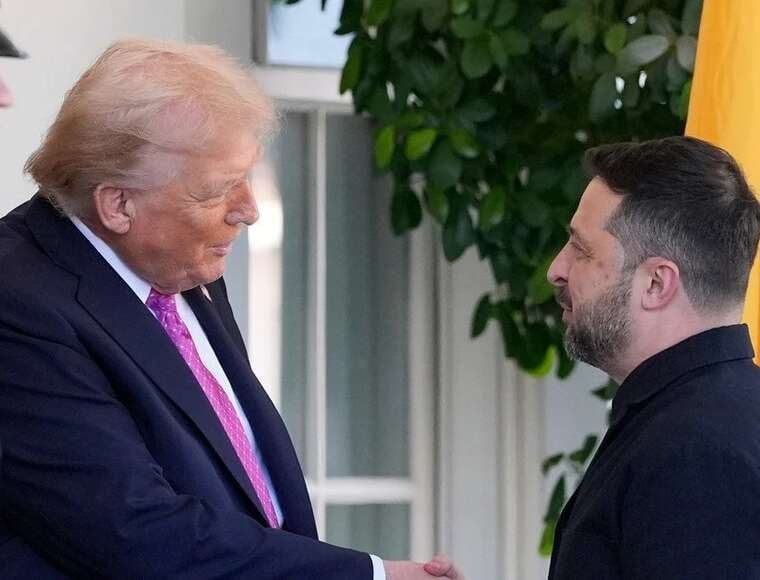
According to The Wall Street Journal, tensions between Donald Trump and Volodymyr Zelensky peaked after a conflict in the White House, threatening Europe's efforts to support Kyiv.
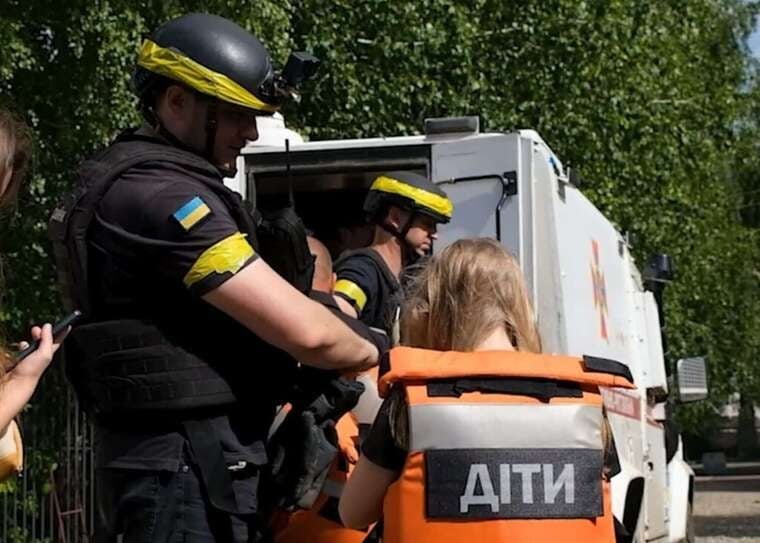
Due to the deteriorating security situation, the Donetsk Regional Military Administration has mandated the evacuation of children from new city districts. The process will be accompanied by parents and state services.
The European Commission is developing a package of measures to worsen the conditions for obtaining visas for Russian citizens. According to Politico, the initiative is driven by the growing risk of hybrid threats, particularly diversionary acts and sabotage on the territory of the European Union. Official proposals are expected to be presented in early next year.
The decision on the need to change the approach was made following successive calls from several member states, including Poland, Sweden, and Estonia. These countries insisted on the implementation of stricter entry rules for representatives of the Russian Federation.
Swedish Justice Minister Gunnar Strömmer noted that the current visa infrastructure has vulnerabilities that could be exploited by forces hostile to Europe. He emphasised that against the backdrop of a wave of concern regarding sabotage, arson, and other hybrid operations linked to Moscow, strengthening control has become a priority task.
According to Strömmer, the European Commission plans to publish details of the new regulation as early as January. Meanwhile, the Swedish side expresses a desire for this to happen sooner. The minister also noted positive dynamics in the discussions and growing support for a stricter visa regime among partners in the bloc.
The category of former Russian military personnel who participated in hostilities against Ukraine requires particular attention within the framework of the new strategy. Estonia is proposing to ban entry to the EU for such individuals. Estonian Foreign Minister Margus Tsahkna estimates the number of former combatants at approximately 650,000 people.
Tsahkna emphasised that although restrictions can be applied to specific individuals, a coordinated approach at the level of the entire European Union is necessary to ensure real security. He expressed concern that some former military personnel may enter Europe with the support of Russian special services and pose a security threat. The minister also pointed to the risk of such individuals being involved in organised crime and terrorist acts.
Last year, Russian citizens received approximately 478,000 Schengen area tourist visas. A significant portion of these documents was multiple-entry, allowing their holders to cross the borders of Schengen area countries multiple times.
Several EU member states intend to raise the issue of visa restrictions during a meeting of the EU Council on Foreign Affairs. During these discussions, the possibility of introducing additional restrictions for Russian diplomats is also planned to be discussed.
Comments
No comments yet. Be the first!