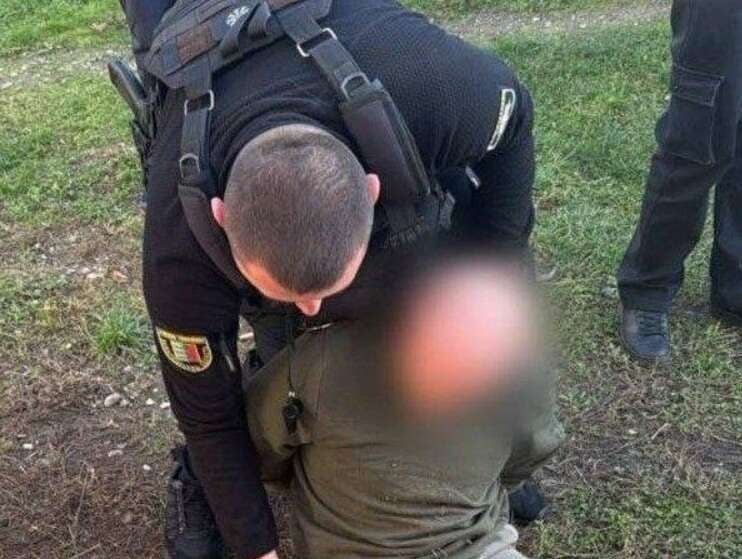
Former UOC-MP priest kills two people in Vyshkovo, Zakarpattia
In the settlement of Vyshkovo in Khust district, a 45-year-old former clergyman opened fire on residents. Two men were killed, and three others were hospitalised.
In the settlement of Vyshkovo in Khust district, a 45-year-old former clergyman opened fire on residents. Two men were killed, and three others were hospitalised.
Due to the high threat of enemy ballistic weapons, the red danger level has been introduced in most regions. Fast-moving targets have been detected heading towards the capital.
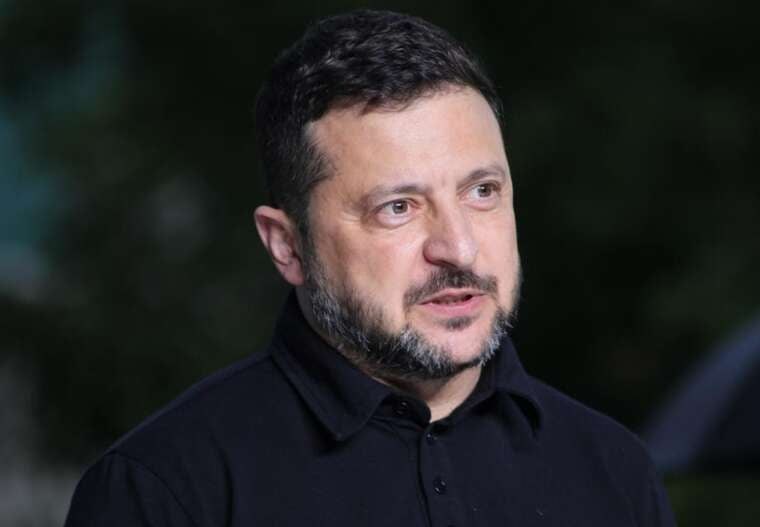
According to the publication, Washington's actions towards Russia forced the Ukrainian authorities to reconsider their strategy, as economic pressure will not lead to a quick defeat of the aggressor.

Former first vice-president of the UAF signed contracts to purchase plots in Knyazychi for a sum significantly lower than the request to FIFA.
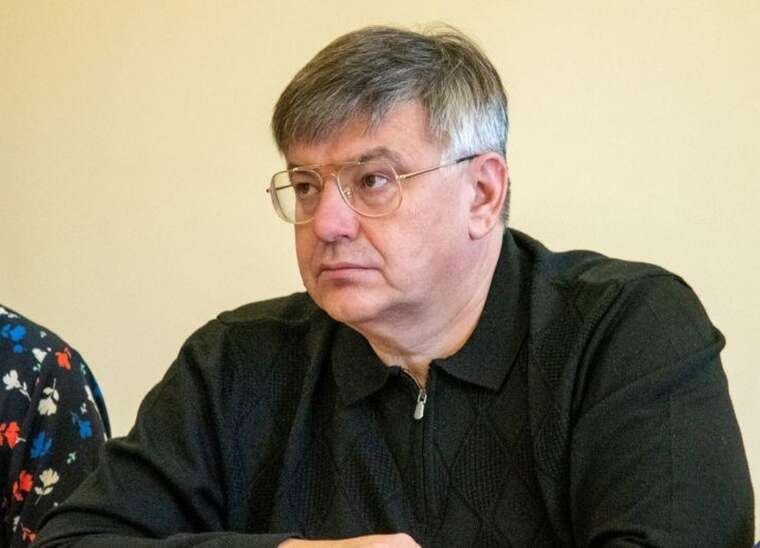
Volyn Oblast Council deputy Roman Mykytiuk replaced Ihor Leh as head of the 'For the Future' party faction.
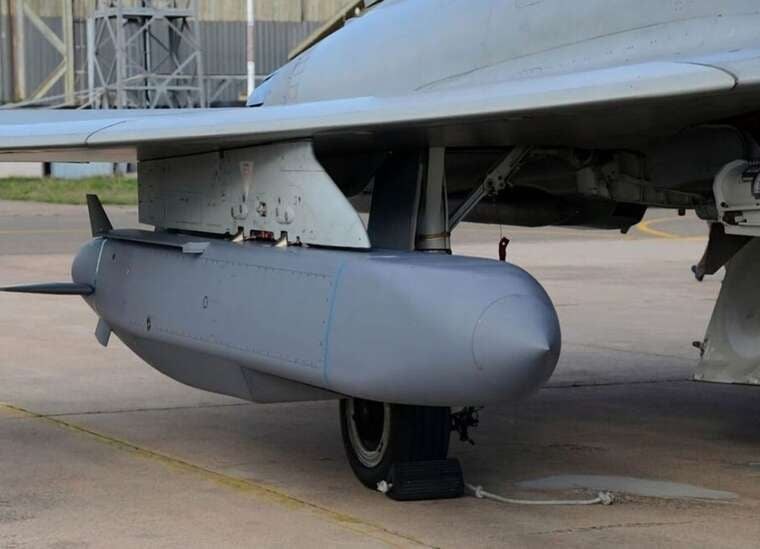
The United Kingdom is preparing to provide Ukraine with an additional batch of cruise missiles. The supply was discussed during the president's visit to London.
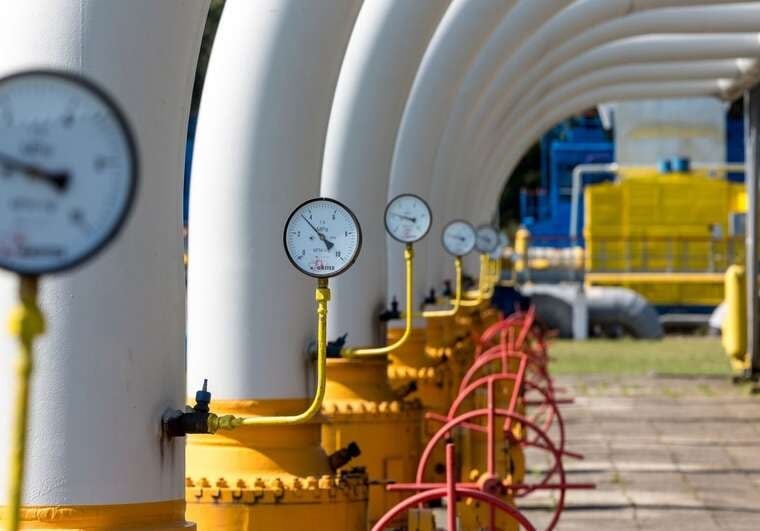
Four companies of the DTEK holding sold approximately 12.75 million cubic metres of natural gas at the first export auctions following the ban. Deliveries are scheduled to take place via the Polish border by the end of the year.
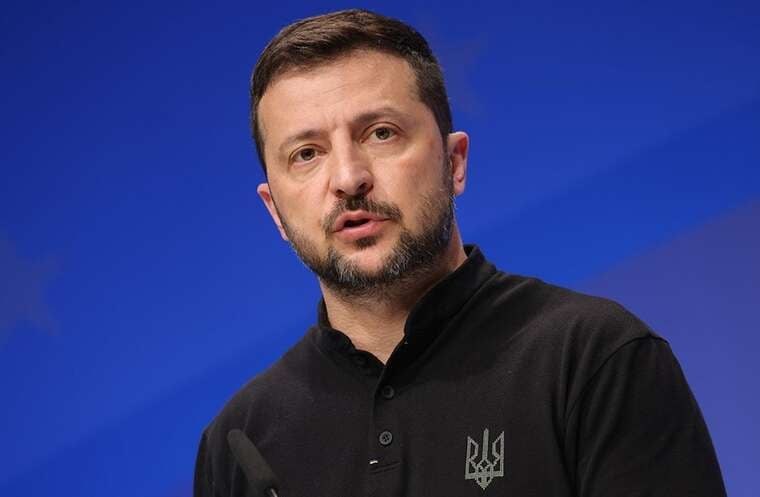
President signed Decree No. 1038/2026, which approves a long-term action plan in the field of human rights. The document is aligned with Eurointegration commitments and martial law conditions.
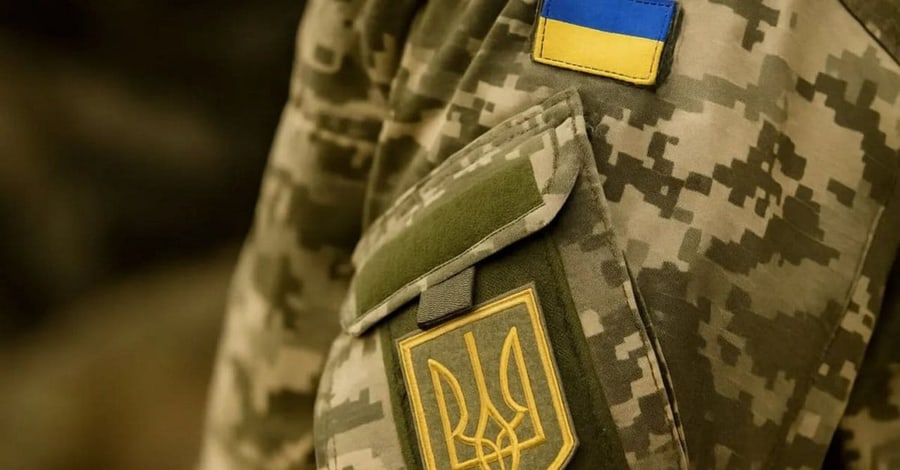
Power outages create additional difficulties for those liable for military service when interacting with representatives of state authorities. A dead phone, lack of mobile connectivity, or a malfunctioning "Reserve+" app may hinder the prompt presentation of documents. However, legislation clearly stipulates that technical issues do not halt the verification procedure, although they establish strict rules of conduct for employees of Territorial Centres for Recruitment and Social Support (TCC).
The procedure for verifying military registration documents is regulated by Article 22 of the Law of Ukraine "On Mobilisation Preparation and Mobilisation" and Cabinet of Ministers Resolution No. 560. These regulatory acts apply regardless of whether there is electricity in the grid. The absence of power supply is not included in the list of circumstances that make it impossible to carry out such measures.
In accordance with points 49–51 of Resolution No. 560, during the period of mobilisation, checks may be conducted at the place of residence, study, or work of citizens, as well as in public places, on streets, and at checkpoints. At the same time, TCC representatives are obliged to comply with the established procedure. Point 54 of Resolution No. 560 provides that an authorised person must identify themselves, state their surname, first name, and patronymic, and position, as well as present their official ID and a document confirming their identity.
Certain limitations apply to situations where a check coincides with an air raid alert signal. Legislation does not grant military personnel of TCC and Social Support notification groups the right to stop, hold, or detain people in public places while the alert signal is active. They are also prohibited from preventing citizens from reaching a shelter.
The Ministry of Defence previously outlined this position in its response to an appeal from the Temporary Investigative Committee of the Verkhovna Rada. Therefore, if a person is on the street during an alert, TCC representatives have no right to detain them there or prevent them from passing to a protective structure.
Internet problems or a malfunctioning smartphone do not exempt one from the obligation to show a military registration document upon a lawful request. At the same time, it is not mandatory to use a phone at the moment of the check.
Cabinet of Ministers Resolution No. 559 allows for the issuance of a military registration document in electronic format with the possibility of subsequent printing. Therefore, it is advisable to form such a document in advance via "Reserve+" or the "Diia" portal and print it out. A paper copy with a QR code will allow you to present the necessary information even when the smartphone is turned off.
It is important to distinguish an officially formed document from a regular screenshot. A screenshot may not always replace a proper military registration document. If the QR code cannot be verified due to the absence of a network, the process of cross-checking information may be complicated, but this does not mean an automatic ban on the check.
Legislation provides for mandatory photo and video recording of the procedure for presenting and verifying documents. The relevant requirements are contained in part six of Article 22 of the Law "On Mobilisation Preparation and Mobilisation" and point 52 of Resolution No. 560. An exception is established only for citizens who are under military registration with the Security Service of Ukraine or intelligence agencies.
The power outage itself is not defined by law as a reason to refuse video recording. A blackout does not necessarily make recording impossible, as it all depends on technical equipment and the functionality of devices. Authorised persons can use special software to obtain information from the Unified State Register of Conscripts, Those Liable for Military Service, and Reservists. However, in the absence of an internet connection, access to the register may be limited.
A phone with a dead battery in itself is not a legal ground for the administrative detention of a person or their delivery to a TCC. During mobilisation, men aged 18 to 60 are obliged to have a military registration document with them and show it upon the request of authorised persons. If it is impossible to present the document, the further development of the situation depends on specific circumstances.
The lack of access to "Reserve+" does not mean that a citizen can be automatically detained or delivered to a TCC. The application of such measures requires grounds defined by law. The procedure for delivery and administrative detention is regulated by Articles 259, 261, and 262 of the Code of Ukraine on Administrative Offences. In addition, point 56 of Procedure No. 1487 establishes the rules of action for police officers upon an appeal from a TCC.
It is worth distinguishing between a routine document check, the detection of a possible administrative offence, and the application of coercive measures. Each of these procedures requires separate legal justification.
To avoid difficulties during a blackout, those liable for military service are recommended to ensure in advance that their registration data is up to date. It is advisable to have a printed military registration document with a QR code and to monitor the smartphone's battery charge.
If a check takes place during a power outage, a citizen may clarify the authority of TCC representatives and present the available document. In the event of a disputed situation, it is advisable to record its circumstances if possible. Thus, a power cut does not exempt one from the need to have and present documents, but technical failures do not grant an automatic right to administrative detention without proper legal grounds.
Comments
No comments yet. Be the first!