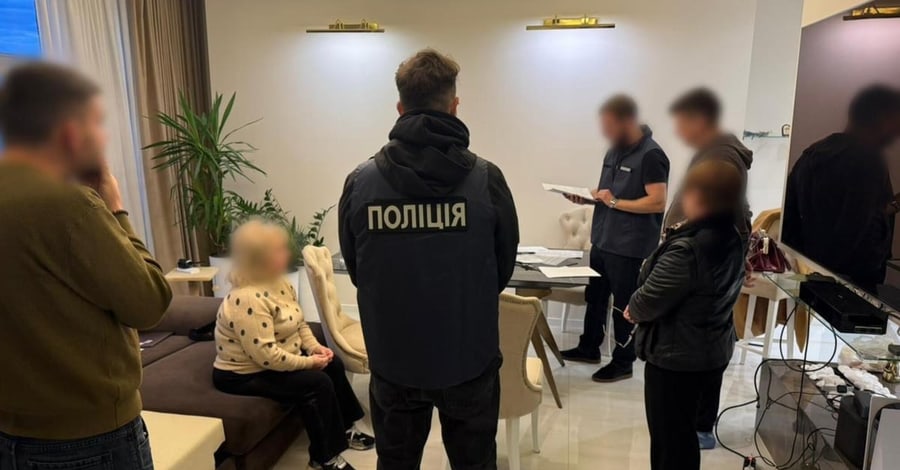
Administrator of child abuse material network detained in Romania
Jointly with the UK's NCA, investigators uncovered a scheme to launder nearly UAH 36 million from distributing prohibited content.
Jointly with the UK's NCA, investigators uncovered a scheme to launder nearly UAH 36 million from distributing prohibited content.
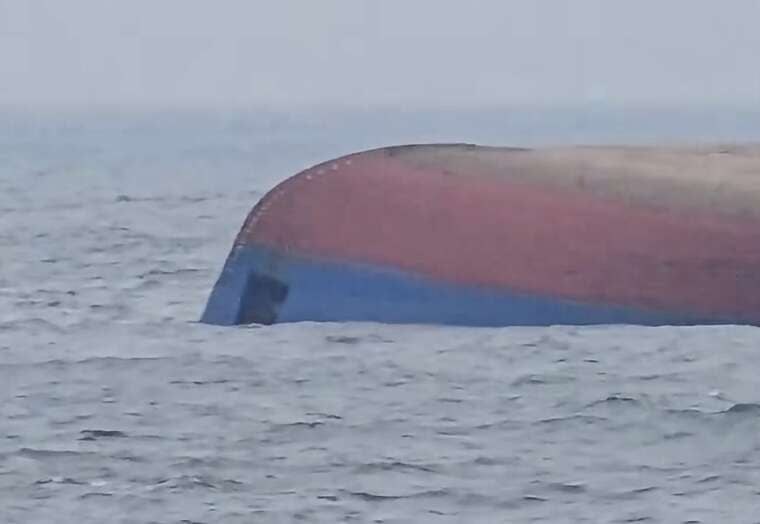
A commercial vessel flying the flag of the Comoros sank 13 nautical miles off Constanta. Rescuers saved nine crew members, one person died.
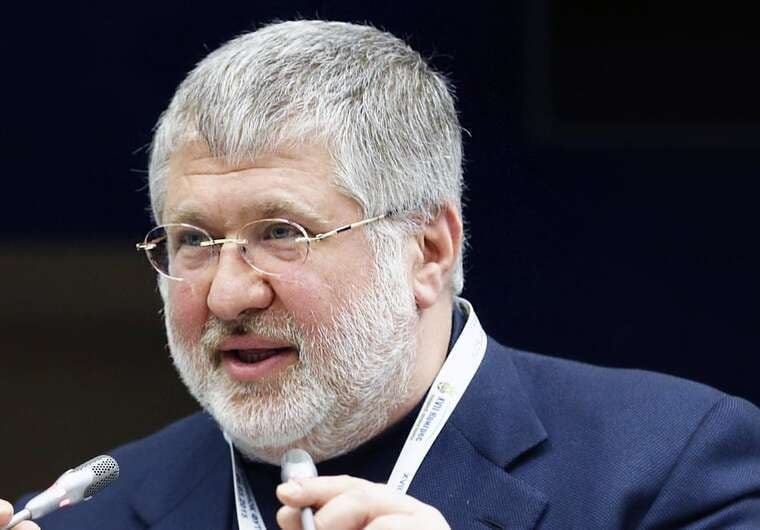
During a court hearing, Igor Kolomoisky refused to comment on his attitude towards the 2019 presidential campaign, stating that this topic is not discussed.
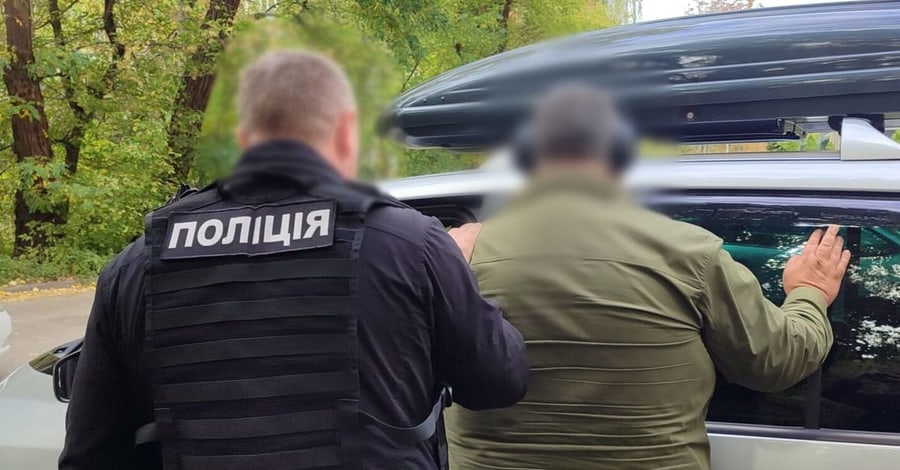
Law enforcement uncovered a scheme in which suspects offered a Kyiv resident illegal removal from military registration using a fake housing lease agreement.
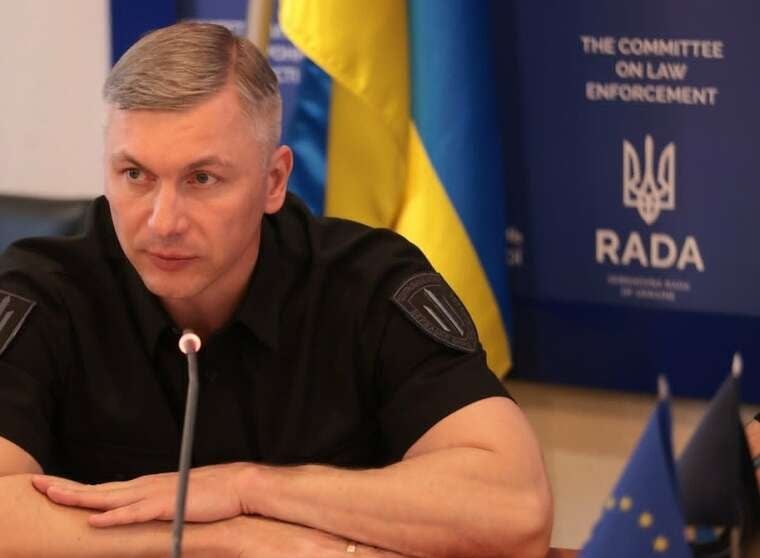
The bill on the Bureau reform is still absent from parliament, although only eight days remain until the deadline for forming the committee.

Rapper alyona alyona published a photo with an IV drip without revealing details of her condition. Colleagues in the show business and fans expressed support for the artist.
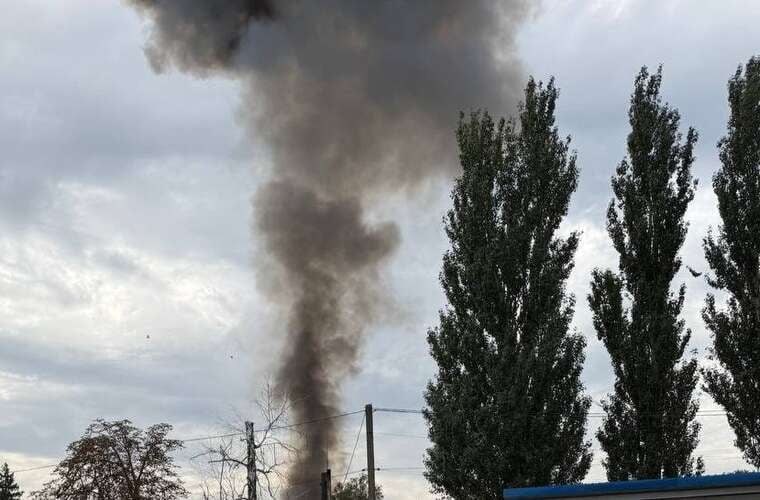
Head of the Chernihiv City Military Administration Dmytro Bryzhynskyi reported a hostile UAV hit on a facility in the northern part of the city and the possible presence of people under the debris.
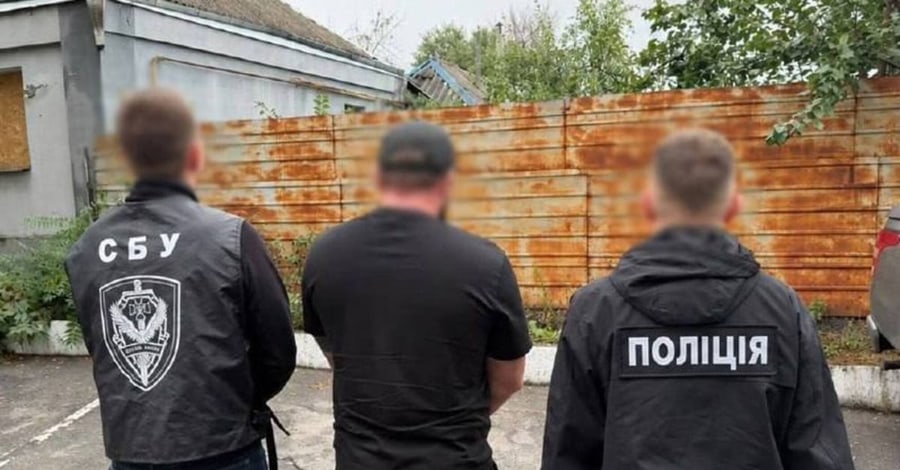
42-year-old head of private company accused of receiving prepayment for housing that was never built. Man also suspected of possible theft of over 2 million in charitable funds.
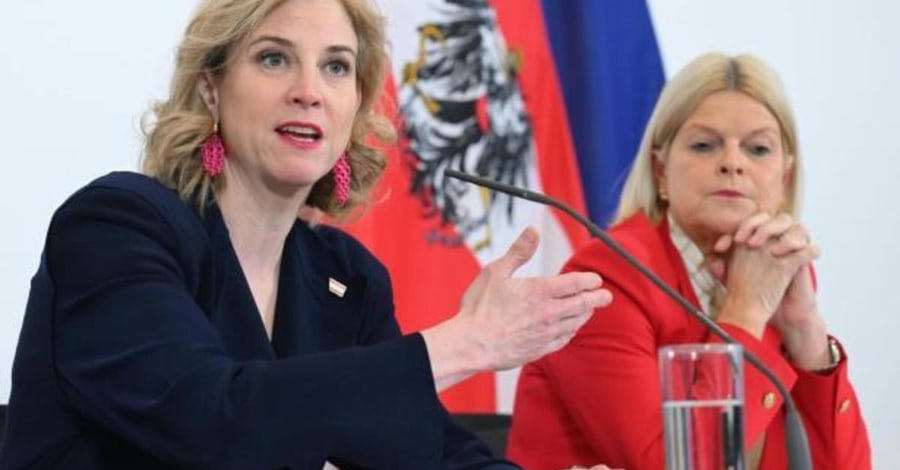
Austrian Foreign Minister Beate Meinl-Reisinger signed an order for the expulsion of four Russian diplomats. They are suspected of carrying out intelligence functions. A deadline has been set: representatives of the Russian mission must leave the country by 23 October.
Three of these individuals had previously been included in an internal list of probable agents of Russian security services. The fourth figure held accreditation with the Organisation for Security and Co-operation in Europe (OSCE). The Austrian publication Profil reported on the details of this decision, having obtained information about the expulsion of the diplomats.
According to a source, all four diplomats had been under surveillance by Austrian law enforcement agencies and security services for a long time. The situation escalated after the Russian opposition outlet "Proekt" published leaked data on possible agents. Meanwhile, Austrian security services had already drawn attention to these individuals earlier.
In mid-August, the Austrian Ministry of Defence, headed by representatives of the Austrian People's Party (ÖVP), sent an electronic warning to members of the armed forces and reserve servicemen. The document noted the risk of contact with agents of Russian security services. A list of 21 individuals, including names and photographs, was attached to the letter. Military personnel were urged to immediately report any attempts to establish contact with these people.
Following the distribution of the warning, the defence ministry received numerous inquiries. Security services began verifying the information received. As revealed by Profil materials, part of the information was confirmed, which became the basis for the decision to expel three individuals from the list. Another Russian, who held diplomatic status with the OSCE, was also included in the list for expulsion.
The expulsion process was delayed due to discrepancies between the Ministry of Defence and the Ministry of Foreign Affairs. Beate Meinl-Reisinger, who represents the NEOS party, initially considered the available data insufficient for taking such a step. The foreign affairs ministry explained that they learned about the list of 21 probable agents from the media and demanded more specific evidence to confirm the suspicions.
Meanwhile, the Ministry of Defence was awaiting a personal meeting to discuss the security services' materials. Representatives of the defence ministry emphasised that secret intelligence information is not transferred between ministries through ordinary document circulation. Due to the lack of a coordinated position between the ministries, Russian diplomats remained in Austria for a certain period. According to Profil, the relevant documents regarding the expulsion are to be handed over to the Russian embassy on 23 October.
A separate issue for Austrian services is the technical equipment installed on the roof of the Russian embassy in the third district of Vienna. Residents of neighbouring buildings have complained over recent weeks about an unusual hum coming from the diplomatic premises. The Russian embassy explained this noise as a malfunction of the fans and apologised for the inconvenience in September.
However, representatives of neighbouring diplomatic missions suspected that the sounds could be related to the operation of intelligence equipment. Satellite antennas had previously been found on the roofs of the Russian embassy, which, according to experts, could be used to intercept international information traffic.
Vienna holds particular significance for international diplomacy, as it hosts representatives of the United Nations, the OSCE, the International Atomic Energy Agency (IAEA), and the Organisation of the Petroleum Exporting Countries (OPEC). Therefore, the possible use of equipment by Russian security services for data interception interests not only Austrian security agencies but also other states.
The current decision is a continuation of a series of measures against probable Russian intelligence activities in Vienna. In May 2026, Austria had already expelled three employees of the Russian embassy, who were suspected of servicing satellite equipment for espionage. At that time, the Austrian side demanded that Moscow strip these individuals of diplomatic immunity. After Russia's refusal, Austrian authorities secured their forced departure. Following these events, Beate Meinl-Reisinger announced an intensification of counter-espionage efforts and emphasised the inadmissibility of using diplomatic immunity for intelligence activities.
In parallel, the Austrian government is discussing legislative amendments to expand liability for espionage. Since March 2026, a bill has been under consideration that provides for criminal liability for intelligence activities directed against other states and international organisations. Currently, there are discrepancies between the governing parties regarding the law on military powers associated with this reform. Specifically, it is proposed to grant the intelligence services of the Austrian armed forces additional surveillance capabilities. Some of these provisions face resistance from the NEOS party.
Despite delays in legislative changes, Austrian authorities continue to apply diplomatic measures against Russians suspected of espionage. According to Profil, the Russian embassy in Vienna remains the largest in Europe. Therefore, even after the expulsion of four more diplomats, the question of the scale of Russian security services' activities in the Austrian capital remains relevant.
It was previously reported that in May 2026, former Austrian intelligence officer Egisto Ott was sentenced to four years and one month in prison for espionage on behalf of Russia. According to the prosecution, he passed on secret information and cooperated with former Wirecard top manager Jan Marsalek, who is hiding in Russia. At the time of publication, the verdict had not yet entered into legal force.
There was also mention of the detention in Germany of a Ukrainian national suspected of espionage on behalf of Russia. According to the investigation, the man was gathering information about a former Ukrainian military serviceman, which could be used to prepare intelligence or sabotage operations.
Comments
No comments yet. Be the first!