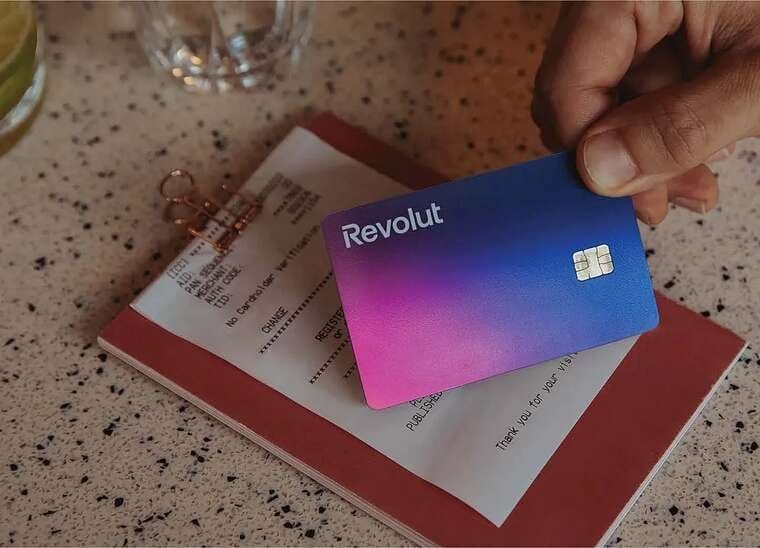
Criminals demand $768m to keep Revolut client data undisclosed
Personal and financial data of users, including the owner of Gamdom and Skins.com, may have been leaked following a cyberattack on the British fintech bank.
Personal and financial data of users, including the owner of Gamdom and Skins.com, may have been leaked following a cyberattack on the British fintech bank.
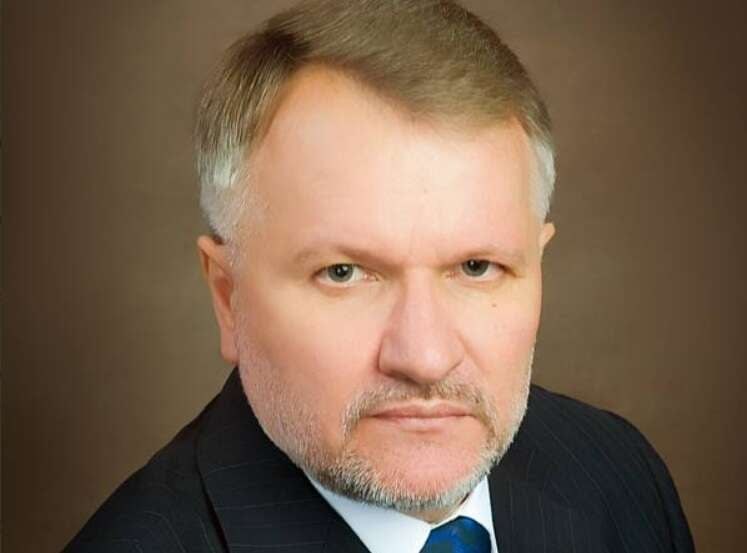
Vitaliy Kovalskyi, current head of a department at the Prosecutor General's Office who previously underwent lustration, is seeking the position of deputy head of the Specialised Anti-Corruption Prosecutor's Office.
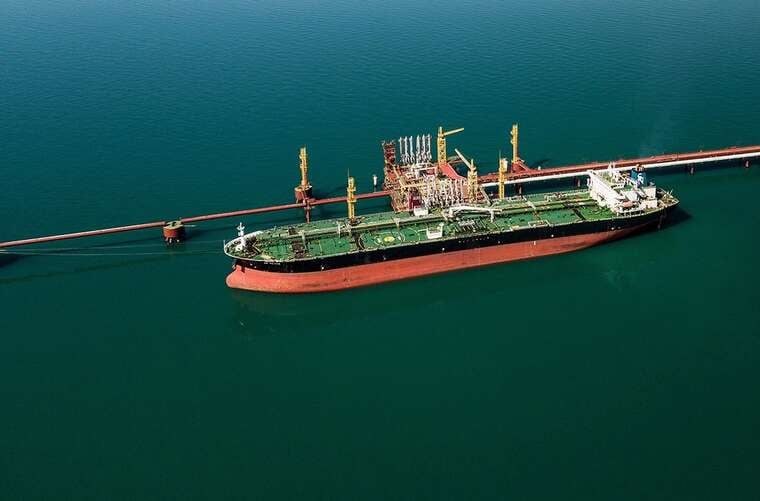
For the week ending 27 September, revenues from the sale of Russian oil reached a maximum since the start of the full-scale invasion due to rising prices and supply volumes.

Larysa Moskviska, who presents herself as a financial planning expert, publishes content for the scandal-hit KIT Group, whose activities were restricted by the National Bank of Ukraine.
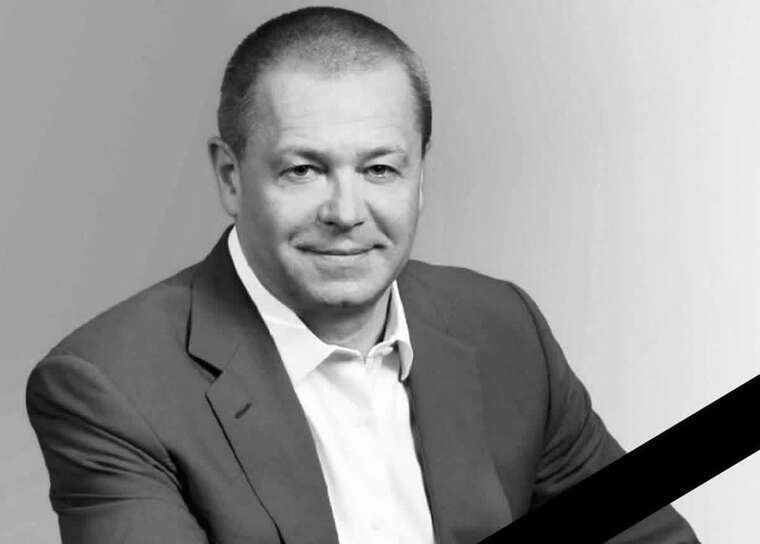
The politician died at the age of 61 in a road traffic accident. He served as the director of the "Klass" supermarket chain in Kharkiv.
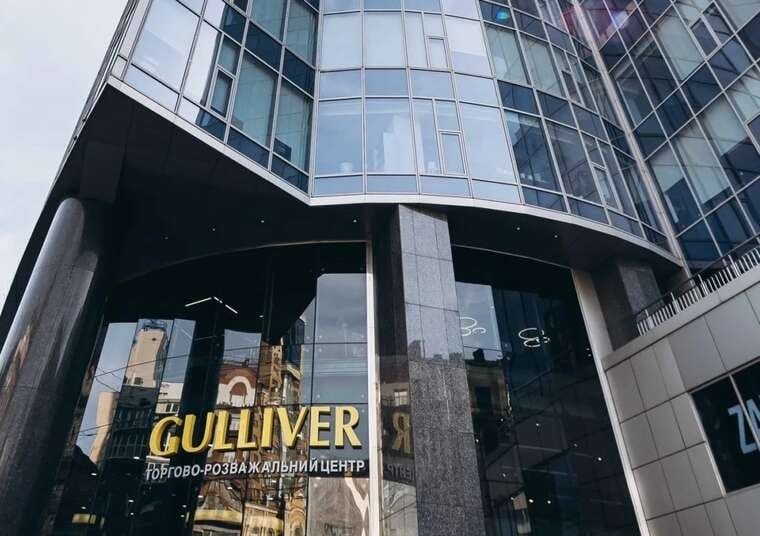
Oschadbank and Ukreximbank have announced a stock exchange auction for the disposal of a large office and retail complex in Kyiv, previously seized due to debts.

Law enforcement detained 17 individuals who sold vapes containing narcotics through "Bob Marley" venues and online stores, disguising them as legal supplements.

According to the authors of the publication, an establishment providing intimate services may be operating in the Delmar residential complex in central Dnipro. It concerns an apartment on the 15th floor of the building at 72B Dmytro Yavornytskoho Avenue.
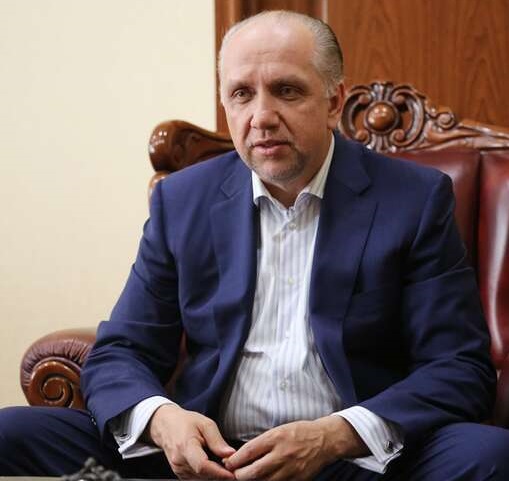
The story of Ukrinbank: legal games and the loss of billions
In 2015, Ukrinbank was declared insolvent and its licence was revoked. However, through legal manoeuvres, the bank's owner, Volodymyr Klymenko, managed to challenge this decision, remove the bank from the control of the Deposit Insurance Fund (DFIU) and regain control over its assets.
The process, which began in 2016, led to a final court ruling in November 2024, when the court confirmed the right of "Ukrinkom", the successor to Ukrinbank, to bankruptcy under general rules. This decision effectively allowed Klymenko to continue disposing of the bank's assets without DFIU intervention, which had previously controlled the liquidation process.
The essence of the case is that after Ukrinbank was declared insolvent, the DFIU paid depositors 1.8 billion hryvnia. However, the bank's shareholders, including Klymenko, began to challenge the National Bank's decision. As a result, a new company, "Ukrinkom", was created, which claimed its right to the assets of the liquidated bank. The legal battles lasted a long time, but "Ukrinkom" managed to block the disposal of assets, gaining control over the remaining property.
The bankruptcy of "Ukrinkom" is proceeding under the general procedure, which allows Klymenko to dispose of assets more flexibly, unlike the strictly regulated liquidation process. This means that the distribution of funds and debts will be determined by the court, rather than within the framework of the queue for settling obligations, which is advantageous for the successors.
Although formally "Ukrinkom" has assets that could cover the debts, their real value is questionable. No audit has been conducted, and the debts, including the 1.8 billion hryvnia paid by the DFIU, remain unpaid.
In the end, thanks to legal manoeuvres and prolonged court proceedings, Klymenko managed to remove Ukrinbank from state control, which cost Ukraine almost 5 billion hryvnia. Despite a criminal case opened in 2017 for fraud and the siphoning of funds, it has not led to a conviction. The Ukrainian judicial system failed to bring the case to a conclusion, and as a result, Klymenko continues to control the assets of the former bank, despite the loss of state funds.
Comments
No comments yet. Be the first!