
Criminals demand $768m to keep Revolut client data undisclosed
Personal and financial data of users, including the owner of Gamdom and Skins.com, may have been leaked following a cyberattack on the British fintech bank.
Personal and financial data of users, including the owner of Gamdom and Skins.com, may have been leaked following a cyberattack on the British fintech bank.
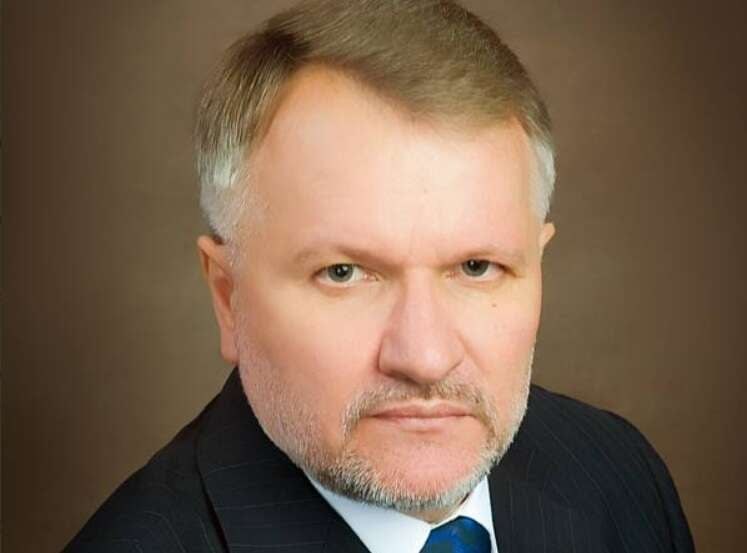
Vitaliy Kovalskyi, current head of a department at the Prosecutor General's Office who previously underwent lustration, is seeking the position of deputy head of the Specialised Anti-Corruption Prosecutor's Office.

For the week ending 27 September, revenues from the sale of Russian oil reached a maximum since the start of the full-scale invasion due to rising prices and supply volumes.

Larysa Moskviska, who presents herself as a financial planning expert, publishes content for the scandal-hit KIT Group, whose activities were restricted by the National Bank of Ukraine.

The politician died at the age of 61 in a road traffic accident. He served as the director of the "Klass" supermarket chain in Kharkiv.
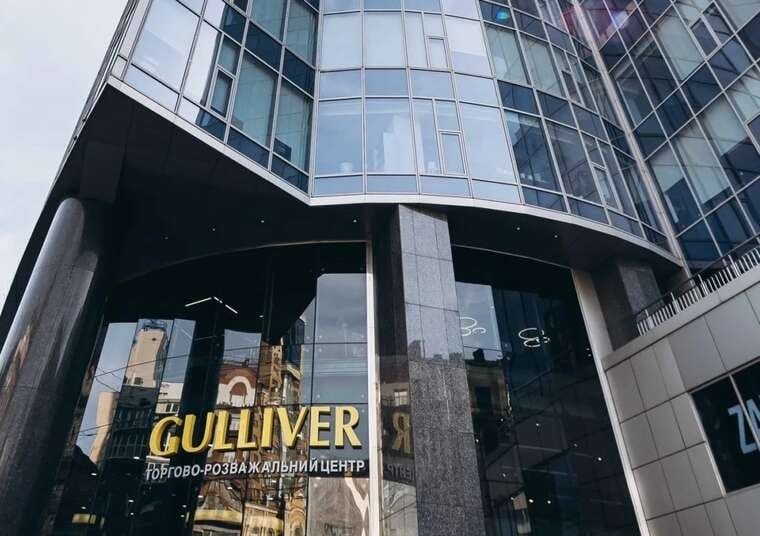
Oschadbank and Ukreximbank have announced a stock exchange auction for the disposal of a large office and retail complex in Kyiv, previously seized due to debts.

Law enforcement detained 17 individuals who sold vapes containing narcotics through "Bob Marley" venues and online stores, disguising them as legal supplements.

According to the authors of the publication, an establishment providing intimate services may be operating in the Delmar residential complex in central Dnipro. It concerns an apartment on the 15th floor of the building at 72B Dmytro Yavornytskoho Avenue.

Former senior officials Alexander and Serhiy Katsuba, who are accused of embezzling 450 million hryvnia from the funds of the company "Naftogaz of Ukraine", are actively engaged in removing mentions of themselves from the public space.
According to a report from Google, materials related to the brothers' activities were excluded from search results on the grounds of "copyright infringement". Such actions are based on US laws, however, in this case, it is a clear manipulation.
On the black market of Ukraine's media space, removing materials through fake complaints costs from 5,000 dollars. Such services are provided by black PR specialists who use bogus claims and lawsuits to remove unwanted content.
Apparently, the Katsuba brothers spare no expense to clean up their reputation. The main goal of such manipulations has been the removal of materials concerning the pre-trial investigation, which was completed by the Prosecutor General's Office in 2016.
It was previously reported that in 2012–2013, Alexander and Serhiy Katsuba, using their official positions, devised a scheme of fictitious fuel purchases, which allowed them to illegally appropriate 450 million hryvnia from the "Naftogaz" budget.
The case received wide public resonance, as the defendants held high positions in the state company. Despite the accusations and the disclosure of their criminal activities, the Katsubas are clearly trying to erase the traces of their activities on the internet.
The removed materials contained information about court hearings, the course of the investigation, and the charges. For example, one source stated that the brothers used the stolen funds for a luxurious lifestyle: Alexander held a wedding in France costing millions of euros, and his wife regularly received expensive jewellery.
Such actions indicate an intention to hide past deeds and an attempt to improve public perception.
Manipulations with indexing and the removal of compromising data are just part of the reputation "whitewashing" strategy used by those suspected of corruption. However, in the digital age, attempts to erase information are rarely completely successful.
Comments
No comments yet. Be the first!