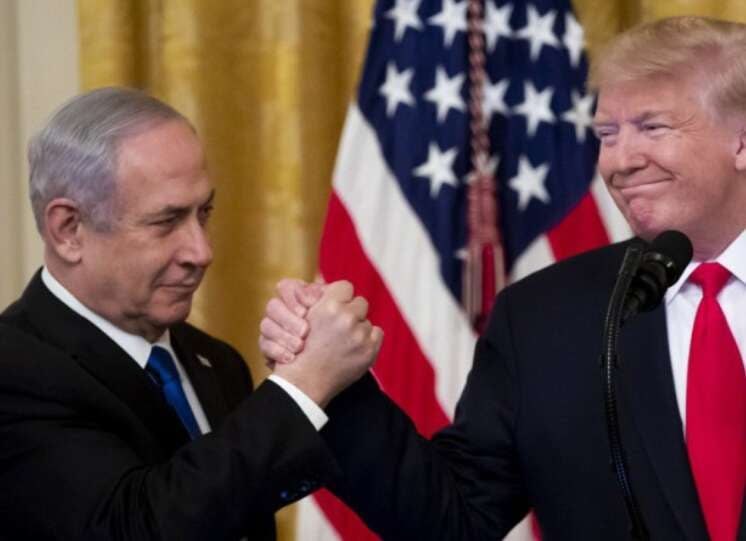
Trump declares support for Netanyahu ahead of Israeli elections
The US President stated on Truth Social that a change of leadership in Israel would force Washington to confront Iran alone.
The US President stated on Truth Social that a change of leadership in Israel would force Washington to confront Iran alone.
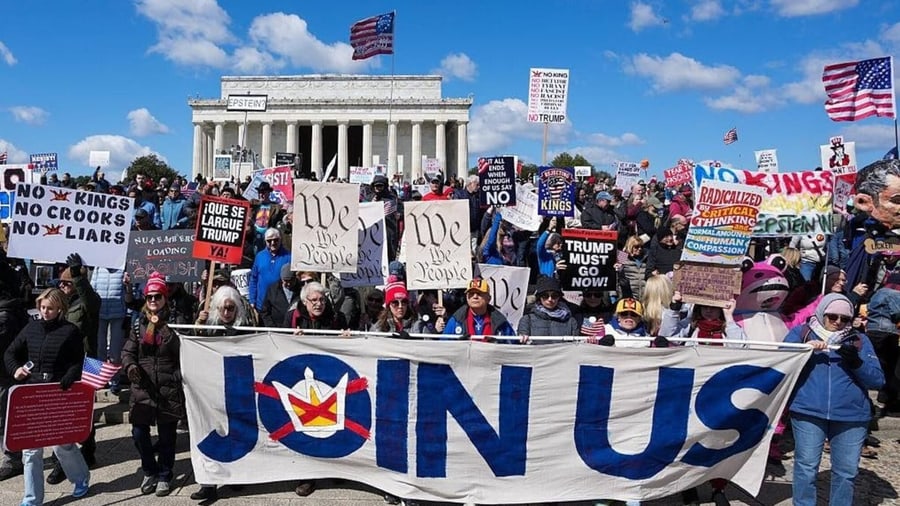
On 17 October, mass No Kings movement events took place in the US to encourage early voting in the key midterms that will determine control of Congress.
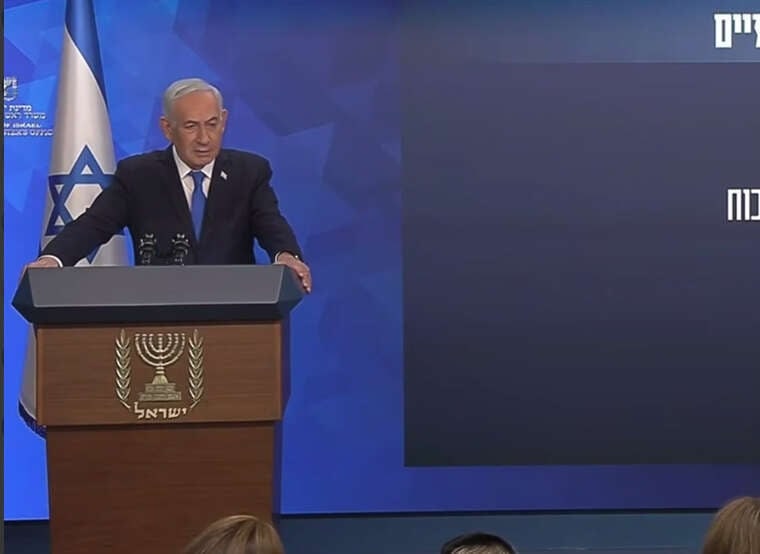
The Israeli leader stated that the number of online messages hostile to Ukraine decreased following a strike on the Russian Yandex.
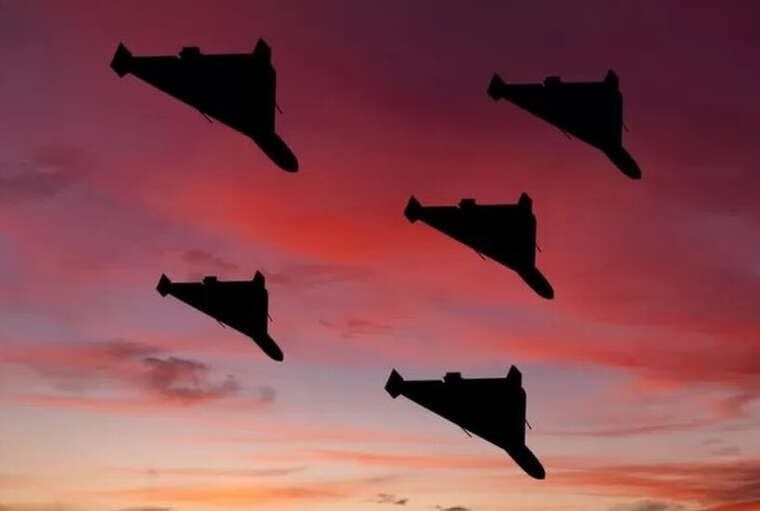
US intelligence has recorded 24 missiles on launch sites and the preparation of strategic aviation for a possible strike on critical infrastructure.
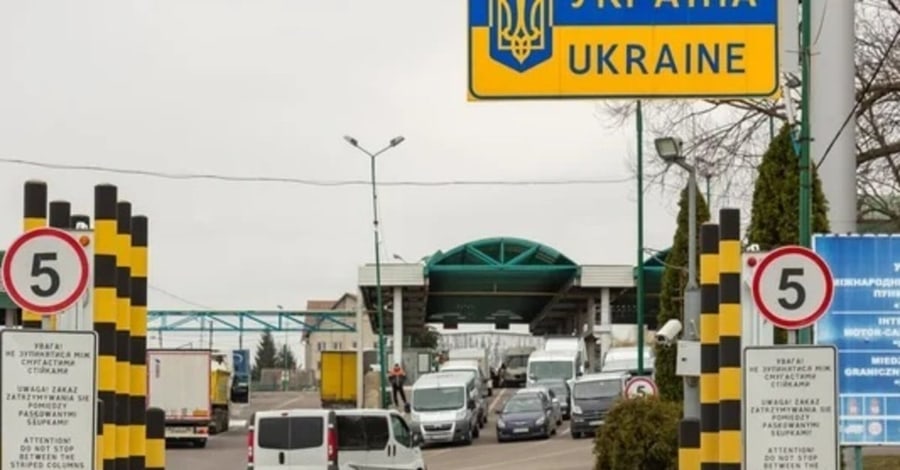
Significant vehicle queues have formed on the exit from Ukraine in Lviv Oblast ahead of the weekend. Border guards have published current traffic statistics and advice for travellers.
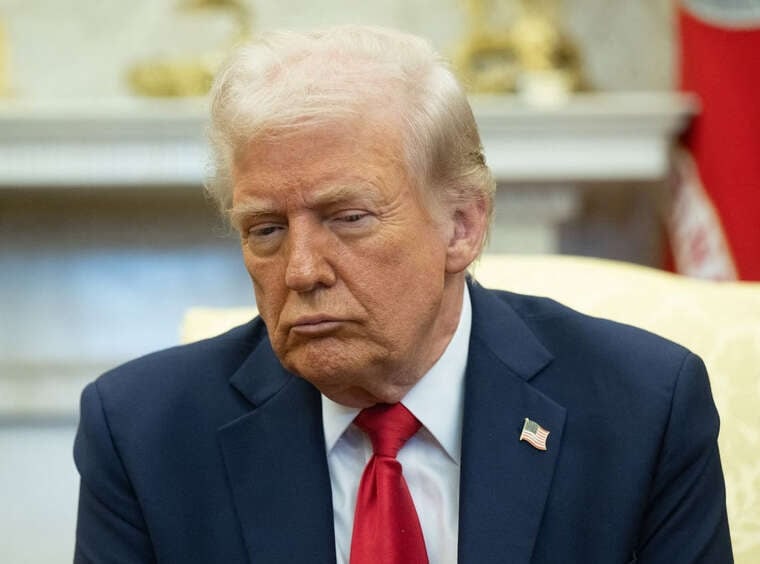
The New York Times columnist notes that even gaining a majority in the chambers of Congress will not give the opposition significant tools to limit the powers of the US President.
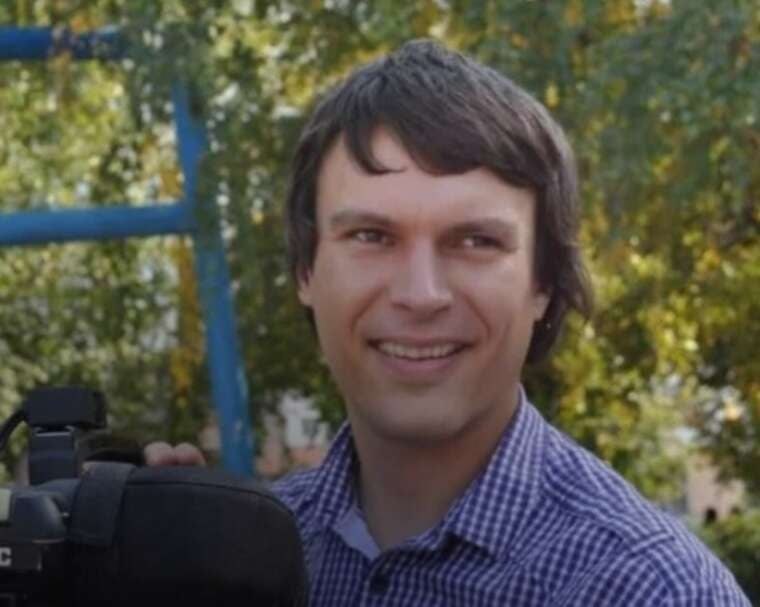
IRT television channel reported the death of its former employee, Vasyl Velychko, who was killed on 16 October while fulfilling his duties as a defender.

Colonel Ivan Karpovych was appointed head of the Zakarpattia regional TCC three days after raids. Law enforcement are investigating cases of influence peddling, illegal deregistration and the fictitious mobilisation of hundreds of people.
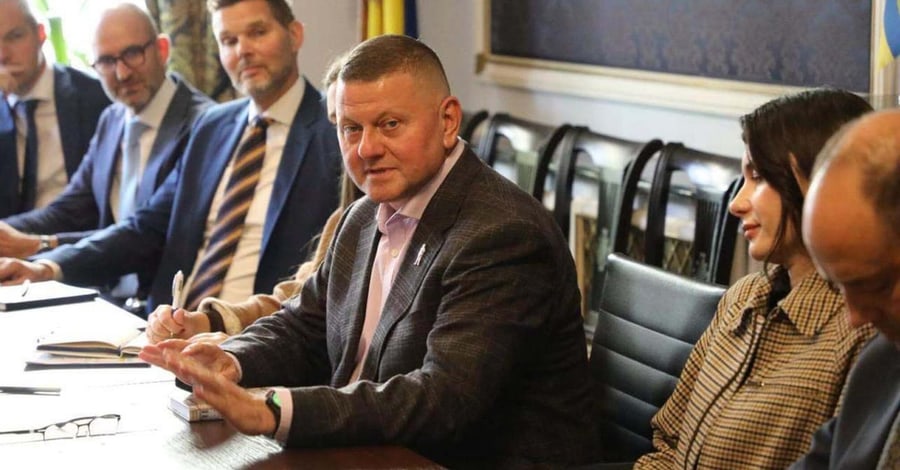
The international security system formed after the Second World War is undergoing significant transformations. While some states attempt to maintain the existing rules, Russia, China, and other countries dissatisfied with the current distribution of influence seek to change these rules to their advantage. In this context, Valerii Zaluzhny, speaking with officers from the Netherlands undergoing the Higher Defence Education programme, emphasised the critical need to modernise European defence.
According to Zaluzhny, existing defence doctrines no longer correspond to the realities of modern combat. He stressed that changes must involve not only the adoption of new technologies but also the fundamental restructuring of tactics, the integration of unmanned systems into the structure of the armed forces, and the creation of new production capacities.
One of the key obstacles to reform identified by Zaluzhny is the inertia of the traditional defence industry. Weapons manufacturers often have multi-million-dollar contracts calculated for many years ahead, which complicates a rapid transition to the latest technological solutions.
The mass use of relatively cheap drones radically changes approaches to conducting combat operations, requiring a rethinking of traditional procurement and production models. However, technological renewal is not enough: it is also necessary to reform military organisation, the personnel training system, and the principles of applying new means on the battlefield.
Among the serious challenges for Europe, Zaluzhny cited a shortage of human resources, especially for small states that do not have significant mobilisation potential. Under such conditions, he believes that the implementation of defence technologies and smart mobilisation become important. Modern means of waging war can increase the effectiveness of troops, but they require proper training, organisational changes, and systemic support.
Ukraine, having practical experience in countering Russian aggression, can play an important role in shaping the new European security system. Zaluzhny emphasised that Europe has the necessary resources and technologies, and cooperation with Ukraine opens up opportunities for creating an effective defence system capable of responding to modern threats.
Journalist Roman Bochkala supported Valerii Zaluzhny's theses but added an important caveat. He noted that European political and financial elites are aware of the scale of the challenges but may hope that the main costs and risks can be shifted onto others.
«Впевнений, європейські політичні та фінансові “old money" еліти все чудово усвідомлюють. Але, як завжди, сподіваються, що пронесе. І весь тягар “епохи змін" ляже на чиїсь інші плечі. До прикладу, на українські. Та хай навіть і на “східний натівський фланг"» (I am confident that European political and financial "old money" elites are fully aware of everything. But, as always, they hope it will pass. And the entire burden of the "era of change" will fall on someone else's shoulders. For example, on the Ukrainian ones. Or even on the "eastern NATO flank"), Bochkala stated.
In his opinion, one of Ukraine's main tasks in interacting with Western partners should be conveying the idea that it is impossible to avoid the consequences of global changes. Bochkala also emphasised that European countries have enough levers to increase economic pressure on Russia, but this requires political resolve.
Valerii Zaluzhny emphasises that the main prerequisite for the transformation of European defence must be political will for change. This requires clear goals, a strategy for achieving them, and a readiness to make decisions that will not always have broad public support.
Ukraine's experience of the modern war can become the basis for closer cooperation with European allies — from the development of unmanned systems to the restructuring of defence production and the improvement of military doctrines. The effectiveness of such changes will depend on whether European states are ready to move from recognising threats to concrete actions. Against the backdrop of Russian aggression, the issue of common security is increasingly going beyond national borders and becoming a strategic challenge for the entire European continent.
Comments
No comments yet. Be the first!