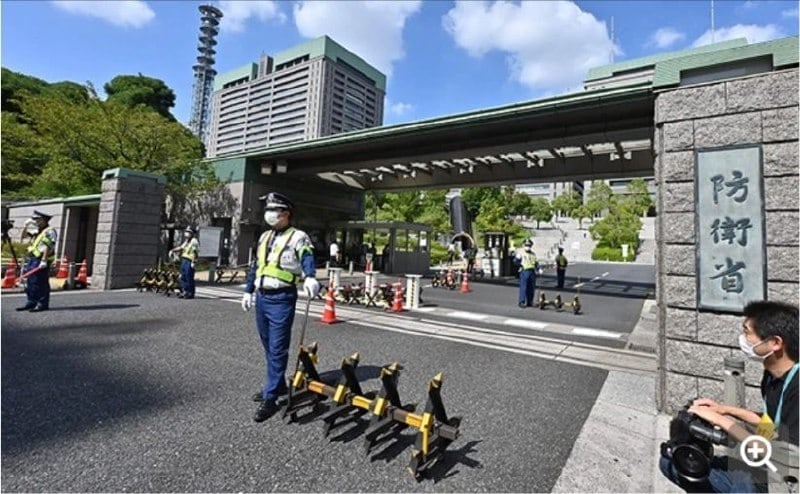
Japan prepares review of military strategy to ensure AI independence
Tokyo intends to strengthen its own technological capabilities in the military sector to reduce the risks of dependence on foreign artificial intelligence suppliers.
Tokyo intends to strengthen its own technological capabilities in the military sector to reduce the risks of dependence on foreign artificial intelligence suppliers.

Kyiv City Council deputy from the European Solidarity party stated that he was transferred to a lower position in an airborne assault battalion immediately after publishing a video criticising the authorities, and that the Military Counterintelligence Service…
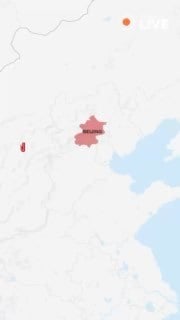
Strict restrictions on unmanned aerial vehicles have been introduced in China's capital following a skyscraper accident. Violators face fines and equipment confiscation.
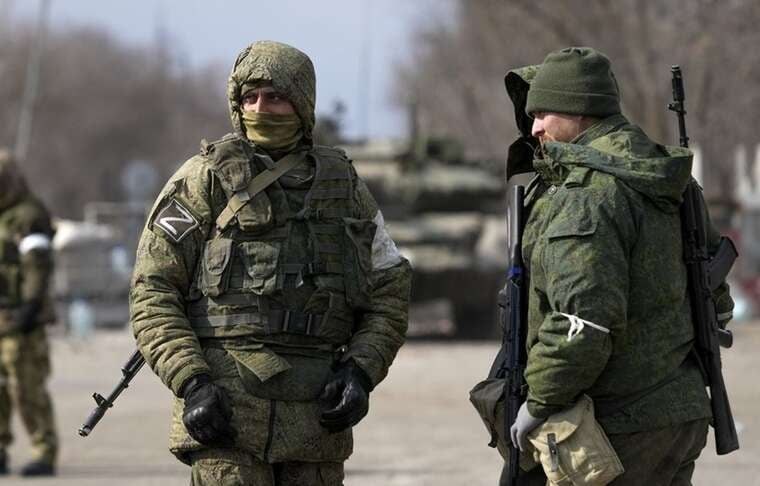
Commander of the 413th Battalion of the Ukrainian Armed Forces reported that relatives of occupiers call the combat zone the "Bermuda Abyss" and demand a halt to the destruction of their loved ones.
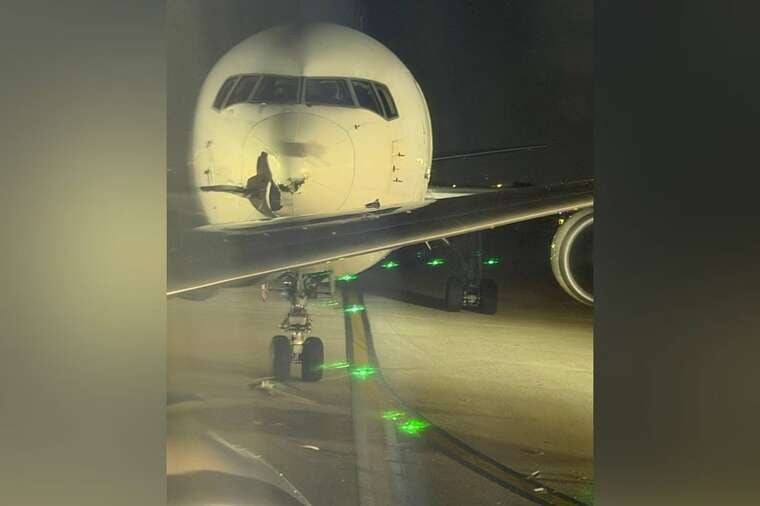
During taxiing at Miami airport, the wing of a Copa Airlines aircraft struck the nose of a UPS cargo plane. Two people sustained minor injuries, and an investigation has been launched.
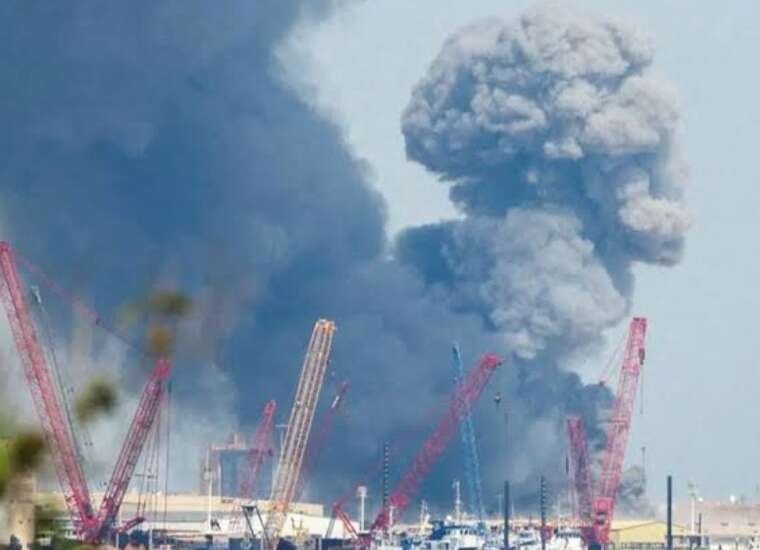
Tehran announced the launch of six drones at a military facility in Bahrain, calling it a response to aggression. Iran's parliament is ready for negotiations, but only on condition its demands are met.

Oleh Syniehubov reported damage to infrastructure and private houses in several districts of the region following the enemy's massive use of various types of weapons.
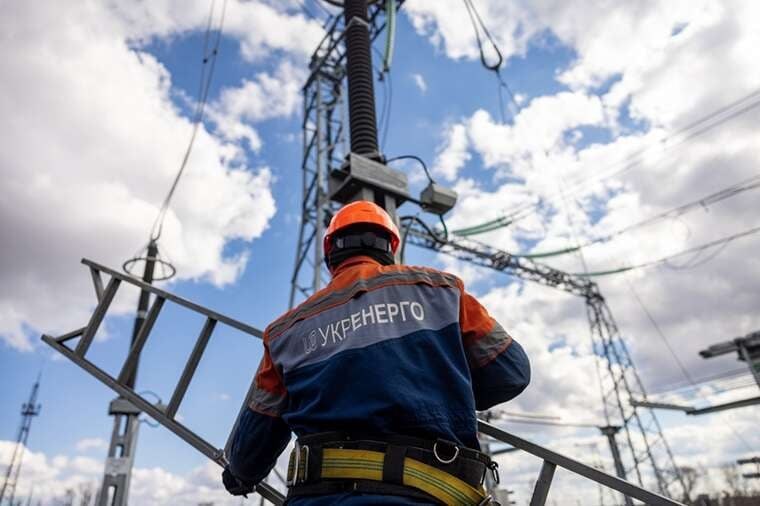
Russia's overnight strike on energy infrastructure caused power outages for 41,000 households in Odesa region.
Japan's defence agency plans to review its fundamental approaches to the use of artificial intelligence. The key objective of this step is the institutionalisation of the concept of "AI sovereignty". This term refers to a state's ability to independently manage critical AI systems, avoiding excessive reliance on specific foreign governments or commercial corporations.
Since foreign technologies are among the main candidates, Tokyo seeks to minimise the risks of external influence and interference.
As part of the planned changes, the introduction of a command and control system based on AI technologies is envisaged. The primary function of this tool will be to support the decision-making process of the Joint Operations Command. Plans also include the use of private cloud services for processing and storing information classified as highly confidential.
Despite technological progress, the Ministry of Defence does not intend to abandon the fundamental principle of mandatory human involvement in decision-making. The main focus of discussions will be on defining the limits to which artificial intelligence can accelerate the processes of operational management of the Self-Defence Forces.
The current policy, adopted in 2024, covered seven main areas, including unmanned systems and general command. However, due to the rapid pace of development of military AI, the government considers the existing regulations insufficient for current conditions.
Comments
No comments yet. Be the first!