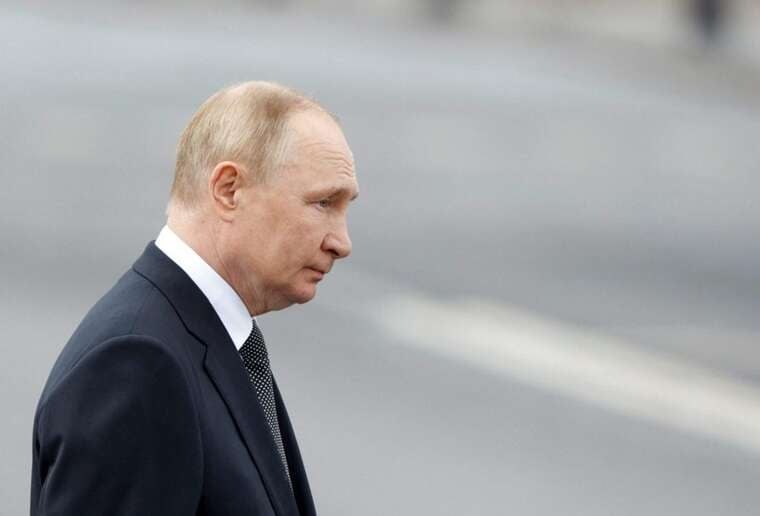
Russian leader Vladimir Putin signed a document transferring the Russian assets of the Japanese multinational corporation Japan Tobacco International (JTI) to state management. The company is one of the key players in the global tobacco products manufacturing market.
Which enterprises came under state control
According to the decree dated 5 November, JTI's shares in four Russian enterprises were transferred to the management of the company JSC "Industrial Assets". This concerns four factories employing approximately 4,000 people. These plants are responsible for producing approximately 40% of the cigarettes sold on the Russian market.
The list of objects transferred to state control includes:
- JTI Donskoy Tabak, located in Rostov-on-Don;
- the "Petro" factory in St Petersburg;
- the JTI Yelets production facility in Lipetsk region;
- the Kres Neva factory in Leningrad region.
History of JTI's presence in Russia
Japan Tobacco International has been operating in the Russian market since 1999. The company gained the status of the country's largest cigarette manufacturer in 2018 after acquiring the local producer "Donskoy Tabak". Over more than two decades of presence in the market, Japan Tobacco Group has invested approximately $4.6 billion in its Russian business.
Following the start of the full-scale Russian invasion of Ukraine in 2022, JTI did not withdraw its brands from the market or cease operations, but it suspended new investments in production and marketing campaigns. In Russia, the company manufactures cigarettes under international brands such as Winston, Glamour, Camel, LD, and Sobranie, as well as under local brands "Pyotr I", "Russkiy Stil", and "Donskoy Tabak".
Reactions and diplomatic tension
The Kremlin did not state the reasons for the decision in the decree itself. This is not the first case of transferring assets of foreign businesses that continued to operate in Russia after 2022 to the Russian side.
JTI stated that it is aware of the dictator's decree and is assessing the situation and possible further actions. Among the company's priorities, it cited the protection of the interests of stakeholders, primarily its employees.
The Japanese government has already protested to Russia through diplomatic channels and demands the reversal of the decision to transfer the assets. Japanese Finance Minister Satsuki Katayama emphasised that Tokyo consistently calls on Moscow not to violate the interests of Japanese citizens and companies.
These events are taking place against the backdrop of deteriorating relations between Moscow and Tokyo. Recently, Russian security services detained Japanese journalist Yuki Imai on suspicion of espionage, although the Japanese side rejected these accusations.



Comments
No comments yet. Be the first!