
Polish citizens raise over 4 million zloty for treatment of police officers injured in Krakow
Following the incident on Krakow's Main Market Square, Polish society actively supported two police officers who were injured while detaining a suspect.
Following the incident on Krakow's Main Market Square, Polish society actively supported two police officers who were injured while detaining a suspect.

President demands Prime Minister ensure stable operation of city transport and create bus reserve in case of metro or bridge failures.

Law enforcement officers in Khmelnytskyi identified and detained a resident who threatened passers-by with an explosive device. During the incident, the grenade detonated in his hands, causing him to be injured.

An internet theory suggests the president confused the UFC boss with a former Pentagon employee when making the appointment.
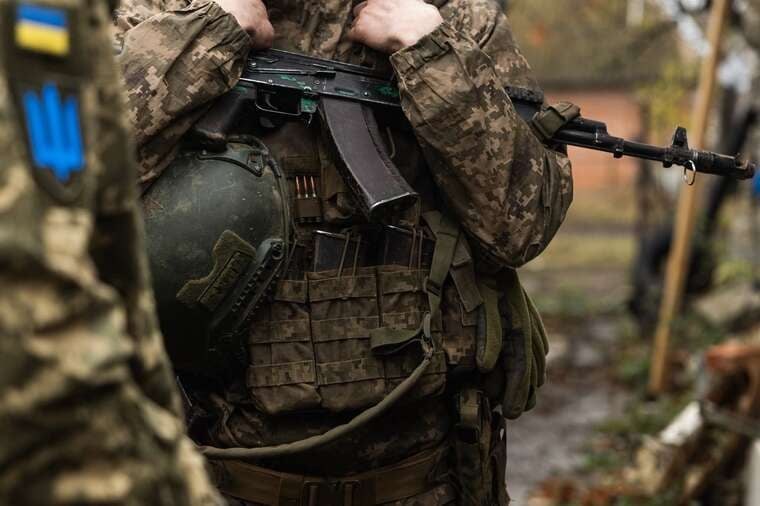
The 72nd Separate Mechanized Brigade named after the Black Zaporozhtsians published photos of its motorized infantrymen immediately after their rotation, which lasted several days.
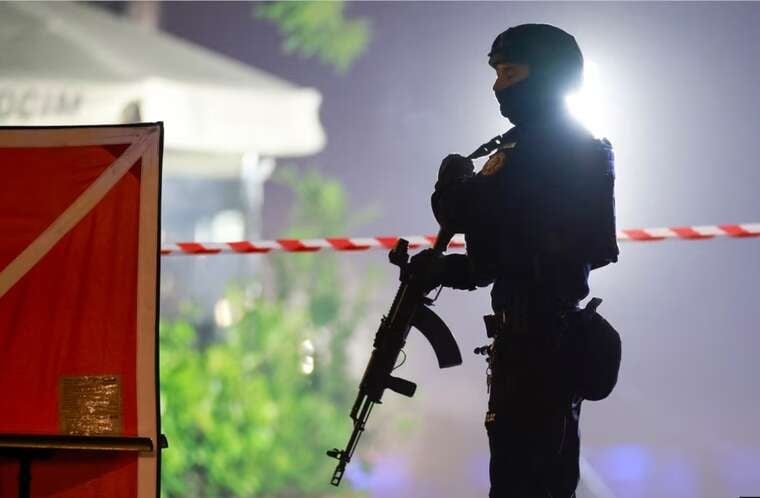
Lesser Poland Voivodeship Governor Krzysztof Klenczar stated that the 24-year-old man who carried out the attack in the city centre remains in hospital following overnight surgical interventions.
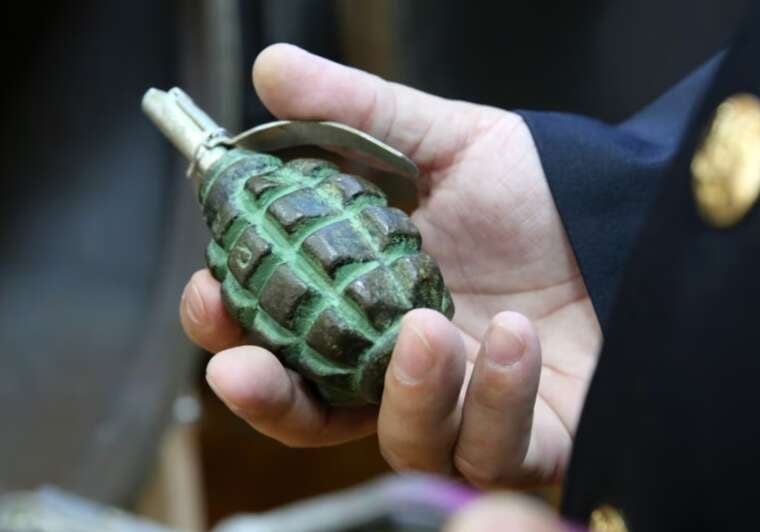
Law enforcement and special services are operating at the scene where an unidentified man is moving with an explosive device, threatening the safety of those around him.

Kyiv Mayor announced that the Northern Bridge will be opened to traffic following a technical inspection. Traffic will be organised under a new scheme with designated lanes.
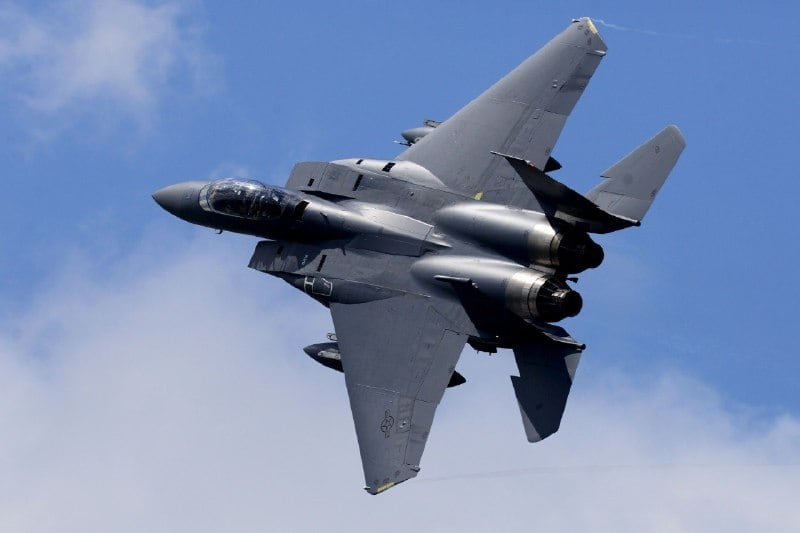
The United States Air Force (USAF) is demonstrating high adaptability to new threats, managing to equip F-15E Strike Eagle fighters with an effective and inexpensive counter-drone capability within days. This was announced by the head of the Air Force Test Center during the AFA Air, Space & Cyber Conference, which took place on 16 September in National Harbor (Maryland).
The increased use of Iranian unmanned aerial vehicles (UAVs) in recent conflicts forced USAF command to urgently seek a solution. Instead of using expensive missiles, pilots gained access to the Advanced Precision Kill Weapon System (APKWS). These are laser-guided missiles originally developed for strikes on ground targets, but they were modified for air combat.
As noted by Brigadier General Mark A. Massaro, after testing began in May of last year, the system was installed on operational F-15Es abroad within nine days. «Наприкінці першого тижня ми продемонстрували, як на етапі розробки, так і в бойових умовах, що це робоча здатність, і ми розгорнули її наприкінці цього тижня, — сказав Массаро. — Ми розгорнули цю здатність у театрі військових дій. Ми направили туди деяких наших техніків-обслуговувачів і тестувальників, щоб допомогти в перший тиждень» (By the end of the first week, we demonstrated, both in the development phase and in combat conditions, that this is a working capability, and we deployed it by the end of that week, Massaro said. We deployed this capability in the theatre of operations. We sent some of our maintainers and testers there to help in the first week).
The need for such a solution became evident after Iran's massive strike on Israel on 13 April 2024. At that time, Tehran launched approximately 300 drones, ballistic and cruise missiles, attempting to overload the air defence system. American F-15E fighters from the 335th and 494th Fighter Squadrons, as well as F-16s from the 121st Squadron, participated in intercepting targets over Iraq.
Since enemy Shahed drones are relatively cheap, using AIM-120 AMRAAM missiles (costing around $1 million each) or AIM-9 Sidewinders (ranging from hundreds of thousands to $500,000 for the latest AIM-9X version) against them proved economically unviable. APKWS missiles cost approximately $35,000, making them significantly more effective for countering massed UAV attacks.
The idea of using APKWS in air combat is not new. As early as 2019, the USAF tested this on F-16 Fighting Falcons, but at the time it was considered only a proof of concept. The situation changed with the proliferation of Iranian drones. In 2024, the priority was equipping F-16s, and in 2025 — F-15Es.
Work on integrating the system onto the F-15E was carried out at Eglin Air Force Base (Florida) under the leadership of the Air Force Seek Eagle Office (AFSEO) at the 96th Test Wing. «Це був дуже інтегрований підхід до тестування, що поєднував оперативну та розробничу складові, — розповів Массаро. — Ми виконували місії в один і той самий день, літаючи разом. У другий тиждень, коли наші техніки та пілоти були в театрі дій, наші оперативні тестувальники ще вдосконалювали тактику. Ми передавали оновлені тактики через телефон та цифрові засоби. І наприкінці другого тижня вони мали оновлену тактику, обладнання, усе було готово, і вони змогли дуже швидко почати його використовувати» (It was a very integrated approach to testing, combining operational and development components, Massaro said. We were flying missions on the same day, flying together. In the second week, when our maintainers and pilots were in the theatre of operations, our operational testers were still refining tactics. We were passing updated tactics via phone and digital means. And by the end of the second week, they had updated tactics, equipment, everything was ready, and they were able to start using it very quickly).
The system, designated AGR-20F FALCO, was first applied in the air-to-air variant on F-16s in 2024. In October of that year, the 480th Expeditionary Fighter Squadron from Spangdahlem Air Base (Germany) was deployed to the Middle East with a warning about being equipped with APKWS missiles.
«Перше знищення ракетою було оголошено незабаром до нашого прибуття. Це було щось нове та інноваційне, — згадав командир підрозділу підполковник Вільям «Скейт» Паркс (Lt. Col. William “Skate” Parks) у грудневому інтерв’ю 2025 року. — У нас ці ракети почали з’являтися. Це зовсім нова річ, і ми ті, хто її використовує. І це з хлопцями, які тепер витрачають кожну хвилину дня, коли вони не літають на реальних бойових місіях, на підготовку та вдосконалення цього. Це дало свої плоди, бо рівень успішності почав ставати просто неймовірним, коли ми захищаємо партнерів і наші власні сили» (The first missile kill was announced shortly before our arrival. It was something new and innovative, squadron commander Lieutenant Colonel William “Skate” Parks recalled in a December 2025 interview. These missiles started appearing for us. It is a completely new thing, and we are the ones using it. And it is with the guys who now spend every minute of the day, when they are not flying on real combat missions, preparing and refining this. It has borne fruit, because the success rate started becoming simply incredible when we are defending partners and our own forces).
The 480th Squadron made dozens of kills using these missiles. It also used older AIM-9M Sidewinder missiles, achieving the first air-to-air kill with this weapon in over 30 years, and a total tally of 108 air-to-air kills of drones and cruise missiles during the deployment.
By April 2025, US Air Forces in Europe had already included APKWS in the air combat training programme for F-16s. This helped accelerate the implementation of the system on F-15Es, as F-16s had already been flying with this weapon for about a year.
«Багато речей вже відбулися, — сказав Массаро. — F-16 уже інтегрував APKWS і літав із ним близько року, тому ми знали, як працює сама система. Ми мали цей досвід. F-15E — відома величина» (A lot of things have already happened, Massaro said. The F-16 had already integrated APKWS and had been flying with it for about a year, so we knew how the system itself works. We had that experience. The F-15E is a known quantity).
APKWS missiles are supplied in containers of seven, and up to 42 such missiles can be installed on an F-15E. To guide the target, it must be designated with a laser, which makes this weapon best suited for slow targets, such as suicide drones.
After the start of Operation Epic Fury on 28 February, Iran launched over 6,000 drones and 1,500 ballistic missiles, and these numbers are growing. F-16s operating in the area of the Strait of Hormuz, the Persian Gulf, and the Gulf of Oman, where Iran is attacking ships, including US Navy vessels, are using APKWS missiles to hunt drones. US Army Apache helicopters can also fire APKWS missiles in air-to-air mode.
Former commander of Air Forces Central, Lieutenant General Derek C. France, called the use of APKWS a key achievement during his tenure, which ended last month.
«З технічної точки зору, це "Хлопці, мені потрібно більше зброї на моєму літаку", і саме це дає вам APKWS: контейнер із сімома ракетами замість однієї AIM-9. Ви можете збити набагато більше дронів, коли вони приходять роями, — сказав Франс. — З оперативної точки зору, є не лише глибина магазину окремого літака, яким я турбуюся, але я турбуюся про глибину магазину всього театру дій, щоб переконатися, що по всьому театру у мене є крила з правильною зброєю в правильному місці, щоб підняти їх у повітря, де вони можуть захищати свої бази. ... Є також крива вартості, яка також є значною» (From a technical standpoint, it is "Guys, I need more weapons on my aircraft," and that is exactly what APKWS gives you: a container of seven missiles instead of one AIM-9. You can shoot down many more drones when they come in swarms, France said. From an operational standpoint, it is not just the magazine depth of a single aircraft that I worry about, but I worry about the magazine depth of the entire theatre of operations, to ensure that across the theatre I have wings with the right weapons in the right place to get them in the air where they can defend their bases. ... There is also a cost curve, which is also significant).
According to France, APKWS is a step in the right direction, but not the final one. «Дві речі, на яких нам потрібно зосередитися, — це обізнаність у повітряній сфері на відстані: звідки прилітають дрони? Їх багато? Яка їхня ціль? Що я про них знаю? А потім глибина магазину, як окремих літаків, так і театру в цілому, щоб мати достатньо засобів для їх знищення у багатошаровій системі оборони. Обидві ці речі важливі», — додав він (The two things we need to focus on are air situational awareness at range: where are the drones coming from? Are there many of them? What is their target? What do I know about them? And then magazine depth, both of individual aircraft and the theatre as a whole, to have enough means to destroy them in a multi-layered defence system. Both of these things are important, he added).
«Ця проблема з дронами не зникне. Вона прискорюється в тактиці, швидкості, вдосконаленнях і кількості. Саме в цьому напрямку ми рухаємося», — підсумував Франс (This drone problem will not go away. It is accelerating in tactics, speed, improvements, and quantity. That is the direction we are moving in, France concluded).
Comments
No comments yet. Be the first!