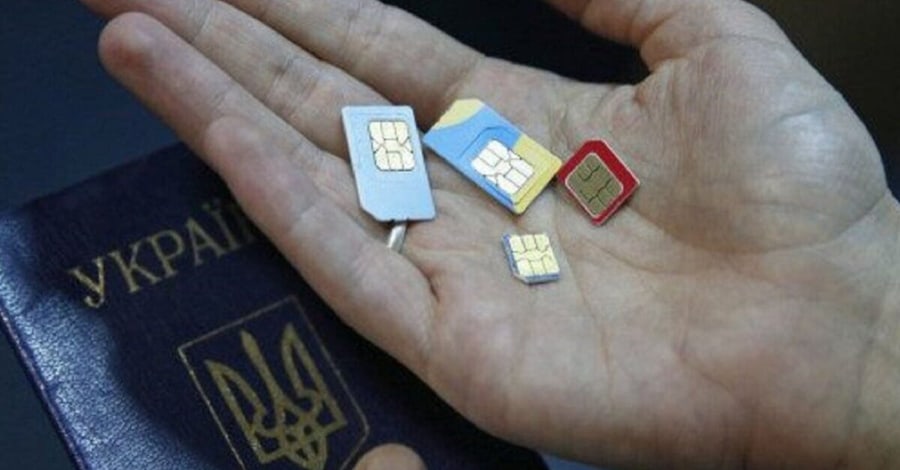
Ukraine discusses mandatory SIM card passportisation for all subscribers
Telecom expert Oleksandr Hlushchenko warns that linking numbers to passports may leave those who fail identification without connectivity.
Telecom expert Oleksandr Hlushchenko warns that linking numbers to passports may leave those who fail identification without connectivity.
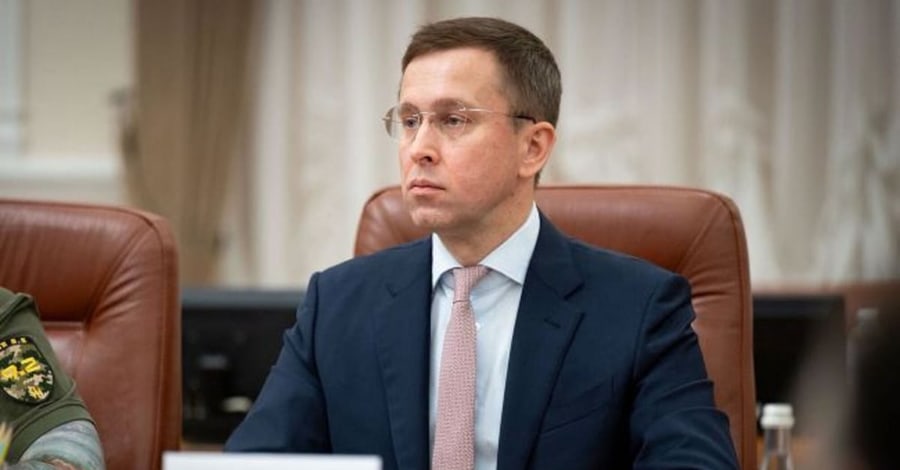
Prime Minister Serhiy Koretskyi announced the launch of a platform for reporting power, heat, and water outages.

Head of the Lesser Poland trade union Grzegorz Hubala reported that Jakub Kulik and Artur Morawski are feeling better after several surgical interventions.
Residents of the cities are cooking food over fires on their balconies, while generators are installed in their buildings.
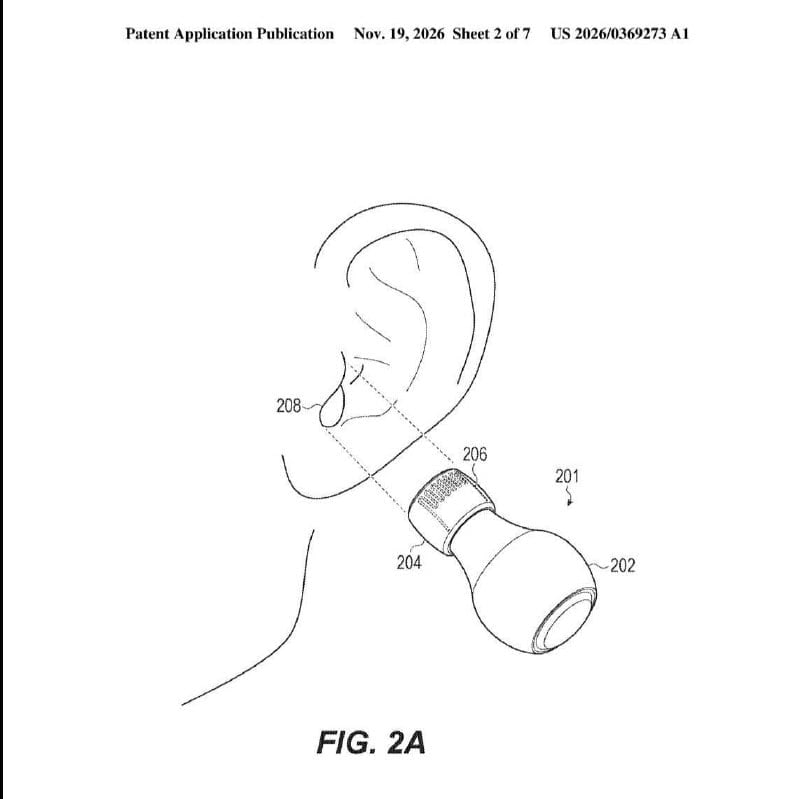
The technology relies on tracking movements inside the ear to convert silent speech into text or commands using AI.
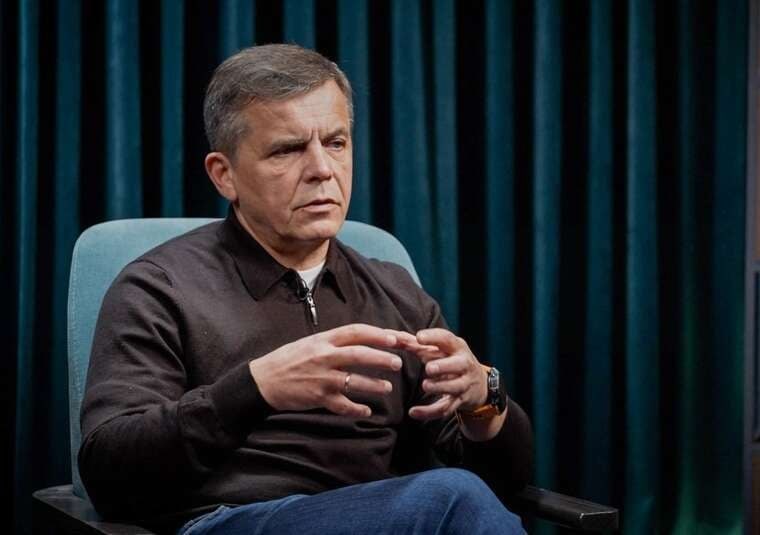
Former head of the Recovery Agency Serhiy Sukhomlyn does not rule out the introduction of rationing in water and heat supply due to a deficit in generation capacity.
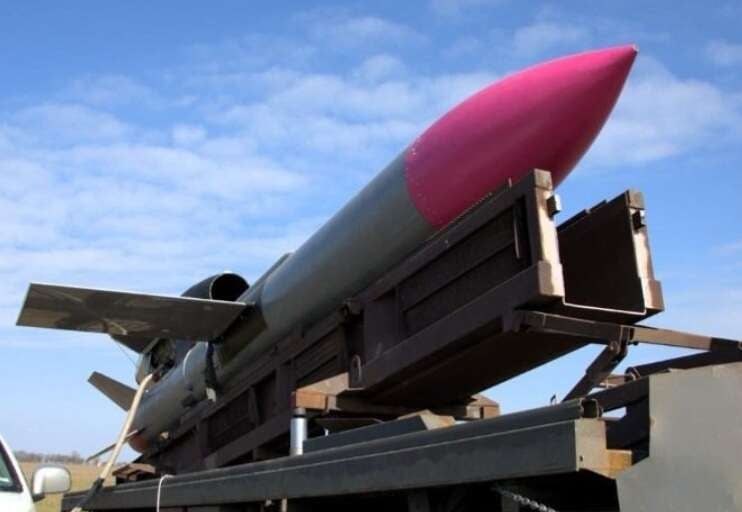
Volodymyr Zelensky and Khmara considered changing financial priorities in favour of Neptune missiles due to their higher effectiveness.

The Wall Street Journal reported that drone production in Ukraine will exceed 7 million units this year, while Neptune output will surpass US figures.
Former head of the Recovery Agency Serhiy Sukhomlyn stated that the implementation of water and sewage supply shutdown schedules is possible in Ukraine's capital. According to him, the situation may resemble the current power grid supply mode, where consumers live according to a shutdown schedule.
“Ми сьогодні живемо за графіками відключення електроенергії. Так само може працювати й постачання води — за графіками. Тоді ж працюватимуть і каналізація, злив і все інше” (We are currently living according to electricity shutdown schedules. Water supply could work the same way — according to schedules. Sewage, drainage, and everything else would also operate then), the expert emphasised.
Sukhomlyn recalled official information that Kyiv faced a shortage of 60 MW of generation capacity in the summer. He noted that he does not know whether additional equipment has been purchased and delivered by today.
At the same time, the expert assumed that the resources provided by the government should be sufficient to ensure water supply in the capital, at least in a rationing mode.
According to Sukhomlyn, the situation with heat supply is significantly more complicated. He explained that only some of the large Kyiv facilities that generate heat are equipped with their own water intake. The vast majority of networks require constant replenishment, as they experience significant losses. Without such replenishment, the pressure in the system drops.
The expert added that heat supply could also be organised on a schedule, but starting up boiler houses is a much more complex process than starting up pumping equipment. The key factor remains the air temperature. If it is not critically low, short-term warm-ups are possible. However, in a frost of minus 15 or minus 20 degrees, the time it takes for water in the systems to freeze changes, making the situation extremely difficult.
Comments
No comments yet. Be the first!