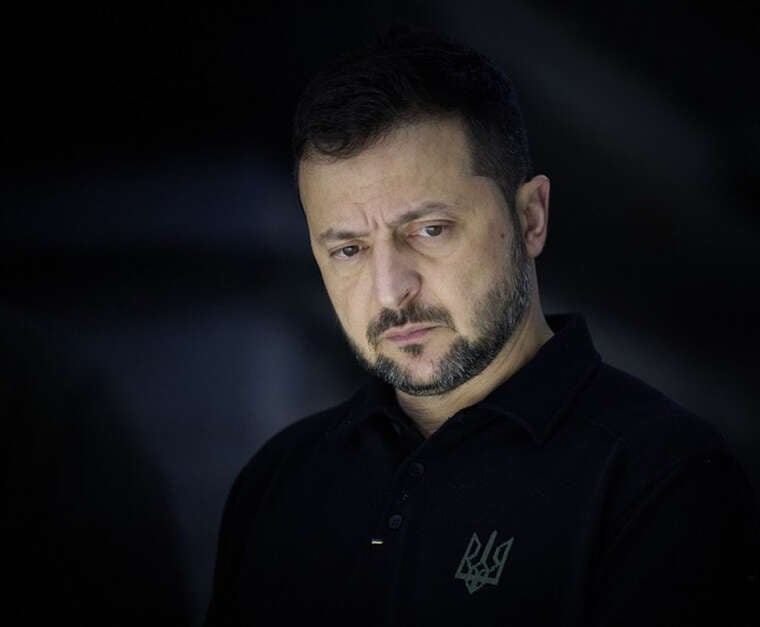
Zelensky and Willem-Alexander discuss peace initiatives and situation in Ukraine
The head of state told the Dutch monarch about the daily lives of Ukrainians during enemy attacks and current diplomatic steps.
The head of state told the Dutch monarch about the daily lives of Ukrainians during enemy attacks and current diplomatic steps.

Group I disability is assigned in the presence of critical impairments of vital activity. We examine which medical conditions and functional limitations serve as grounds for the indefinite establishment of status.

The UN Children's Fund will help capital families caring for children with disabilities prepare for winter utility outages.
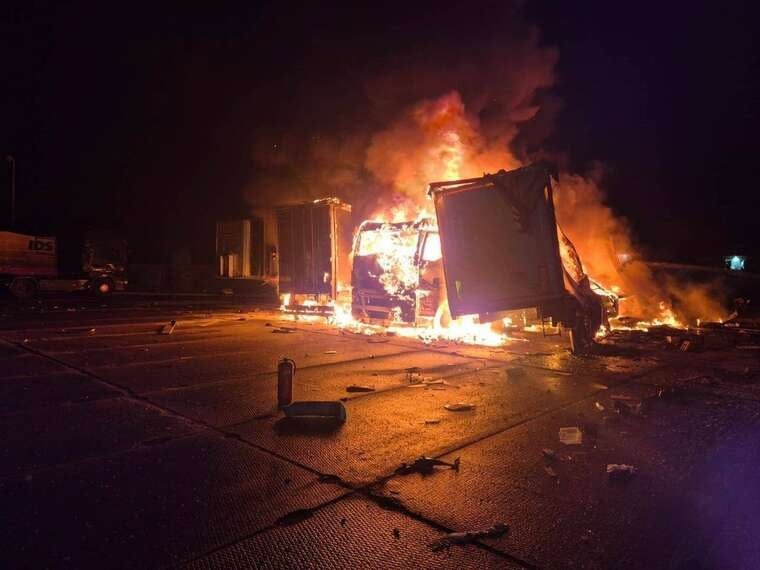
One person was killed following a Russian attack on an enterprise in Sarny district of Rivne Oblast.

Hryhoriy Mohylnyi claims that a golf centre has illegally fenced off a 0.2-hectare municipal plot. He argues that purchasing corporate rights turned the owners into lawbreakers.
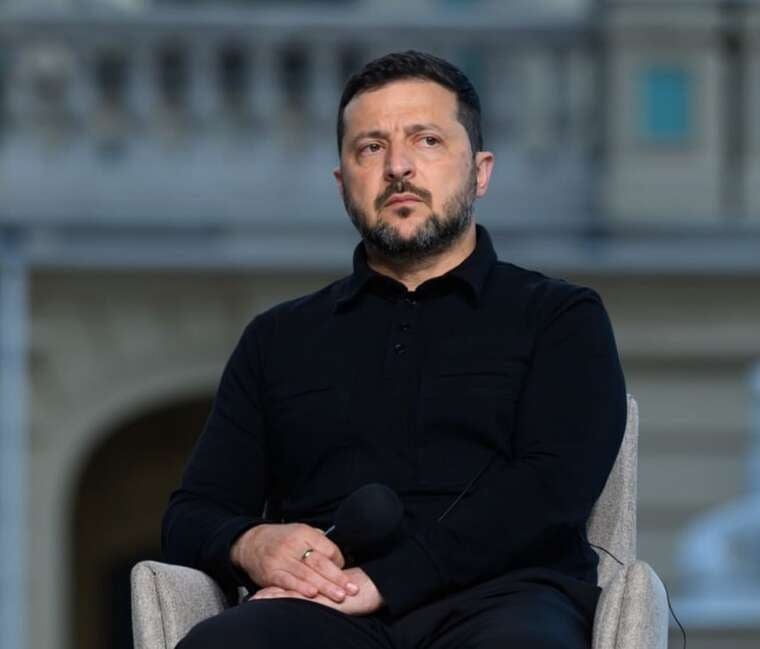
The Ukrainian Centre for Countering Disinformation stated that information about the purchase of 240 acres of land for $43 million is not confirmed by official sources.
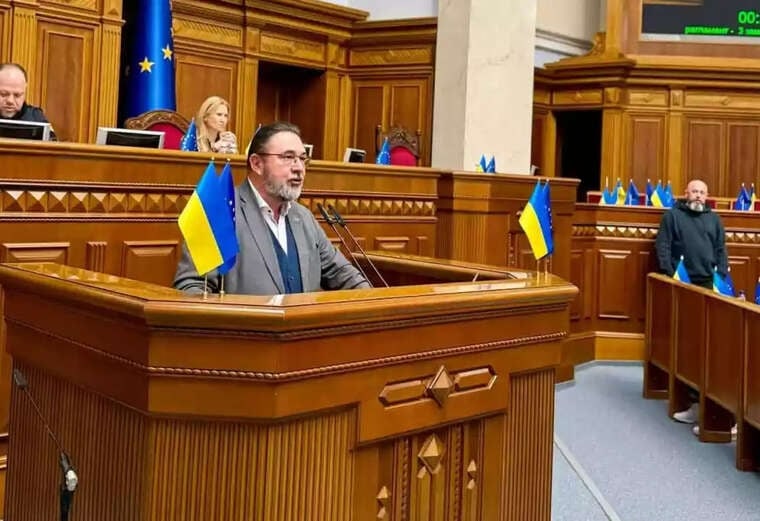
Mykita Poturaiev, who heads the committee on humanitarian and information policy, has taken up the post of President of the OSCE Parliamentary Assembly.

According to RBC-Ukraine sources, Ukrainian intelligence had no connection to the incident and would not conduct force operations on the territory of a partner state.

The capital's infrastructure is actively preparing for the cold season. A key priority remains the creation of a reserve heating system for the capital. Currently, the construction of six special boilers is underway in Kyiv, designed to be activated in the event of exceptional circumstances. The Recovery Agency is responsible for implementing this project.
Mykola Kalashnyk, Ukraine's Minister for Recovery, Infrastructure and Transport, provided details on the progress of the work. He emphasised that the goal of these measures is to guarantee uninterrupted heat supply to the capital's residents, even if the main generation sources are damaged.
«Завдання - забезпечити можливість подати тепло киянам у разі пошкодження основних джерел теплогенерації» (The task is to ensure the ability to supply heat to Kyiv residents in the event of damage to the main heat generation sources), Kalashnyk stressed.
According to published data, the level of preparation of Ukraine's housing and communal services sector and social infrastructure for the heating season has reached 98.6%.
Key aspects of winter preparation were discussed during a meeting of the State Committee on Technogenic and Ecological Safety and Emergency Situations. Three areas were at the centre of attention: ensuring communities with thermal energy, forming reserve capacities in Kyiv, and protecting drinking water supply systems.
Participants of the meeting analysed in detail the readiness of emergency brigades and municipal enterprises to respond promptly to potential emergencies. Particular attention was paid to the availability of necessary fuel stocks and equipment that would allow for the immediate restoration of damaged facilities.
A number of preparatory measures have been provided for the potential launch of these facilities under emergency conditions. These include technical inspection of the boilers, preparation for their connection to engineering networks, training of staff, and determining rules for further operation.
The stability of water utility operations became a separate important issue. Enterprises are preparing for possible damage to engineering networks or contamination of water sources. To this end, stocks of reagents required for enhanced purification are being formed, and reserve power supply systems are being ensured.
Representatives of the State Emergency Service reported on the current state of the civil defence system. The meeting also strengthened control over the implementation of previously adopted committee decisions.
It was previously reported that Kyiv continues to strengthen its energy resilience. The city has already prepared reserve equipment for water supply, heating, hospitals, educational and social institutions. Resilience points and drinking fountains capable of operating without centralised power supply have been provided for residents.
Comments
No comments yet. Be the first!